
April 30, 2026 (Pentagon News) – The War Department’s fiscal year 2027 budget proposal places a major emphasis on modernizing the U.S. nuclear triad, allocating tens of billions of dollars toward air, land, and sea-based strategic systems. The request, outlined by Secretary of War Pete Hegseth during testimony before the Senate Armed Services Committee, includes $71.4 billion for nuclear deterrence programs at a time of heightened global tension and an ongoing military campaign against Iran known as Operation Epic Fury.
Hegseth told lawmakers that the investment reflects the central importance of maintaining a credible nuclear deterrent. “[This budget] invests in it — $71 billion in our nuclear triad and [nuclear command, control and communications], understanding that if you get that wrong, you get everything else wrong,” he said, underscoring the administration’s view that strategic nuclear capability underpins broader military strength.
The secretary also pointed to Iran’s nuclear ambitions as a key example of why the United States continues to prioritize its deterrence posture. “Imagine what the situation in the region would look like if Iran also wielded a nuclear weapon — and the limits it would put on our capabilities in those situations,” Hegseth said. He added that adversaries are constrained by the existence of U.S. nuclear forces, describing the triad as a stabilizing factor in global conflict dynamics.
Within the air leg of the triad, the budget includes $6.1 billion for the B-21 Raider, a stealth bomber designed for both conventional and nuclear missions. First unveiled in 2023, the B-21 is intended to become a central platform for long-range strike capability, with the Air Force planning to procure at least 100 aircraft as part of its long-term modernization strategy.
The land-based deterrent receives $4.6 billion for the LGM-35 Sentinel program, which is set to replace the aging Minuteman III intercontinental ballistic missile system. The Sentinel initiative includes plans for 400 deployed missiles and 450 silos across multiple states, along with extensive infrastructure upgrades such as hardened facilities designed to support long-term operational resilience.
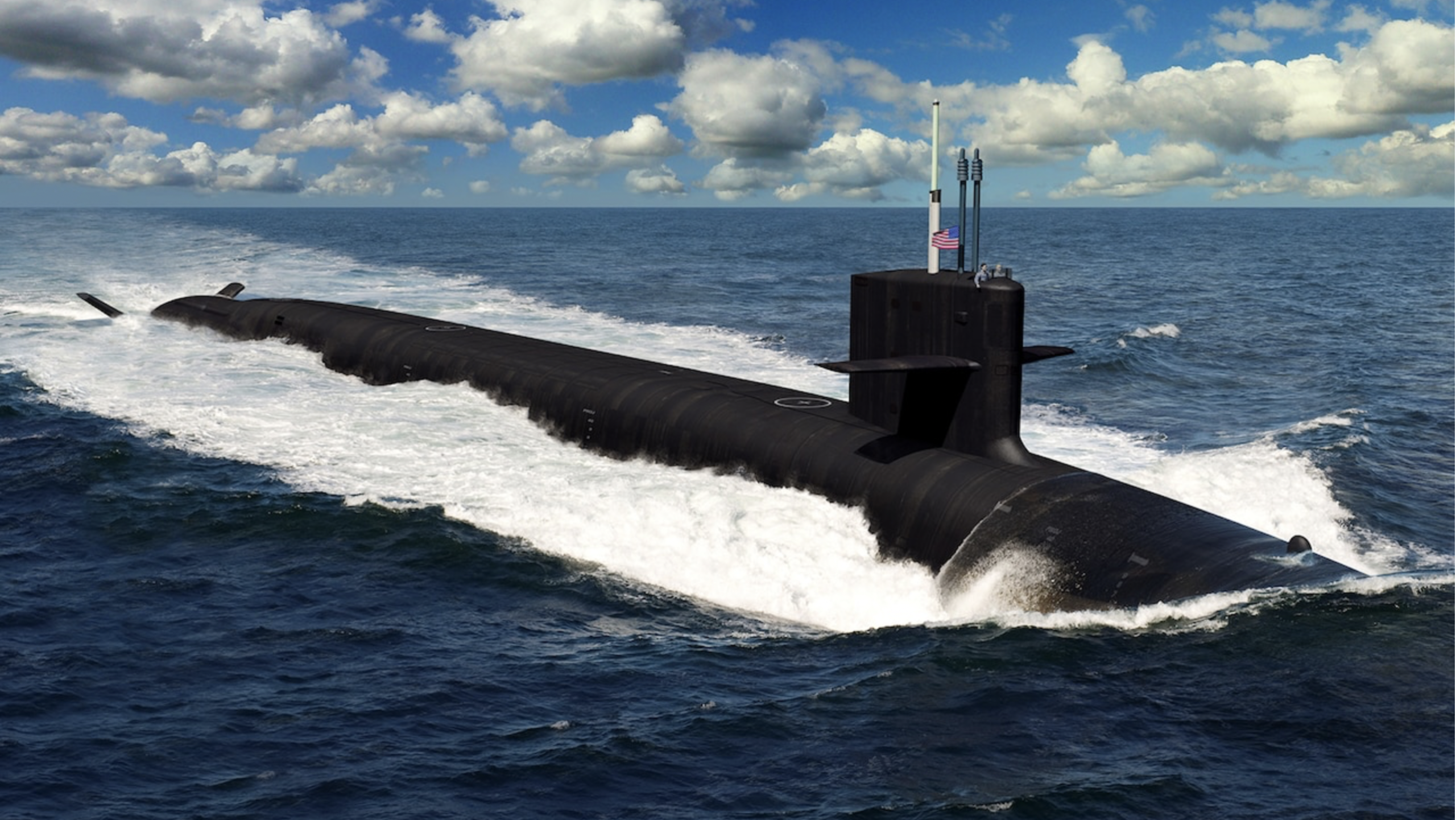
For the sea-based leg of the triad, the proposal allocates $16.2 billion to the Columbia-class ballistic missile submarine program. The next-generation submarines are intended to replace the Ohio-class fleet, with funding supporting continued development, procurement of additional vessels, and research and testing. The USS Groton is among the submarines under development as part of the program, which also includes broader investment in the industrial base supporting construction.
An additional $1.5 billion is designated for the long-range standoff cruise missile, which is intended to replace the bomber-delivered AGM-86B air-launched cruise missile. The program is part of a wider effort to ensure that airborne nuclear delivery systems remain modernized alongside submarine and land-based capabilities.
Beyond specific weapons systems, Hegseth emphasized that the budget reflects a broader effort to rebuild the U.S. defense industrial base. He said the War Department is focused on ensuring private industry can rapidly produce advanced weapons systems at scale, describing industrial capacity as essential to national defense.
“A nation’s ability to build, to innovate and to support critical needs of its warfighters at speed and at scale is the foundation upon which its deterrence and survival rests,” Hegseth told lawmakers. He added that years of underinvestment had weakened production capacity, but said recent policy shifts aim to reverse that trend and restore what he described as a wartime footing for defense manufacturing.
The nuclear modernization push comes amid Operation Epic Fury, an ongoing U.S. Central Command campaign against Iran that began on February 28, 2026, at the direction of the President of the United States. According to CENTCOM, the operation involves strikes on Iranian military infrastructure, including command-and-control facilities, missile and drone launch sites, and air defense systems, as part of efforts to dismantle what U.S. officials describe as a security apparatus posing an imminent threat.
CENTCOM has reported that the campaign includes the largest regional concentration of American military firepower in a generation, involving air, sea, and land assets such as bombers, stealth aircraft, naval vessels, missile defense systems, and drones. The provided operational summary states that precision strikes have targeted thousands of Iranian assets and that U.S. forces have defended against sustained missile and drone attacks, with minimal reported damage to U.S. installations.
The operation also underscores the strategic backdrop referenced in the budget discussions, as U.S. officials maintain that Iran must not obtain nuclear weapons capability while the United States simultaneously invests heavily in modernizing its own nuclear deterrent. While CENTCOM briefings have described extensive targeting of Iranian military leadership and infrastructure, including senior officials, such claims remain part of ongoing operational reporting and have not been independently verified in full detail.
Together, the budget proposal and the ongoing campaign illustrate a broader defense posture focused on deterrence, modernization, and sustained military pressure in the Middle East, as the War Department accelerates upgrades to all three legs of the nuclear triad while simultaneously engaging in active conflict operations in the region.