
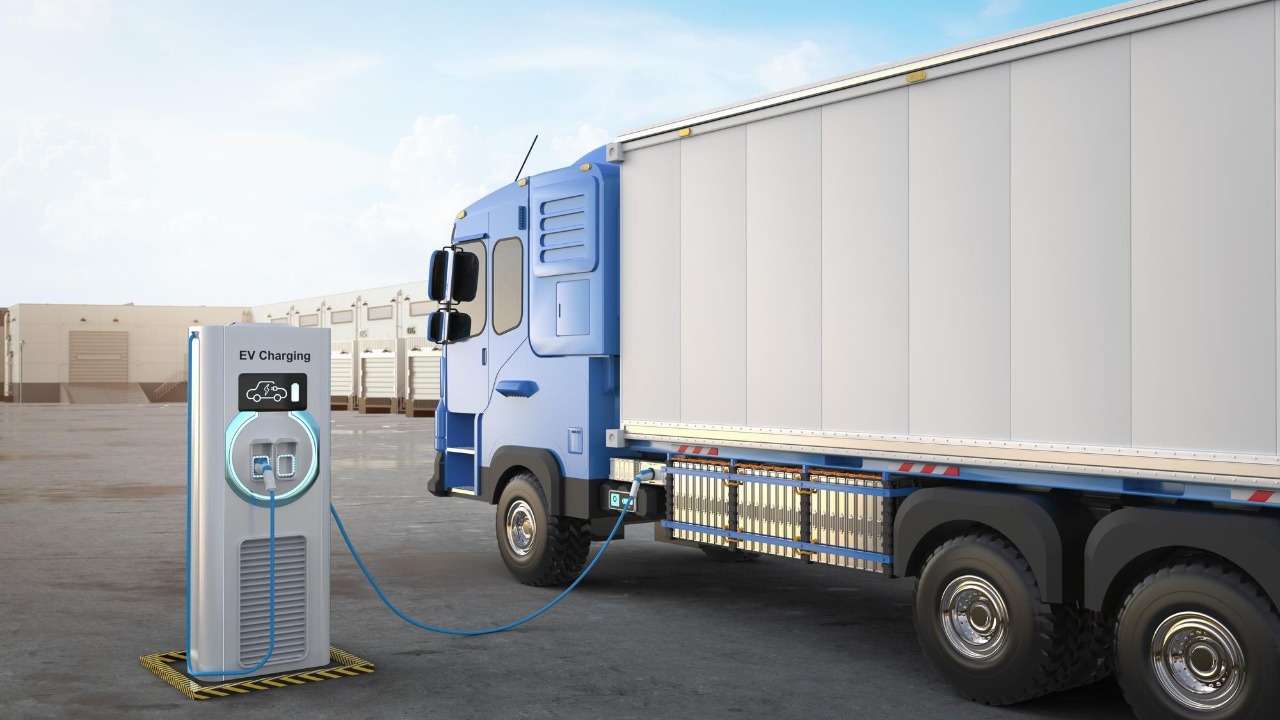
Volvo Trucks has quietly parked a new 14-tonne electric workhorse right in the middle of the urban logistics conversation, and it is aimed squarely at the stop‑start chaos of city streets. Instead of chasing record‑breaking range or drag‑strip acceleration, the latest Volvo FL Electric variant focuses on the unglamorous daily grind of parcels, pallets, and supermarket runs in crowded zones where noise and emissions rules are tightening fast.
The result is a medium‑duty truck that trades diesel clatter for a fully electric drivetrain, sized and specced for dense delivery routes rather than cross‑continent heroics. It is Volvo’s way of telling city operators that electrification is no longer a science project, it is a configurable tool that can be ordered, loaded, and dispatched like any other fleet staple.
Why a 14-tonne electric truck makes sense in the city
I see the 14‑tonne sweet spot as Volvo Trucks’ way of admitting that most city freight is less “epic road trip” and more “three blocks, twelve stops, repeat until driver questions life choices.” The new 14‑tonne gross combination weight version of the Volvo FL Electric is pitched exactly at that reality, giving operators enough payload for serious urban distribution without dragging around the mass and cost of a long‑haul rig. Reporting on the launch describes this model as a city‑focused “workhorse” with right‑sized battery options and wheelbases from 3,800 to 6,500 millimeters, a range that lets fleets tailor the truck to everything from parcel drops to supermarket replenishment in tight streets.
Instead of reinventing the truck from scratch, Volvo Trucks has extended its existing medium‑duty FL Electric line, which already covers 16‑ and 18‑tonne classes, by adding this lighter variant to the range. The company positions the new 14‑tonne FL Electric as a more accessible electric option, designed to meet urban transport and delivery requirements while still fitting into the broader Volvo Trucks lineup of battery‑electric models. That continuity matters for operators who want electrification without feeling like they are beta‑testing a one‑off science experiment.
Powertrain, batteries, and the numbers that actually matter
On paper, the new truck’s powertrain reads like a polite but firm message to diesel: “You have been replaced, please collect your belongings.” The electric motor is rated at 180 k, a figure that puts it comfortably in the territory needed for stop‑start city work with frequent acceleration from traffic lights and loading bays. That motor is paired with a fully electric drive system that has already been proven in earlier versions of The Volvo FL Electric, which emerged early in Volvo Trucks’ electrification strategy and quickly established itself as a go‑to option for urban operators.
Under the cab, the headline figure is a usable battery capacity of 145 k, which Volvo has equipped this 14‑tonne model with to balance range, weight, and cost for urban and regional logistics applications. The new batteries are not a one‑off either, They will also be retrofitted to several other electric models from Volvo Trucks and integrated into vehicles with a total vehicle weight of up to 27 tonnes. In practice, that means the same battery tech that powers this city‑focused FL Electric will underpin a broader family of trucks, giving fleets a common energy and maintenance backbone instead of a patchwork of incompatible systems.
Designed for tight streets, low noise, and fussy neighbors
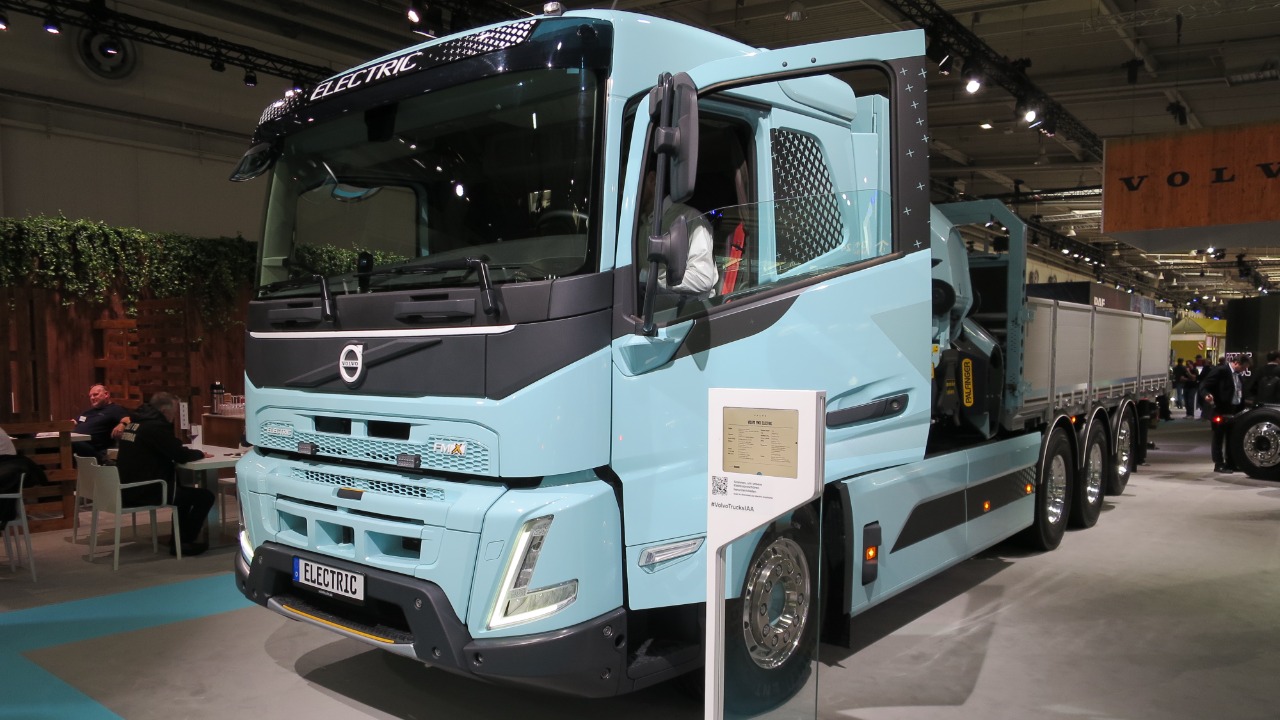
From a city planner’s perspective, the most interesting thing about the 14‑tonne FL Electric is not the spec sheet, it is the way the truck behaves in the urban ecosystem. The electric drivetrain minimizes operational noise, which is a polite way of saying it can sneak into residential streets for early‑morning deliveries without waking up half the postcode. Volvo Trucks explicitly frames the model as tailor‑made for inner‑city transport, highlighting that the low noise and zero tailpipe emissions make it suitable for low‑emission zones and time‑restricted delivery windows that would give a conventional diesel driver a headache.
The configuration options are equally tuned for city life. The 14‑tonne FL Electric is described as a Purpose, Built Solution for City Logistics, with Flexible Configurations that let operators choose wheelbase, body type, and battery setup to match specific routes. In practice, that might mean a shorter wheelbase and compact body for dense old‑town streets, or a longer chassis for supermarket runs that still stay within city limits. The Volvo FL Electric is already shown operating in city zones where low noise and emissions are essential, and this new variant simply extends that logic to operators who do not need the full 16‑ or 18‑tonne versions but still want a serious commercial tool.
How Volvo is selling electrification as a service, not a gamble
What really stands out to me is how Volvo Trucks is trying to make the leap to electric feel less like a cliff dive and more like a carefully supervised swimming lesson. In its electromobility product guide, the company spells out that it always begins with a thorough analysis of customer needs to tailor a complete solution that fits specific operations. That analysis covers routes, loads, charging patterns, and operational constraints, and it is paired with a promise to deliver THE TRUCK as part of a broader package rather than a standalone gadget dropped on the depot yard with a “good luck” note taped to the windshield.
This approach shows up clearly in how the 14‑tonne FL Electric is framed. The new variant is described as a practical, more accessible electric option, aimed at fleets that want to electrify urban delivery operations without over‑specifying on weight or battery capacity. Volvo Trucks Unveils the Tonne Volvo FL Electric as a Purpose, Built Solution for City Logistics, emphasizing that the truck slots into existing workflows instead of forcing operators to redesign their entire business around charging cables. The company’s broader electric truck lineup, sold globally, reinforces that message by presenting the FL Electric family as one piece of a scalable ecosystem rather than a niche experiment.
What this means for fleets, from pilots to full‑blown rollouts
For fleet managers, the 14‑tonne FL Electric is less a shiny toy and more a test of whether electric trucks can finally behave like normal assets on the balance sheet. The new gross combination weight variant is explicitly positioned as a way to provide a more accessible electric option, which suggests Volvo is targeting operators who may have hesitated at the cost and complexity of heavier electric trucks. By offering right‑sized batteries, multiple wheelbases, and a familiar FL platform, Volvo Trucks is effectively saying, “Start where your routes already are, not where a marketing brochure wishes they were.”
The ripple effects go beyond a single model. The fact that the upgraded batteries will be retrofitted across other electric trucks from Volvo Trucks signals a long‑term commitment to a shared technology base, which can simplify training, maintenance, and parts stocking for fleets that decide to scale up. At the same time, the broader Volvo ecosystem, from the main Volvo site to detailed electromobility guides, frames electrification as a managed transition rather than a one‑off purchase. For operators juggling low‑emission zones, noise restrictions, and rising fuel costs, a 14‑tonne electric truck that slots neatly into crowded city routes is not just a headline, it is a practical step toward making zero‑tailpipe logistics feel routine instead of radical.