
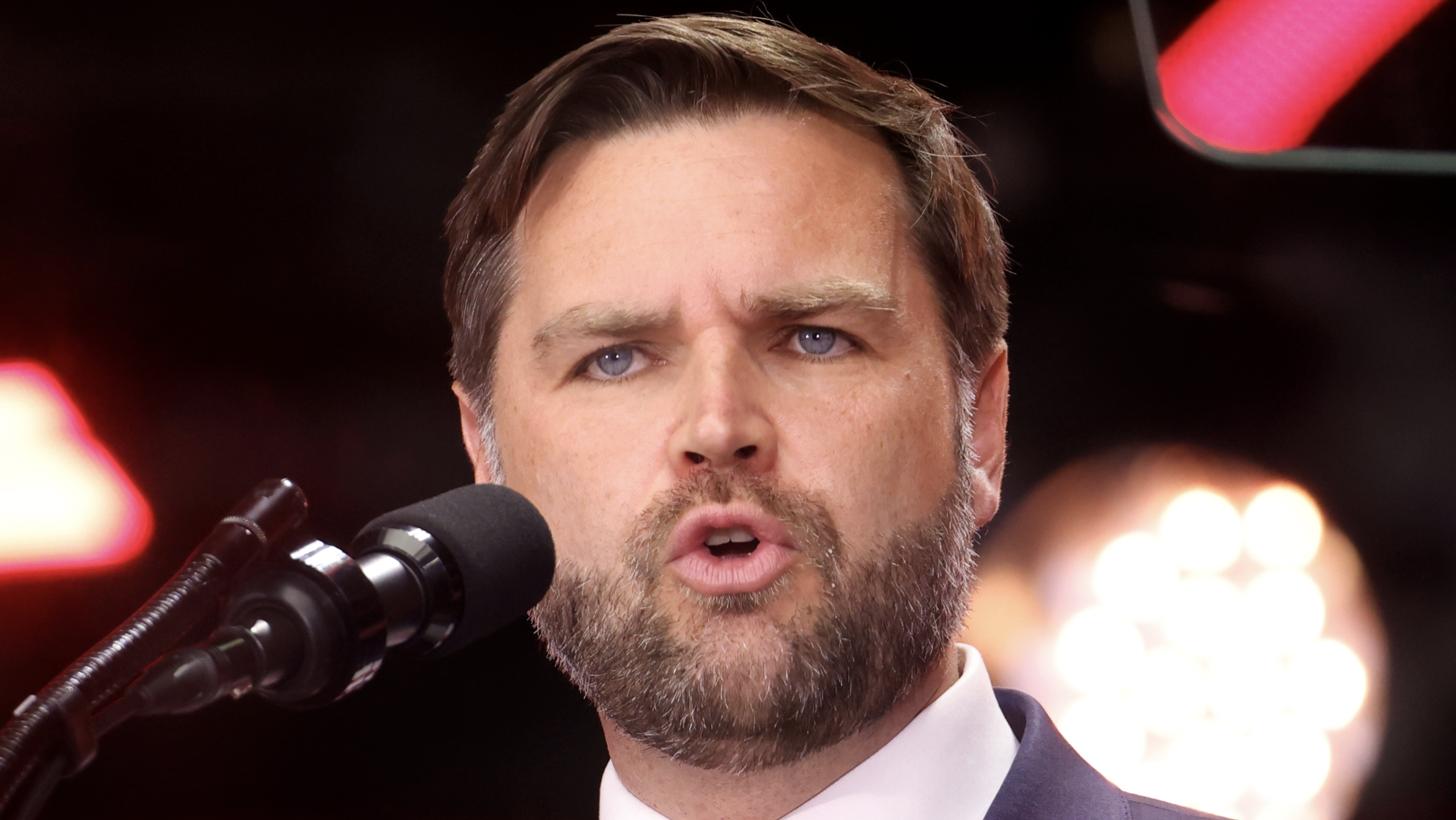
Vice President JD Vance used a Fox News interview on April 13, 2026, to defend the Trump administration’s escalating maritime pressure campaign against Iran, framing Iranian naval activity as economic coercion that justified a forceful U.S. response. Speaking with host Bret Baier, Vance addressed the developing U.S. naval blockade of the Strait of Hormuz, describing it as part of a broader strategy to counter Iranian actions at sea following failed negotiations in Pakistan.
Vance argued that Iran had been using maritime disruption as leverage by threatening shipping in one of the world’s most critical energy corridors. He said the United States was responding in kind, pointing to a policy of restricting Iranian maritime movement as economic pressure designed to force concessions. The broader context of the comments aligned with reporting that the U.S. had begun enforcing a blockade affecting vessels entering or leaving Iranian ports, a move that significantly raised global energy market concerns, according to contemporaneous coverage in The New York Times.
VANCE: What they have done is engage in this act of economic terrorism against the entire world. As the President showed, two can play at that game. pic.twitter.com/pd9HIdamV7
— Acyn (@Acyn) April 13, 2026
Central to Vance’s argument was the claim that Iran had already escalated economic pressure against global shipping and that the United States was responding proportionally. “When it comes to weapons of war, what they have done is engage in this act of economic terrorism against the entire world. They basically threatened any ship that’s moving through the Straits of Hormuz. As the President of the United States showed, two can play at that game. If the Iranians are going to try to engage in economic terrorism, we’re going to abide by a simple principle: no Iranian ships are getting out either. We know that’s a big deal to them. We know that applies additional economic leverage.” Vance said, adding that the objective was to apply economic leverage while continuing to pursue a negotiated outcome.
The remarks drew immediate political reaction. One widely circulated response came from commentator Ron Filipkowski, who wrote: “Vance admits that Trump’s blockade is an act of economic terrorism against the entire world.” The exchange highlighted sharp partisan disagreement over the legality and consequences of the maritime restrictions, which European governments reportedly declined to join even as the U.S. moved forward with enforcement measures.
Vance admits that Trump’s blockade is an act of economic terrorism against the entire world. https://t.co/E3zsCQx4Ep
— Ron Filipkowski (@RonFilipkowski) April 13, 2026
The interview came amid heightened tensions following stalled diplomacy and expanding military pressure under President Donald Trump. While Vance framed the blockade as leverage intended to bring Iran back to the negotiating table, the broader situation in the Strait of Hormuz continued to raise concerns about global oil flows, shipping security, and the risk of further escalation between Washington and Tehran.