
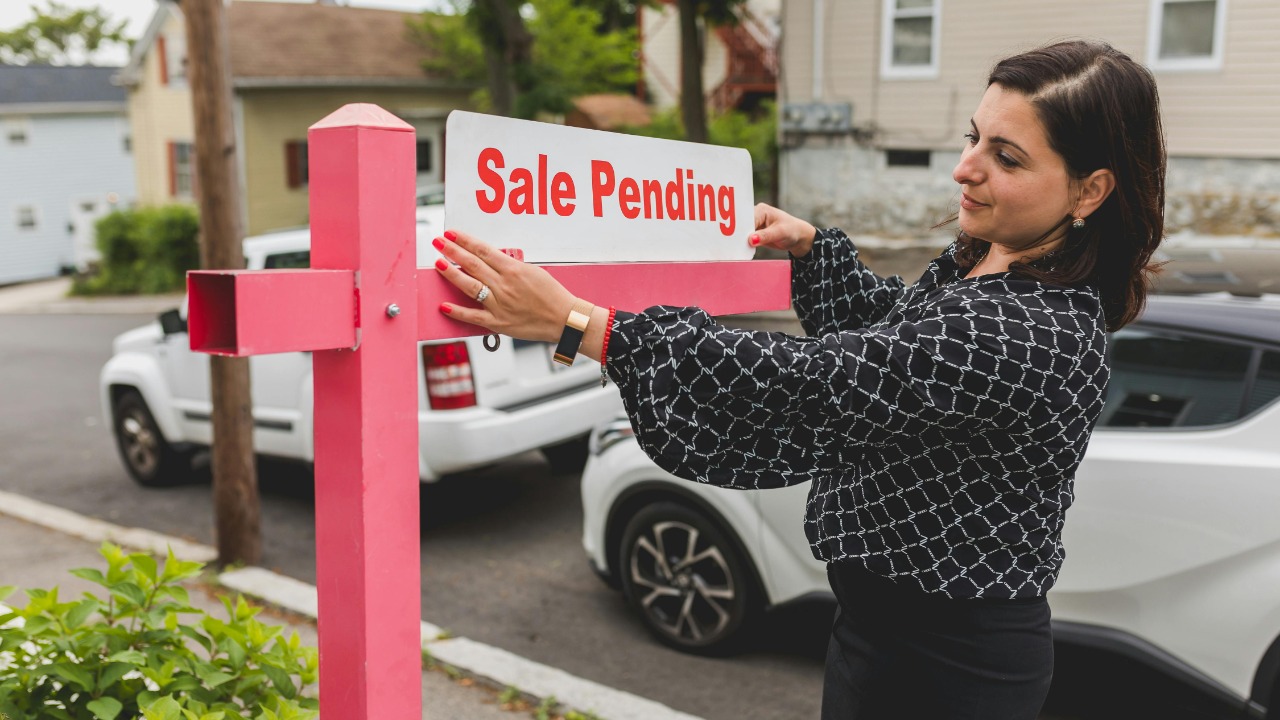
U.S. housing started the year on a weak footing as existing-home purchases fell sharply in January, even though mortgage rates eased from last autumn’s peaks. The pullback highlights how high prices, scarce listings, and uneven economic signals are overpowering the modest relief that lower borrowing costs would normally bring to buyers. Together, these forces left the market with a disappointing start just as many households had hoped for a more affordable path into ownership.
Rather than a renewed upswing, January delivered a clear setback in sales volume and a reminder that interest rates are only one piece of the affordability puzzle. The latest data show demand cooling again after a brief rebound late last year, while sellers remain reluctant to cut prices or flood the market with new inventory.
Sales sink to a disappointing start despite lower rates
Analysts describe January as a reset that erased much of December’s momentum, with Total Existing home sales for January falling back to a seasonally adjusted annual rate of 3.91 million. That figure marked an 8.4% decline from the prior month, a drop that industry groups labeled a Disappointing Start to 2026 and that left activity well below what would be expected in a typical early-year market. The same data show that Total Existing transactions were also lower than a year earlier, signaling that the market is still struggling to escape a prolonged slump even after borrowing costs retreated from their highs.
One detailed breakdown of January 2026 existing-home activity reports that sales dropped to 3.91 million on a seasonally adjusted basis, with the 8.4% monthly slide wiping out December’s rebound and reinforcing how fragile demand remains at current price levels. That account notes that January 2026 existing-home sales represented a Home Sales Drop at the start of the year, even as some measures of Affordability and buyer sentiment had begun to improve. The same research finds that new listings and inventory picked up in January as well, yet not enough to change the overall picture of a tight market that continues to ration access to ownership for many would-be buyers, according to January 2026 existing-home.
Inventory strains and weather add pressure
Even with demand cooling, supply remains constrained, which has kept conditions unbalanced and limited the impact of lower mortgage rates. One analysis of Existing home sales notes that transactions in January fell to a more than two year low after December’s strong rebound, with tight inventory continuing to press on buyers and sellers alike. That report highlights that the number of homes on the market is still well below what would be considered a balanced level, which means shoppers face competition for attractive listings even in a slower month. The same review points out that many owners locked into cheaper loans are reluctant to move, which further restricts the flow of fresh properties despite softer demand, as described in the assessment of existing home sales.
Weather also appears to have played a supporting role in the January slowdown, especially in regions hit by below normal temperatures and storms. Reporting on Sales of previously occupied U.S. homes notes that harsh winter conditions likely kept some buyers from touring properties and discouraged open houses, compounding the drag from high prices and limited selection. That same coverage stresses that while mortgage rates continued to ease during the month, the combination of cold weather and still elevated borrowing costs compared with pre pandemic norms meant that many households remained cautious. The result was that sales of previously occupied homes fell sharply in January, even as mortgage rates continued to ease and the broader economy showed solid growth, according to an analysis of sales of previously.
Affordability improves on paper, but buyers still feel squeezed
On several key measures, affordability actually improved at the start of the year, although that shift has not yet translated into stronger sales. A detailed review of Affordability reports that the index improved across all major regions, with gains ranging from 9% in the Northeast to 17.1% in the West. Those figures reflect the combined effect of slightly lower mortgage rates and modest income growth, which together reduced the typical payment burden for buyers who can manage a standard down payment. The same analysis warns, however, that these improvements offer less relief than headlines suggest, since many households still struggle to save for a deposit and to qualify under tighter lending standards, as described in the discussion of affordability improved across.
Official figures from The NAR show a similar story, with the housing affordability index rising to 116.5 in January from 111.6 in Dece, the highest reading since early 2022. That move signals that, on average, households with median incomes have a somewhat easier time qualifying for a typical mortgage than they did just a few months earlier. Yet the same report notes that Mortga rates remain well above the levels that prevailed for most of the past decade, which means monthly payments are still historically heavy for new buyers. Analysts argue that until prices adjust more meaningfully or incomes rise faster, the improvement in the index will feel abstract for renters who remain priced out of the market, according to data on NAR affordability index.
Prices stay firm as owners hold the line
Despite the sales slump, prices have not given buyers much of a break. A detailed summary of January transactions finds that the median existing-home price for all housing types rose to $396,800, an increase of 0.9% from a year earlier. That figure marks the 31st consecutive month of year over year price gains, a streak that has persisted through significant swings in mortgage rates and sales volumes. The same review notes that this resilience reflects both the scarcity of listings and the financial strength of current owners, who are generally not under pressure to accept steep discounts, according to an analysis that highlights the median price of $396,800.