
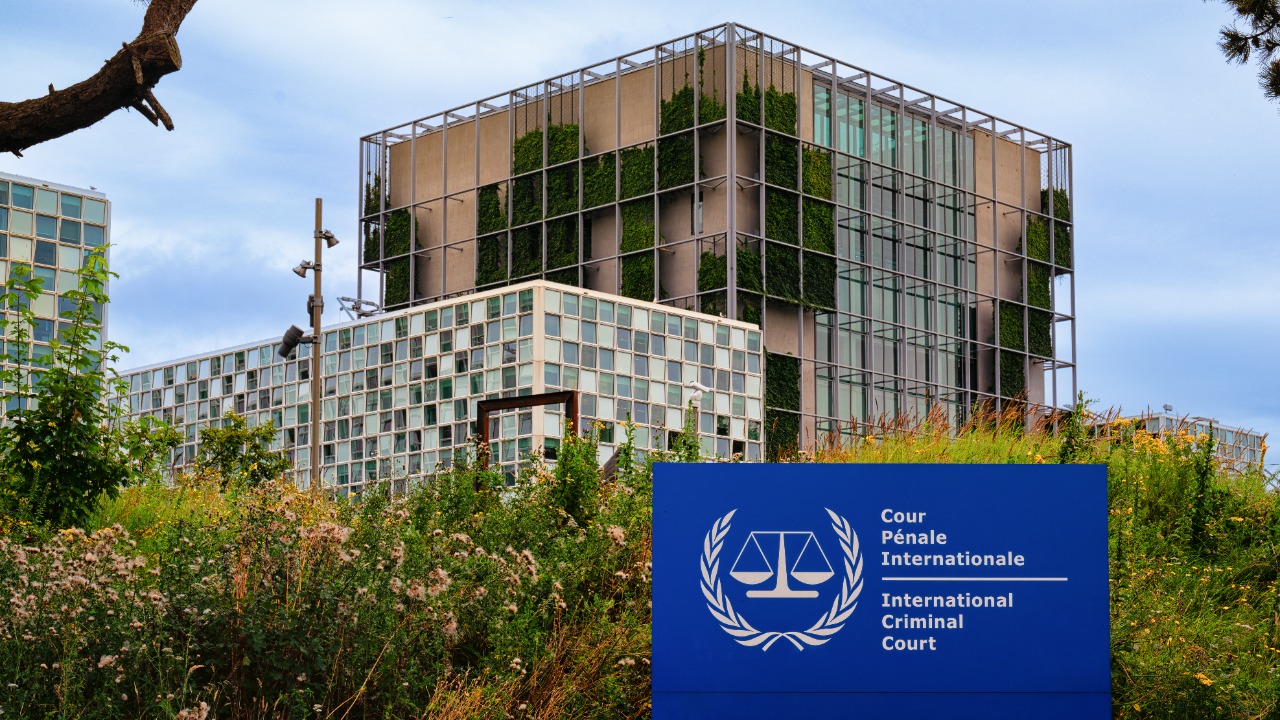
The United States is effectively telling the International Criminal Court to step away from Donald Trump or prepare to meet the business end of its sanctions toolkit. Washington is not just grumbling about jurisdiction, it is threatening fresh economic punishment unless the ICC promises not to prosecute the sitting president over alleged crimes tied to conflicts like those involving Israel and Afg. In diplomatic terms, this is the equivalent of slapping a “Do not enter” sign on the courthouse door and daring the judges to ignore it.
At stake is more than one man’s legal exposure. The clash pits a White House that treats the ICC as an illegitimate meddler against a court that insists it was created precisely to investigate powerful leaders when national systems will not. I see a slow-motion collision between a superpower that has never accepted the ICC’s authority and a tribunal that, at least on paper, is supposed to be immune to exactly this kind of political pressure.
How Washington turned sanctions into its favorite gavel
The latest warning about new penalties did not appear out of thin air, it is the logical next step in a sanctions campaign that has become the Trump administration’s go-to method for disciplining the ICC. Earlier this year, the United States used an Executive Order to target court officials financially, a move that critics said was designed to stop the ICC from carrying out its independent mandate. That order, described bluntly as “This Executive Order,” was framed as a defense of national sovereignty, but in practice it put judges and prosecutors on notice that their bank accounts were now part of the battlefield.
Human rights advocates argued that the measure was less about constitutional theory and more about shielding U.S. and allied personnel from scrutiny, warning that it posed a significant threat to international justice and the ICC itself. By treating cooperation with the court as a sanctionable offense, the administration signaled that it was willing to punish not just individuals but anyone who helped them, a strategy laid out in detail in analysis of This Executive Order. In other words, the United States did not just throw shade at the ICC, it weaponized the dollar against it.
Trump, Israel, and the judges in the crosshairs
The current showdown over Donald Trump’s potential exposure is inseparable from the administration’s fury at ICC investigations involving Israel. When the court moved ahead with probes into alleged war crimes tied to Israel, Washington responded by personally targeting ICC judges, treating their legal work as a hostile act. Secretary of State Marco Rubio, speaking in WASHINGTON, announced that the Trump administration would be sanctioning specific judges for what he called illegitimate action against Israel, a move that turned obscure jurists into geopolitical villains overnight.
Those sanctions were not symbolic wrist slaps. Officials made clear that the measures would hit the judges’ assets and restrict their travel, effectively punishing them for doing the job they were appointed to perform. Reporting on the decision to sanction two more ICC judges underscored how far the administration was willing to go, describing a campaign that critics said undermined any pretense of an impartial judicial institution and citing the figure 52 in the context of the pressure being applied. In that environment, the new threat of additional sanctions unless the court backs away from Trump looks less like a one-off tantrum and more like the next chapter in a sustained effort to intimidate the bench.
The red line: no case against Donald Trump
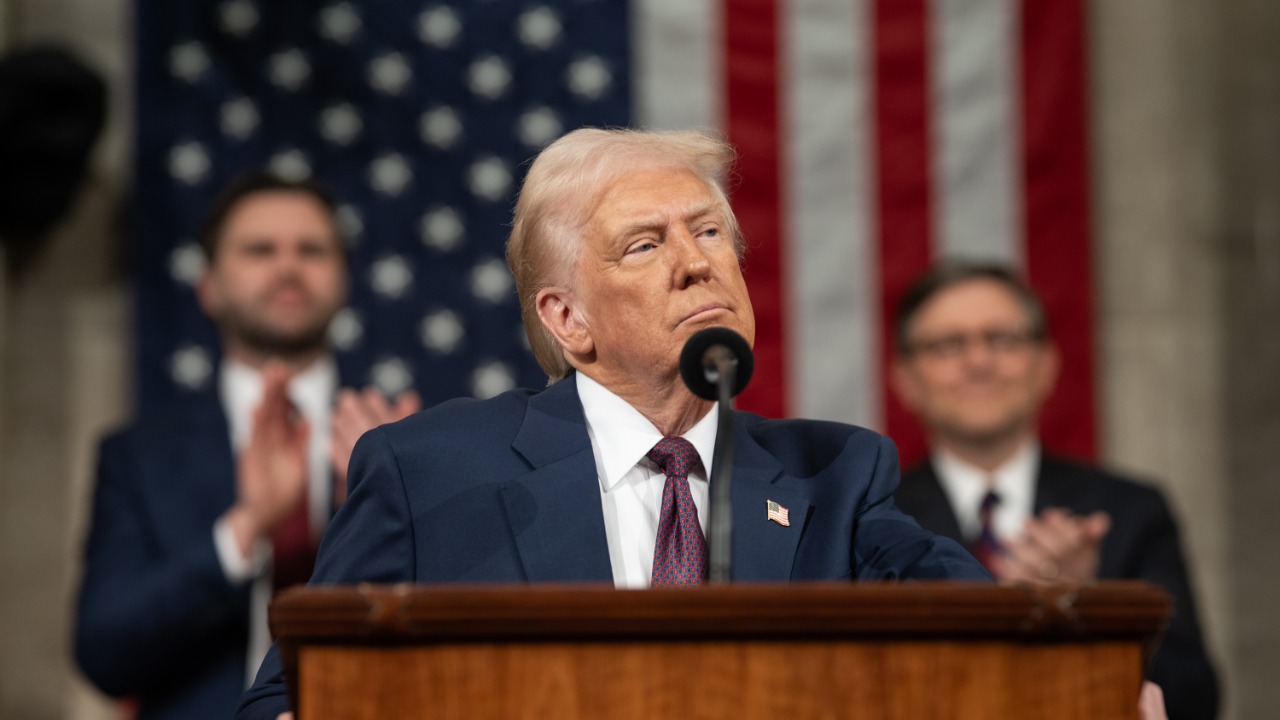
The latest escalation is unusually blunt even by Washington standards. The US has warned that it will impose new sanctions unless the ICC pledges not to prosecute Donald Trump, effectively demanding a personal immunity deal for the president. According to detailed accounts of the threat, The US wants the court to rule out any case against Trump himself, against other senior officials, and even against the court as an institution, turning what should be a legal process into a high-stakes political negotiation.
In practical terms, that means the administration is trying to preempt any investigation that could touch Trump’s role in conflicts under ICC scrutiny, including those involving Israel and Afg. The message is simple enough to fit on a bumper sticker: touch the president and you will pay. Reporting on how the US threatens new ICC sanctions unless the court pledges not to prosecute Donald Trump describes officials pressing for assurances that go far beyond the usual jurisdictional objections. Instead of arguing about legal theory, they are effectively asking the judges to sign a political waiver.
Why the ICC is not blinking
The ICC, for its part, appears to have read the memo and then filed it directly in the recycling bin. At a recent gathering of its member states, the court brushed aside U.S. demands to drop the Israel war crimes probe and to amend its founding treaty, signaling that it would not rewrite its own rules to accommodate Washington. Delegates heard calls from Washington to end not only the Israel investigation but also work related to Afg, yet the court and its supporters held the line, treating the pressure as an attack on their core mission rather than a normal policy disagreement.
The court’s leadership has been equally clear that sanctions will not dictate its docket. The ICC Chief Says US Sanctions Won, Change Court, Handling of Cases, insisting that the tribunal will continue to assess situations based on evidence and law rather than on who is threatening whose bank accounts. In that statement, the court’s head emphasized that its work is grounded in the support of its 125 member states, a reminder that while the United States can make life difficult, it does not get a veto. Coverage of how the ICC Chief Says US Sanctions Won, Change Court, Handling of Cases even highlighted the figure 57 in the timing of the remarks, underscoring how closely the response tracked the latest U.S. moves.
A long, messy marriage of convenience
To understand why this confrontation feels both shocking and weirdly familiar, it helps to remember that the United States and the ICC have been in a long, awkward relationship from the start. The U.S. signed the Rome Statute at one point, then backed away, and has never fully recognized the court’s authority over its nationals. Under Donald Trump’s second presidency, that skepticism hardened into outright hostility, with officials arguing that U.S. participation in the ICC would be incompatible with the Constitution and would undermine the power of the United States to police its own. In that narrative, Neither the United States nor other major powers that reject the court’s jurisdiction are doing anything unusual, they are simply defending their sovereignty against an overreaching ICC.
That history explains why the current demand for a hands-off approach to Trump feels like the logical, if extreme, extension of a long-standing position. Washington has always insisted that its own courts and military justice systems are sufficient, and that any external review is an insult to its institutions. The difference now is the level of personalization and the willingness to use direct economic punishment to enforce that view, a shift that analysts trace through the pattern of sanctions, from the early Executive Order to the targeting of judges and the latest ultimatum over Donald Trump.
What happens when law meets raw power
The standoff now hinges on a simple but uncomfortable question of leverage. The United States controls access to its financial system and can make life very hard for ICC officials, but the court controls something Washington clearly cares about, the ability to investigate and potentially prosecute leaders for serious international crimes. Each new threat of sanctions is meant to tip that balance, to convince judges that the personal cost of touching Trump or sensitive cases like those involving Israel and Afg is simply too high.
So far, the ICC is signaling that it will not fold, even as it absorbs the blows. Reports describing how the court shuns US demands to drop the Israel war crimes probe and to change its treaty show a membership that, at least for now, is willing to rally around the institution rather than appease Washington. In that sense, the clash over fresh sanctions and the Trump case is not just about one investigation, it is a stress test of whether an international court can function when a superpower treats it as a hostile actor instead of a forum for justice. If the judges hold their ground, they will prove that legal institutions can survive even when the world’s most powerful state is actively trying to starve them of oxygen. If they yield, the message to every future leader will be painfully clear: with enough economic muscle, you can turn accountability into a negotiable line item.