
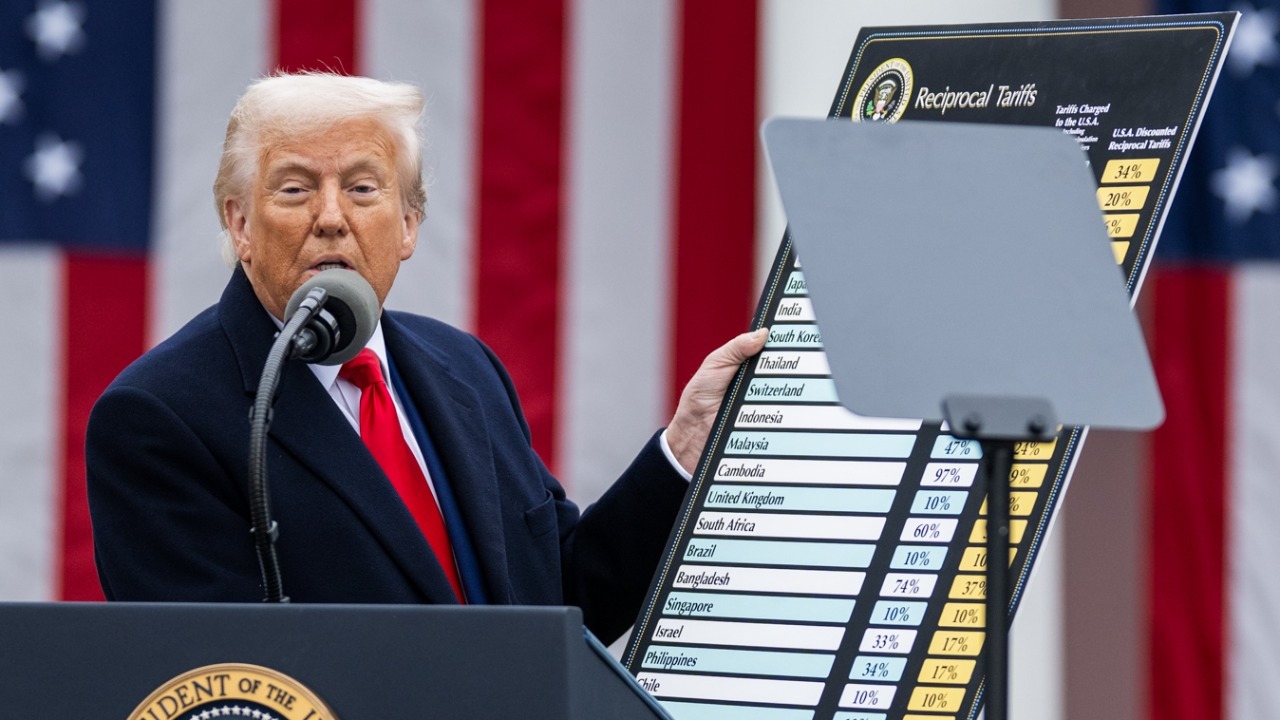
President Donald Trump is considering easing some of his own steel and aluminum tariffs as midterm elections approach, testing how far he can go in lowering costs without surrendering his trade leverage. The discussion centers on targeted relief for certain products rather than a wholesale retreat from his metals agenda, reflecting both political pressure and industry backlash. Any adjustment would mark a significant shift in a policy that has defined his economic nationalism and shaped prices from car plants to construction sites.
Tariff rethink as political test
Advisers say Trump is weighing a limited rollback that would soften the burden on manufacturers while preserving his image as a defender of domestic metal producers. Reporting describes President Donald Trump preparing to scale back some steel and aluminum duties, with the focus on products used by downstream factories rather than on basic metal imports. The move is cast as a response to voter anxiety over affordability and to complaints from companies that rely on imported inputs for goods such as pickup trucks, refrigerators, and industrial machinery.
The political context is explicit. Trump is said to be eyeing changes as midterm contests draw closer, a period when price spikes on everyday items can quickly turn into campaign liabilities. One account details how Trump weighs steel as his team studies which products face the heaviest cost pressures. Another report attributes the story to Ariel Zilber and explains that Ariel Zilber describes internal deliberations over how far to go without alienating core supporters in steel towns. Taken together, the accounts portray a president trying to fine-tune a signature policy in the heat of an election cycle.
From sweeping levies to targeted relief
The original metals actions were broad, but the current debate is about narrowing their reach rather than scrapping them. Earlier measures under trade authorities, such as section 23,2 applied tariffs on a wide range of steel and aluminum products, which Canadian producers and other allies said hit their industries hard. A Canadian perspective describes how the Section 232 tariffs on steel and aluminum were blamed for plant cutbacks and strained cross-border supply chains, particularly in auto and construction materials.
Trump’s trade team is now described as working to confine the duties to more specific categories. One account notes that President Donald Trump, in certain cases, and officials are now examining where those higher rates can be trimmed without undermining what they see as core trade enforcement. Another report describes how Trump moves in a targeted fashion, keeping core trade authorities intact while trying to relieve pressure on downstream users. The shift underscores a move from blanket protection toward a more calibrated industrial policy.
Economic pressures from the factory floor to the stock market
Behind the policy rethink lies a steady drumbeat of complaints from manufacturers that buy steel and aluminum rather than produce it. Companies that stamp steel panels for SUVs in Michigan or assemble aluminum window frames for new housing in Texas say higher input costs have squeezed margins and forced price increases on end products. Analysts describe this as a classic squeeze on the middle of the supply chain, where firms are too small to dictate prices yet large enough to feel every uptick in raw material costs.
Financial markets have already started to react to hints of a shift. One report notes that Cleveland Cliffs slid on signs that tariff protection for domestic steelmakers might ease, while investors in big buyers of metal, such as automakers and appliance manufacturers, welcomed the prospect of cheaper inputs. Coverage on Trump’s Tariff Rollback explains that markets are trying to gauge whether any cut will be modest fine-tuning or the start of a broader retreat. The uncertainty reflects how tightly corporate planning is now tied to the arc of Trump’s trade decisions.
White House messaging and midterm stakes
The official line from the administration stresses that nothing is final until Trump says so. A statement framed as White House: No makes clear that any narrowing of duties is entirely in Trump’s hands. At the same time, other reporting describes how, on Wednesday, President Trump pressed House allies to stand firm in the face of a symbolic rebuke of his trade strategy, even as he privately weighed adjustments. Live coverage of Trump portrays a risky leader trying to project strength while quietly searching for room to maneuver.
Midterm politics hang over every internal memo. One analysis explains that Donald Trump is as officials at the Commerce Depart study which sectors face the sharpest affordability pressures. Another account notes that Donald Trump plans to be the latest softening of levies amid persistent voter anxiety about affordability in the United States. Trade hardliners worry that any retreat could be read as weakness, while political strategists argue that a visible step to lower prices on cars, appliances, and construction materials might matter more to swing voters than abstract debates over tariff purity. The outcome will signal how Trump balances his protectionist brand against the pocketbook concerns that often decide elections.