
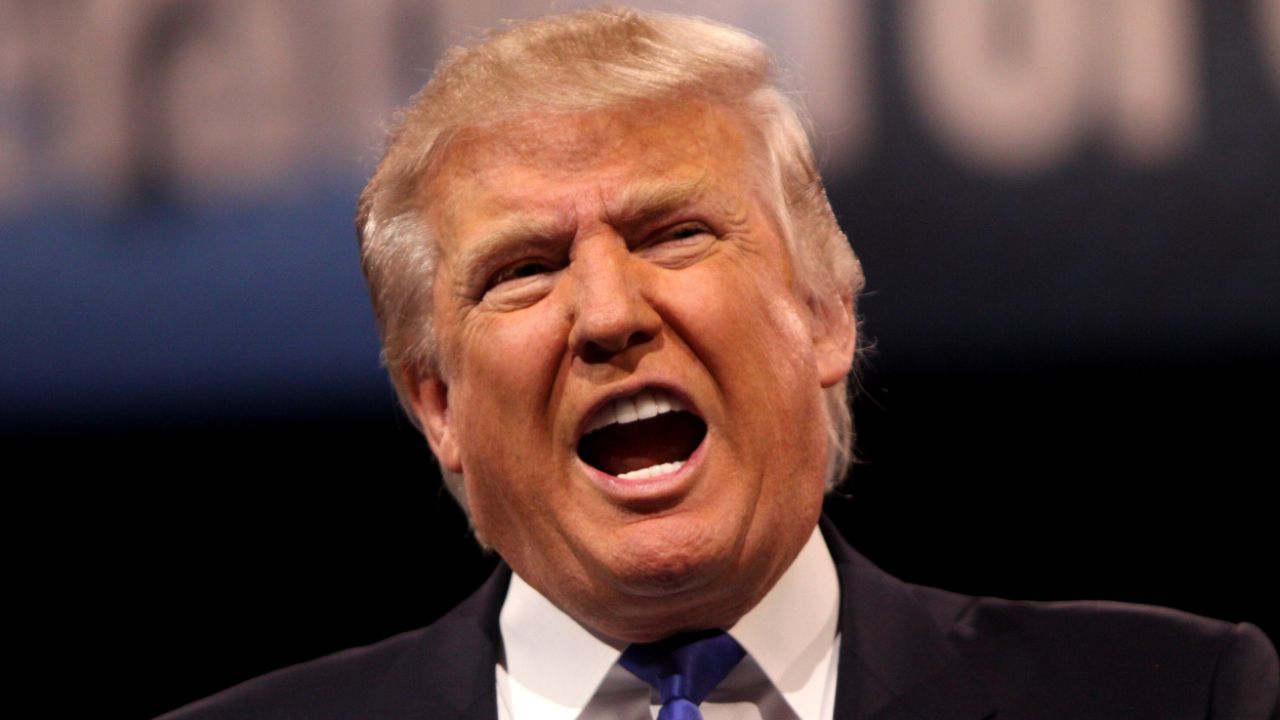
President Donald Trump told Americans on Wednesday that the country is performing better than ever and that the press is to blame for the public not knowing it. The message arrived five weeks before the midterm elections, less than two weeks after he barred three news organizations from the White House, and amid a wave of taxpayer-funded ads promoting him.
The Post
Trump published the statement on Truth Social at 11:54 a.m. on September 30, 2026. The post read in full:
“Our Nation is doing really well, in many ways, better than ever before, but the Public just doesn’t know how well we’re doing. The Fake News Media refuses to disseminate our Record Setting Numbers, so I’m doing the best I can to do it myself! President DONALD J. TRUMP”
The post named no specific statistics, agencies or outlets. It made three claims: that the nation is doing “better than ever before” in “many ways,” that the public is unaware of this, and that the “Fake News Media” is the reason. Trump also cast himself as the one relaying the information directly to the public.
A Long-Running Theme
The language echoes earlier posts. In one Truth Social message, Trump wrote that the “Fake News” was “dying, or dead” and “refuses to report” on his platform’s traffic. During his first term, he called the news media “the enemy of the American people.” A running reference count also notes that more than 600 of his tweets targeted specific news organizations, led by The New York Times, CNN, NBC and MSNBC, Fox News and The Washington Post.
The White House Ban
The post follows an unusual escalation. On Friday, September 18, Trump announced he was banning CNN, MS NOW and Politico from the White House. He cited what he called their “constant ‘reporting’ FAKE NEWS” and warned that “other outlets” could face similar action without naming them.
The restrictions took effect the next morning. CNN’s Betsy Klein, MS NOW’s Akayla Gardner and Politico’s Cheyenne Haslett arrived at the White House on Saturday, September 19, and were denied entry. Their credentials were confiscated. NBC News reported that none of the high-level current and former staff members it spoke with knew of the plan in advance.
The fallout spread quickly. The three outlets filed a First Amendment lawsuit on September 21, saying their journalists’ credentials were revoked without notice or process because of their reporting. The four other network video pool providers declined to participate in White House coverage in solidarity. A joint statement from the five pool organizations, including Fox News, said no government should restrict a news organization because it objects to its reporting.
A judge ordered access restored, and CNN’s Klein was back at the White House by September 24. The network video pool resumed operating on September 25. It was the first time since the ban that the pool had functioned. Trump had previously barred The Associated Press from the Oval Office and Air Force One in February 2025 in a dispute over the name “Gulf of America.”
What the Latest Federal Data Shows
Trump has repeatedly described the economy in expansive terms. In the weeks around the first anniversary of his return to office, he said the economy was “booming” and that inflation had been “defeated.” In December 2025, he called affordability concerns a “hoax” and described the economy as in a “golden age.”
The most recent federal figures are mixed. The Bureau of Labor Statistics reported that the Consumer Price Index rose 0.4 percent in August and 3.4 percent over the past 12 months. The energy index rose 16.3 percent over the year, and gasoline accounted for more than a third of the monthly increase. Core inflation, which excludes food and energy, was 2.4 percent. The unemployment rate was 4.1 percent, and payrolls rose by a preliminary 162,000 jobs.
Data released Wednesday showed the Federal Reserve’s preferred gauge, the PCE price index, rose to an annual rate of 3.4 percent in August. CNN attributed the pressure to an energy shock tied to the war in Iran. The report also noted that an annual revision showed prices had not risen as fast as previously thought. Fed officials earlier this month raised interest rates for the first time in three years, and a Commerce Department economist said employment growth had accelerated and broadened.
Polls, Markets and the Midterms
Public opinion has not moved in the direction the post suggests. The Silver Bulletin reported Tuesday that Trump’s net approval rating hit a new low of -22.4. At the same point in his first term it was -11.6, and Joe Biden stood at -9.6 at the equivalent stage of his presidency.
Prediction markets are also pointing toward a Democratic House. As of September 30, Polymarket showed a 93 percent chance that Democrats win the chamber, with more than $12.6 million traded on the market. Kalshi priced Democrats at 91 to 92 percent for the House and roughly 60 percent for the Senate. The markets reflect traders’ odds rather than a forecast of the result. Democrats need a net gain of only three seats, and the election is November 3.
The Taxpayer-Funded Ads
The administration has also turned to advertising. Beginning last week, three television spots promoting Trump aired on national networks and cable, each ending with a disclaimer that it was “Paid for by the U.S. Government.” One is nearly identical to a 2024 Trump campaign ad, and another features UFC CEO Dana White praising Trump. The government had spent more than $1.5 million airing them by Monday, according to reports, and CNN reported that Trump personally helped select the imagery used.
The White House has called the spots “public service announcements” and said they are “very clearly not campaign ads.” The Wall Street Journal reported, and NBC News confirmed with an official and a top Republican senator, that the money came from Customs and Border Protection funds. Democratic senators wrote that about $20 million appeared to have been dedicated to the ads. Senate Majority Leader John Thune said, “I like the message, but it shouldn’t be paid for with taxpayer dollars.” Annual spending bills have barred the use of public funds for “publicity or propaganda” since the 1950s.
What Comes Next
Wednesday’s post arrives as those threads converge: a ban on three outlets that courts partially reversed in days, inflation above the Federal Reserve’s target, a record-low approval reading and ads that critics in both parties say should not be funded by taxpayers. The post itself gave no figures to support its claim, and Trump has not said which “Record Setting Numbers” he meant. With the midterms five weeks away, the post sets out his argument for the closing stretch of the campaign: that the country is thriving and the press is concealing it.