
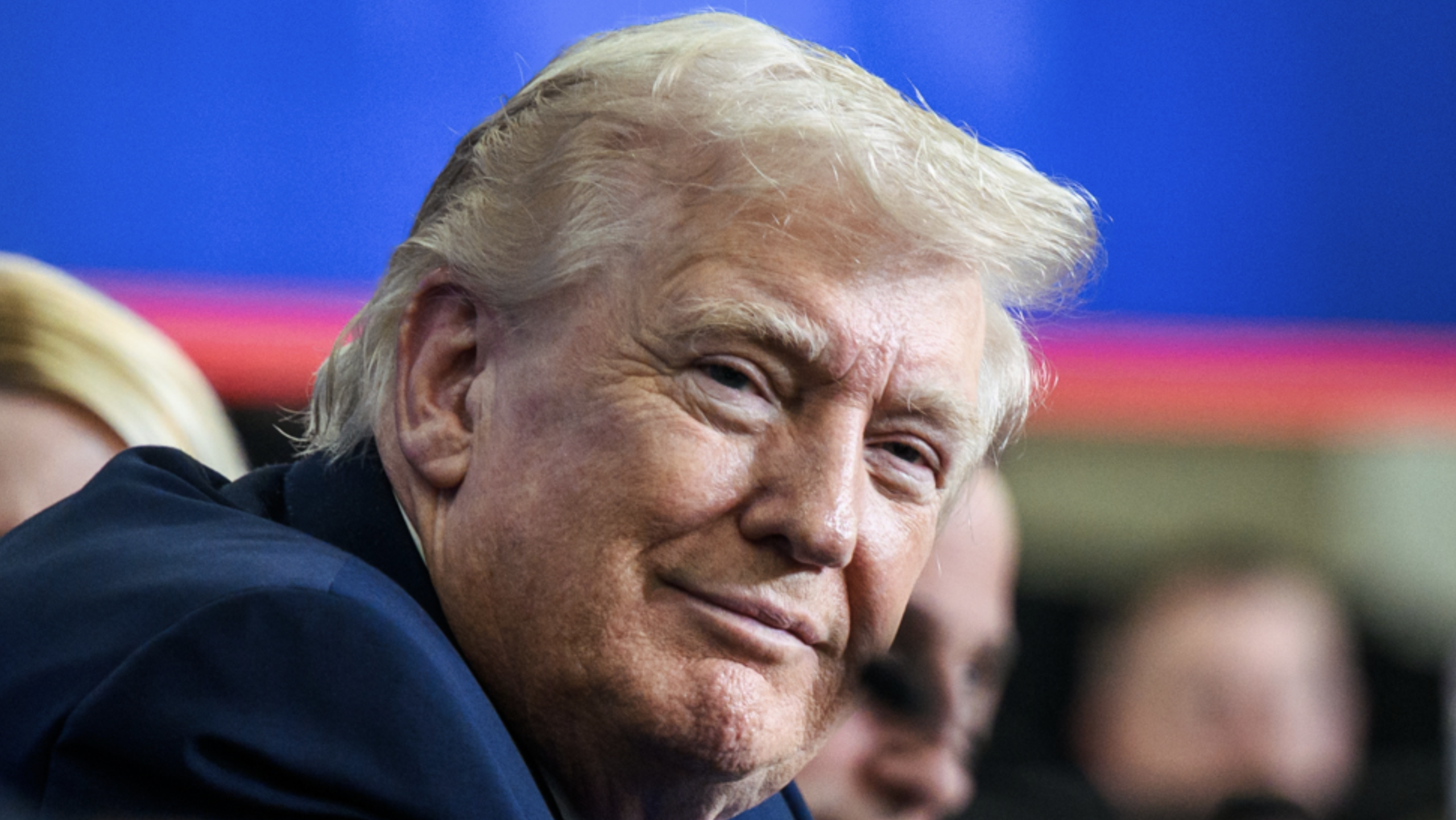
President Donald Trump said March 24 that remaining Iranian leadership figures are seeking negotiations following a series of strikes that eliminated much of the country’s command structure, describing a dramatically weakened leadership environment amid the ongoing conflict.
During his remarks, Trump portrayed Iran’s leadership as largely dismantled, with surviving officials eager to reach an agreement. “They have no navy left. They have no air force left. They have no anti-aircraft equipment left, no radar left, no leaders left. The leaders are all gone. Nobody knows who to talk to. But we’re actually talking to the right people, and they want to make a deal so badly. You have no idea how badly they want to make a deal and we’ll see what happens,” Trump said.
Trump on Iran: You have no idea how badly they want to make a deal pic.twitter.com/XrODff6vea
— Acyn (@Acyn) March 24, 2026
The comments follow a series of strikes beginning February 28 that targeted Iran’s top political, military, and intelligence leadership. Among those confirmed killed were Supreme Leader Ali Khamenei, senior military commanders, intelligence officials, and key figures tied to Iran’s defense and nuclear infrastructure. Additional reports indicate that dozens more high-ranking officials, including members of the Ministry of Intelligence and the Islamic Revolutionary Guard Corps, were also killed in coordinated operations.
The elimination of senior leadership extended across multiple layers of Iran’s command structure. Top military officials, including the heads of the armed forces and Revolutionary Guard, were killed alongside intelligence leadership and security officials responsible for internal operations. Subsequent strikes in early and mid-March continued targeting newly appointed or remaining figures, further degrading the chain of command and leaving what Trump described as uncertainty over who remains in control.
Trump indicated that despite the disruption, U.S. officials are engaged with what he described as the “right people,” suggesting that a smaller group of surviving or newly elevated figures is now representing Iran in discussions. He added separately that new leadership figures had been identified and targeted in successive strikes, reinforcing the extent of the leadership losses.
The president framed the current negotiations as being driven by pressure created through sustained military action, with remaining officials seeking to avoid the same fate as those previously targeted. His characterization of Iran’s position emphasized both the scale of leadership losses and the urgency among those still in place to reach an agreement as operations continue.