
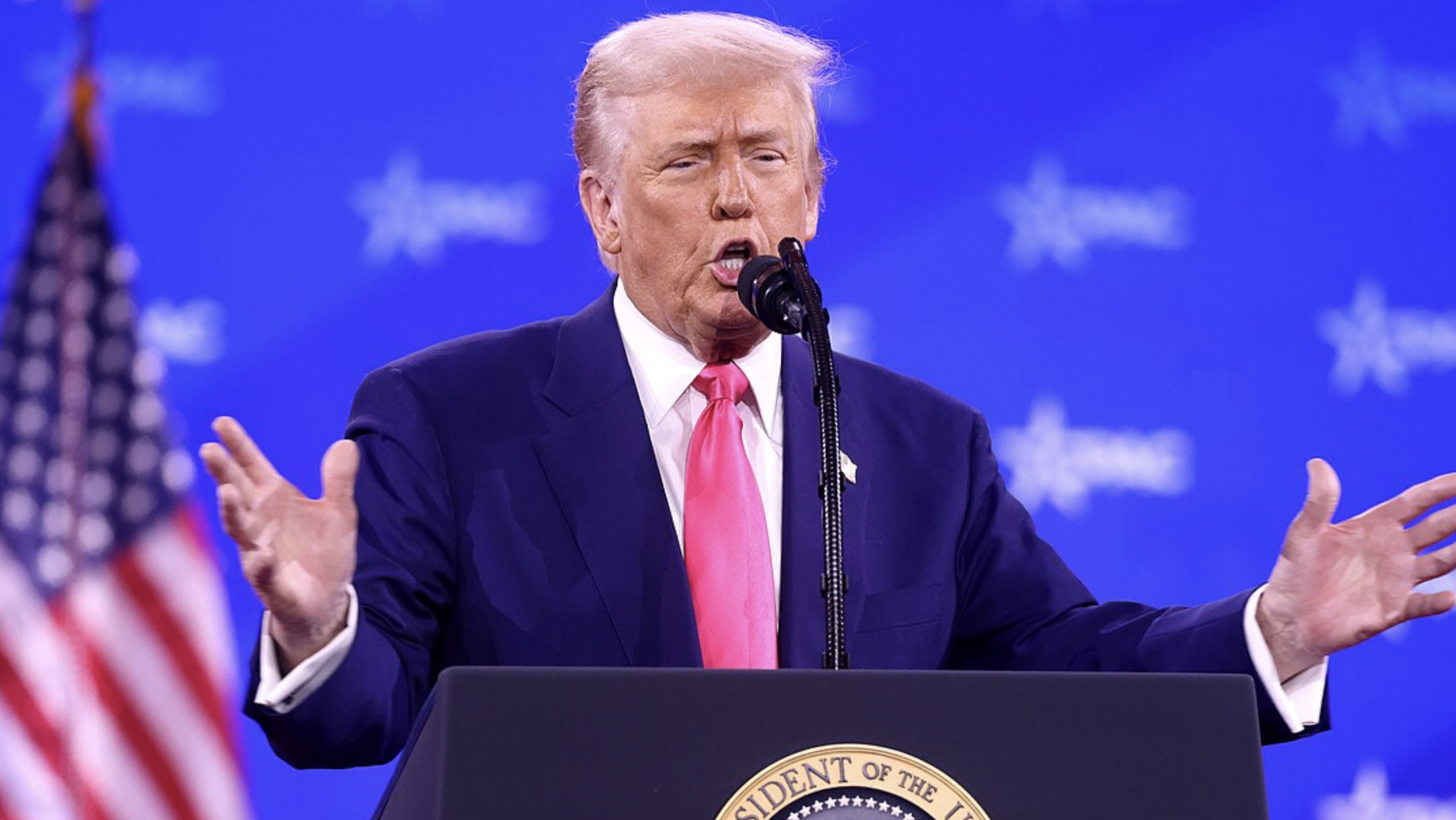
An armed security breach at the Washington Hilton during the White House Correspondents’ Dinner on Saturday night prompted an emergency evacuation of President Donald Trump and senior officials and quickly became the latest flashpoint in his push to advance a long-contested plan to build a new White House ballroom. Within hours of the incident, the president and his allies were publicly linking the disruption to what they described as the need for expanded and more secure event space on the White House campus, renewing pressure on a project already slowed by litigation.
According to law enforcement officials and early timelines of the incident, the shooting began around 8:35 p.m. ET when a gunman forced his way through a Secret Service checkpoint inside the hotel lobby while armed with a shotgun, a handgun, and multiple knives. Guests at the dinner took cover as shots were heard, and Secret Service agents moved quickly to evacuate the president, first lady Melania Trump, and members of the cabinet from the ballroom area. A Secret Service agent was injured in the response, while the suspect was later subdued, handcuffed, and taken into custody after law enforcement exchanged gunfire, though he was not struck.
The White House Correspondents’ Association dinner, held annually at the Washington Hilton, was abruptly disrupted as security personnel secured the scene. The suspect was intercepted before reaching the ballroom, and officials later said he was transported to a hospital for evaluation. The event was ultimately halted, and Trump later said it would be rescheduled within 30 days after law enforcement requested attendees leave the premises.
In the immediate aftermath, Trump issued early comments praising the response of security personnel, saying they “acted quickly and bravely,” and confirming that the shooter had been apprehended. He also posted on social media and spoke publicly within hours, framing the incident as evidence of broader security vulnerabilities at large Washington venues.
By Sunday morning, Trump had directly tied the episode to his long-promoted ballroom project. “This event would never have happened with the Militarily Top Secret Ballroom currently under construction at the White House,” he wrote in a social media post. “It cannot be built fast enough!” He later reiterated similar arguments in a Fox News interview, emphasizing what he described as difficulties securing the Washington Hilton, a sprawling hotel that has hosted the dinner for decades.
— Rapid Response 47 (@RapidResponse47) April 26, 2026
The White House ballroom proposal, first advanced as a major priority earlier in Trump’s term, calls for a 90,000 square-foot structure on the site of the former East Wing. The administration has said the project would be funded through roughly $400 million in private donations, though donor identities have not been fully disclosed. The plan has repeatedly faced legal challenges, including claims that such a reconstruction requires congressional approval and cannot be carried out unilaterally by the president.
Just over a week before the shooting, a federal judge ordered a halt to aboveground construction on the project, stating that the administration appeared to be attempting to bypass earlier restrictions by reclassifying the ballroom as a national security upgrade. The judge wrote that “national security is not a blank check to proceed with otherwise unlawful activity,” underscoring that standard security enhancements did not exempt the project from legal review. A federal appeals court has since allowed construction to continue temporarily while the case proceeds.
The Trump administration and supporters have argued that the ballroom would improve security and enable larger official events on White House grounds, while critics, including the National Trust for Historic Preservation, have said the project requires congressional approval and raises questions about executive authority over White House construction.
The White House Correspondents’ Association, which organizes the annual dinner, is an independent organization of journalists covering the presidency and has long hosted the event at the Washington Hilton. The venue itself has a long history of hosting major political gatherings and was also the site outside which John Hinckley Jr. attempted to assassinate President Ronald Reagan in 1981.
Following the weekend’s security breach, Trump again returned to the ballroom issue at a Saturday night press conference, calling the Hilton “not a particularly secure building” and arguing that the proposed structure would better protect high-profile events. As legal and political disputes over the project continue, the incident has intensified debate over presidential authority, security planning at major political events, and the scope of proposed White House renovations.