
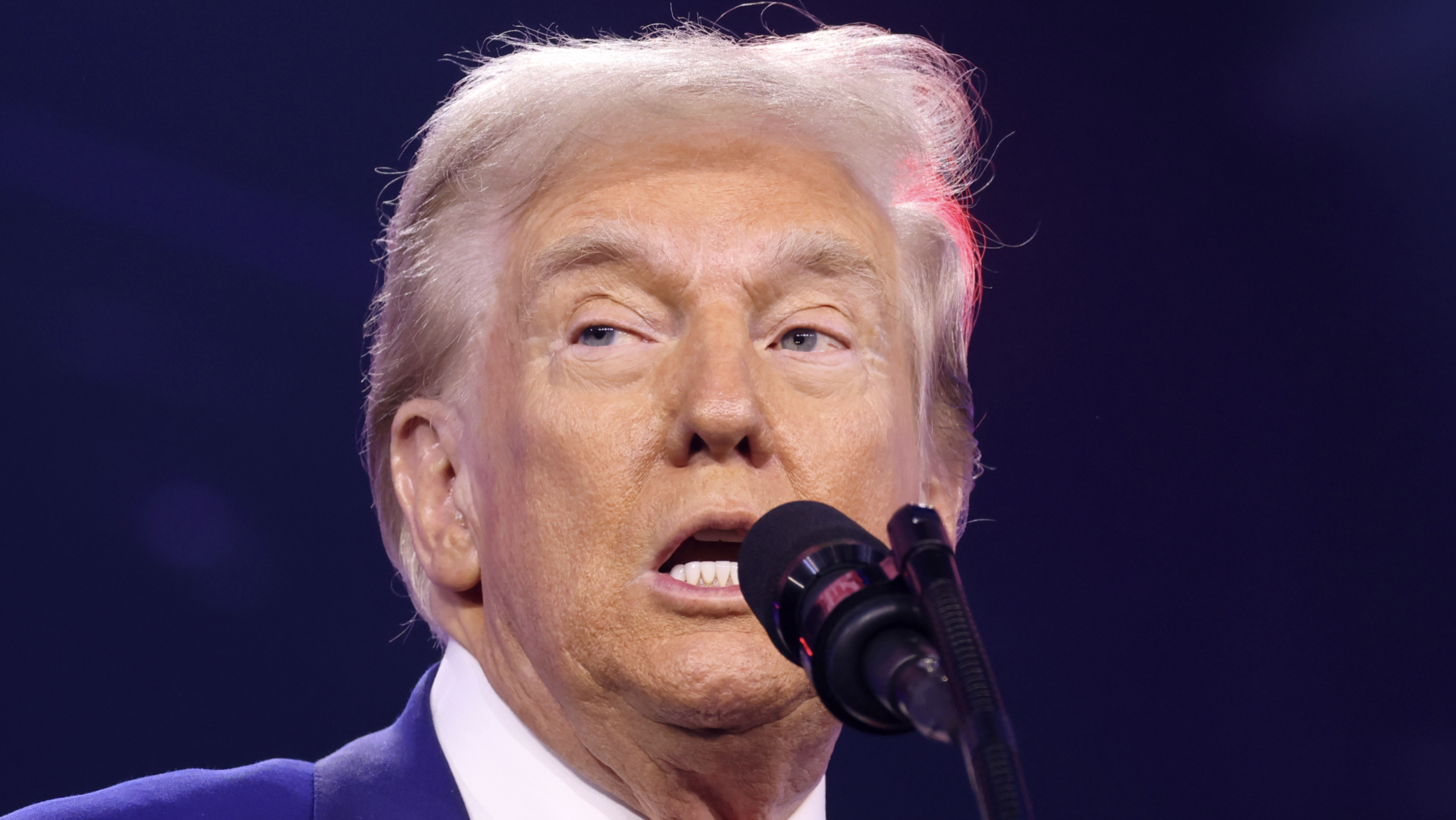
President Donald J. Trump sharply criticized media coverage of U.S. operations against Iran, singling out The New York Times for what he described as misleading reporting that portrayed the United States as struggling in the conflict. Speaking at the Future Investment Initiative on March 27, 2026, Trump contrasted press accounts with what he called decisive American military successes.
Trump detailed extensive damage inflicted on Iranian forces, including the near-total destruction of its naval and air capabilities. He emphasized the scale of losses to Iranian assets and leadership during Operation Epic Fury, which as of late March 2026 involved over 9,000 combat flights by U.S. forces and resulted in more than 140 Iranian vessels damaged or destroyed. U.S. strikes targeted command centers, IRGC headquarters, ballistic missile sites, drone manufacturing facilities, and other critical infrastructure, employing a wide array of assets from B-2 stealth bombers to Patriot missile systems.
Trump: If you read the New York Times, you would think we are doing poorly. It is almost treasonous. I have to be honest, it's almost treasonous. pic.twitter.com/xYm9KCTwHA
— Acyn (@Acyn) March 27, 2026
“If you read ‘The New York Times,’ you would think we’re doing badly against Iran,” Trump said. “Remember, they have no navy, wiped out. 159 ships at the bottom of the sea in three days. They have no air force. All wiped out. There are very few missiles left, their drones are at a minimum, their factories are gone, their leaders are gone. Their leaders are dead. They’re all dead. Nobody heard of the people that are left. And if you read the Times, you think we’re doing poorly. It’s so — it’s almost treasonous, I have to be honest. It’s almost treasonous.”
The accusation of near-treason reflected Trump’s view that such coverage undermined U.S. efforts and morale during active military operations by suggesting weakness where overwhelming damage had been inflicted, including the deaths of Iran’s supreme leader and more than 40 other senior leaders and officials. He contrasted this with other outlets he considered fairer and urged audiences to seek out information independently.