
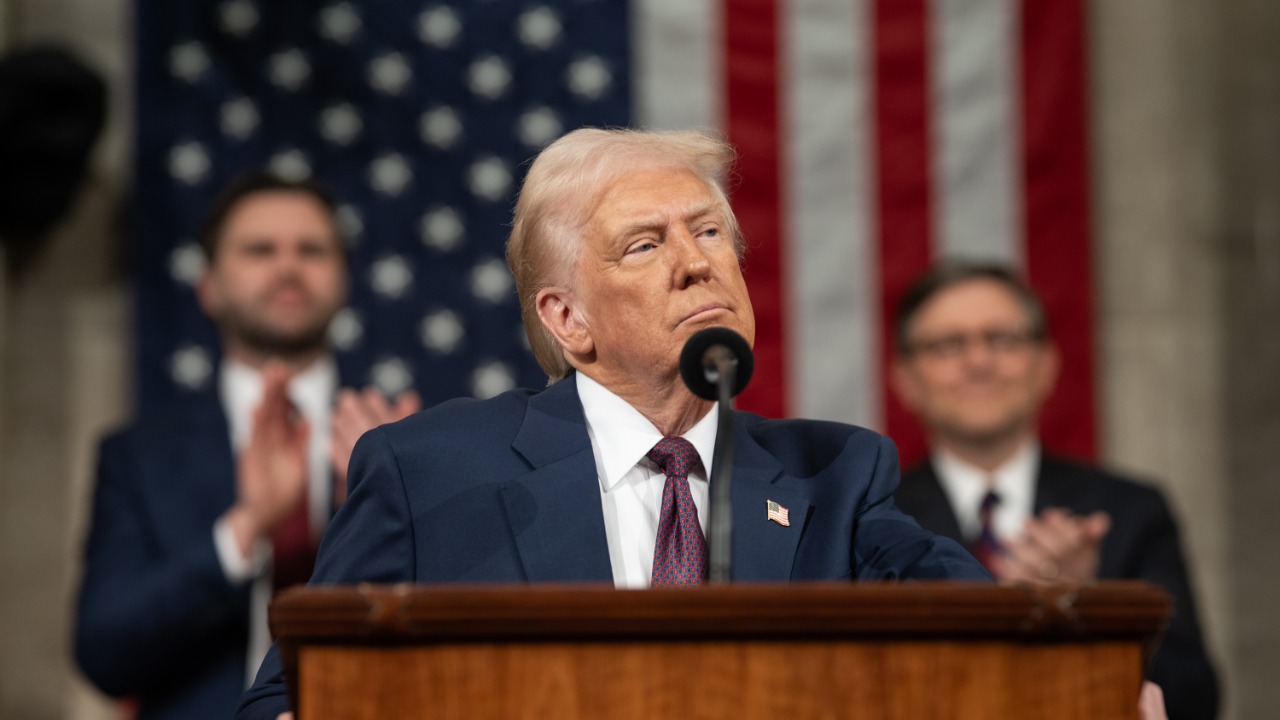
President Donald Trump has ordered National Guard troops to leave several major U.S. cities, ending a high profile phase of federal involvement in local public safety. The decision affects deployments in Chicago, Los Angeles and Portland, Oregon, and comes with a pointed warning that the forces could return if crime rises again. The move closes a contentious chapter in the relationship between the White House, state governors and big city leaders over who controls security on urban streets.
Trump’s announcement and the cities affected
The president used a national platform in late Dec to declare that the National Guard would be pulled out of Chicago, Los Angeles and Portland, Oregon, presenting the step as proof that his administration’s strategy had stabilized those cities. He said the deployments had achieved their purpose and argued that local authorities could now manage without federal support, while stressing that he retained the option to send troops back if needed. His message framed the withdrawals as a sign of strength, not retreat, and as a reward for what he described as improved conditions in the affected communities, a line he has repeated when discussing Chicago, Los Angeles and Portland.
Trump’s aides have emphasized that the decision applies only to a specific set of deployments that were ordered from Washington, not to every National Guard unit operating under state control. In his remarks, the president highlighted Chicago, Los Angeles and Portland as emblematic of what he has long portrayed as urban breakdown, saying they had been “GONE” without federal intervention, language he has used when defending the earlier decision to send in troops. That framing has been echoed in coverage that notes his insistence that the Federal Government stepped in where local leaders had failed.
How the deployments worked and why they are ending
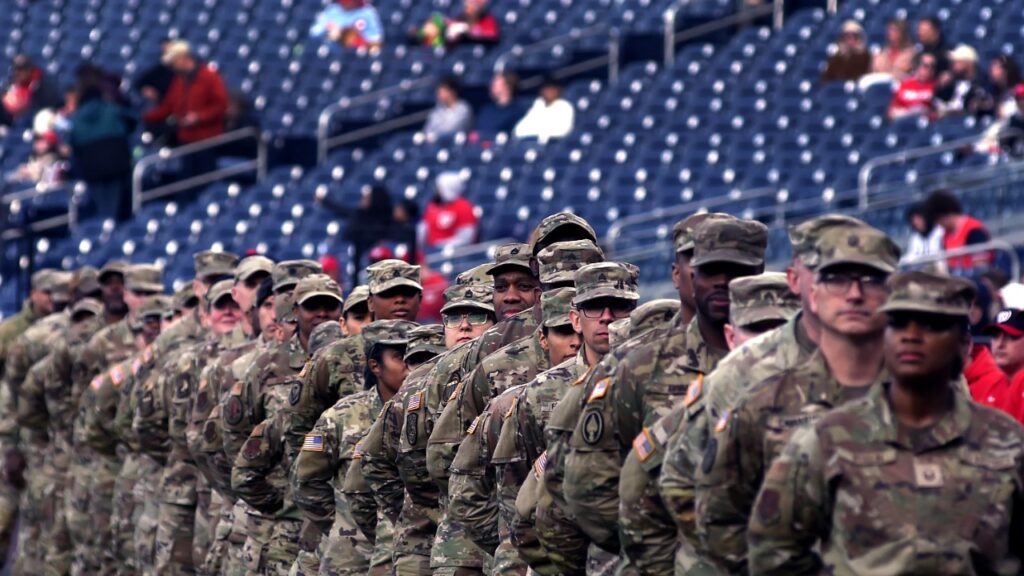
The National Guard is typically under the authority of state governors, but Trump’s moves in Chicago and Portland relied on federal orders that complicated that traditional chain of command. Hundreds of Guard members were sent into those cities as part of a broader push to confront violent crime and unrest, with the White House arguing that local officials had lost control. Reporting on the withdrawals notes that the president is now stepping back from that posture, at least for the moment, by announcing that he is withdrawing National Guard troops from some of the same places where he had previously insisted they were indispensable.
Trump has publicly linked the end of these deployments to what he describes as a drop in crime and a cooling of protests, arguing that the Guard presence helped restore order. In his Dec comments, he said he was “removing” the National Guard from Chicago, Los Angeles and Portland while warning that they could be sent back if crime “begins to soar,” a conditional threat that keeps pressure on local leaders. Coverage of his remarks underscores that he has not renounced the strategy itself, only paused it, and that he continues to claim that the Guard’s presence helped reduce violence in Chicago, Portland and Los Angele.
Legal and political pressures behind the shift
The reversal did not occur in a vacuum, and legal challenges played a significant role in reshaping the administration’s approach. Federal judges scrutinized the way the White House asserted control over Guard units, particularly in states that resisted the deployments, and the U.S. Court of Appeals for the District of Columbia Circu emerged as a key venue for those disputes. Reporting on the withdrawal notes that the administration has backed off efforts to maintain direct control over California’s National Guard in Los Angeles after adverse rulings and mounting litigation risk, with references to the Court of Appeals for the District of Columbia Circu underscoring how the legal landscape narrowed the president’s options.
Politically, Trump has tried to cast the change as a voluntary adjustment rather than a forced retreat, but his own rhetoric hints at frustration with the constraints he faced. In one account, he is quoted as saying that “Portland, Los Angeles, and Chicago were GONE if it weren’t for the Federal Government stepping in,” a line that both defends his earlier actions and criticizes local officials. At the same time, coverage describes him as “giving up” on some National Guard deployments for now, suggesting that the combination of court rulings, state resistance and public controversy made the status quo untenable. The result is a policy that formally ends the presence of federalized Guard units in key cities while leaving open the possibility of renewed intervention if Trump believes conditions justify it, a stance reflected in reports that he has given up on National Guard deployments only “for now.”
Where troops remain and what could trigger a return
Even as the White House touts the pullout from Chicago, Los Angeles and Portland, federalized Guard units are not leaving every city where they have been operating. Officials have confirmed that troops will remain on the ground in several other locations, including parts of the capital region, where security concerns and ongoing legal disputes have made a rapid exit more complicated. Reporting on the administration’s shift notes that while the president is backing away from direct control of California’s Guard in Los Angeles, he is not dismantling the broader architecture of federal deployments, and that troops will remain on the ground in other cities where local and federal officials see continuing risks.
Trump has been explicit that the withdrawals are conditional and reversible, warning that the National Guard could be sent back into Chicago, Los Angeles and Portland if crime rates climb again. In his Dec remarks, he paired the announcement of the exit with a stark warning that he would not hesitate to redeploy forces if he concluded that local leaders were failing to keep order. Coverage of his comments highlights that he is using the possibility of a return as leverage, signaling to mayors and governors that federal troops remain an option if he judges that they are not doing enough to curb violence. That dynamic is captured in reports that describe him as announcing a National Guard withdrawal from Chicago, Los Angeles and Portland while simultaneously warning of a potential comeback.
Implications for Chicago, Los Angeles, Portland and beyond
The end of the Guard presence in Chicago, Los Angeles and Portland shifts responsibility squarely back to local officials, who must now manage public safety without the visible backing of federal troops. City leaders in Chicago and Los Angeles have long argued that they can handle crime and protests with their own police and community programs, and they are likely to treat the withdrawal as an opportunity to reset relations with residents who viewed the deployments as heavy handed. In Portland, where clashes between demonstrators and federal forces became a national flashpoint, the exit may ease tensions that were inflamed by the sight of military style units on downtown streets, a point underscored in coverage that tracks how Trump says he is “removing” the National Guard while warning about crime.
Nationally, the episode leaves unresolved questions about when and how a president should use the Guard in domestic crises, and how far federal authority can stretch over units that usually answer to governors. The legal fights in Washington, D.C., and the administration’s partial retreat in Los Angeles suggest that courts and state leaders have tools to push back when they believe the White House is overreaching. At the same time, Trump’s insistence that he can send troops back into cities if crime rises keeps the debate alive, signaling that the underlying conflict over control of urban security is far from settled. For residents of Chicago, Los Angeles, Portland and other cities where troops remain, the next test will be whether local strategies can maintain order without triggering another round of federal intervention, a question that will shape how future presidents think about deploying the National Guard into America’s largest cities.