
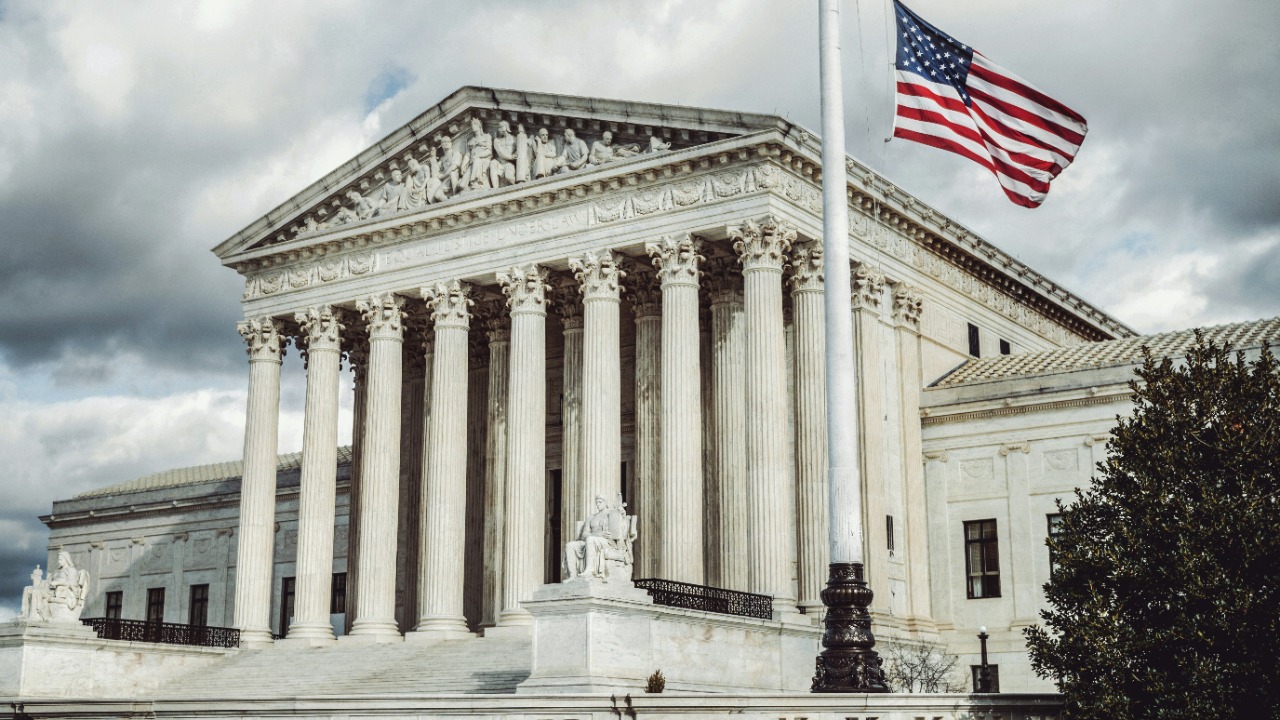
Over the next two years, a cluster of high‑stakes court fights is poised to determine how far governments can go in regulating firearms and who can be barred from owning them. From public carry rules in California to sweeping challenges at the Supreme Court, judges are being asked to translate a muscular reading of the Second Amendment into day‑to‑day policy. The outcomes could reset the balance between gun rights and public safety across the United States by 2026.
These disputes arrive in the wake of the Supreme Court’s 2022 Bruen decision, which instructed courts to judge gun laws against the nation’s historical tradition of regulation rather than modern policy arguments. That standard has already triggered a wave of litigation, and the next round of rulings will test how durable long‑standing restrictions on weapons, ammunition, and licensing really are.
Supreme Court tests the limits of Bruen
The United States Supreme Court is preparing to hear a slate of Second Amendment cases that will clarify how aggressively lower courts must apply the Bruen history‑and‑tradition test. According to recent case listings, the justices have added multiple gun disputes to an upcoming sitting, including matters identified in Court News as part of the term’s featured Merits Cases. Separate coverage notes that the Supreme Court will again “return to the Second Amendment” in early 2026, underscoring that the justices are not treating Bruen as a one‑off intervention but as a framework that still needs definition in areas like licensing and prohibited persons, as described in analysis of potential landmark cases.
Gun policy advocates on both sides see these Supreme Court arguments as the main event for 2026. One detailed preview framed them as “probably the” most consequential gun story of the year, pointing to the Court’s willingness to revisit who can be disarmed and under what circumstances, as noted in an analysis of what to watch. Separate reporting highlights that the Supreme Court is set to take up key Second Amendment challenges that will test the reach of Bruen, including disputes over licensing and purchase rules, as described in coverage of key challenges in 2026 and a separate report on arguments that will test Bruen. Together, these cases will show whether the Court intends Bruen to dismantle a broad swath of modern gun regulation or to prune only the most restrictive outliers.
Public carry and “sensitive places” under fire
Even before the Supreme Court weighs in again, lower courts are reshaping how states can regulate carrying guns in public. A federal appeals panel recently ruled that a California law prohibiting open carry of firearms in heavily populated counties is unconstitutional, a decision that directly confronts one of the country’s most restrictive approaches to public carry, as reported in a wire story on California. A separate account of the same ruling emphasizes that it comes amid a long‑running debate over gun laws in the United States and in California, which has enacted a series of strict measures over the years, as noted in coverage of the broader fight in the United States and California. The panel’s decision, which could still be reviewed by the full Ninth Circuit, signals that even in states with a long tradition of strict gun control, Bruen is forcing courts to revisit where and how people may carry firearms.
At the Supreme Court level, the justices are preparing to scrutinize how far states can go in labeling large swaths of public life as off‑limits to guns. One of the most closely watched cases is Wolford v. Lopez, which challenges Hawaii’s attempt to declare most privately owned businesses “sensitive places” by default and thereby restrict carry in those locations, as described in an overview of Wolford and Lopez. Together, the California open‑carry ruling and the Hawaii sensitive‑places dispute will help determine whether states can still carve out broad gun‑free zones after Bruen or whether public carry will become the default in most spaces, with only narrow exceptions grounded in historical analogues.
Who can be disarmed, and for how long
Another front in the coming legal battles focuses on which categories of people can be permanently barred from owning guns. One pending case highlighted in legal commentary asks whether a federal law can forever prohibit someone who was an unlawful controlled substance abuser from possessing firearms, or whether that ban must be more closely tied to current dangerousness, as summarized in an analysis that notes the law’s scope and the likelihood that Court review will be sought in a detailed preview. The Supreme Court’s upcoming docket also includes a case involving a person who was “addicted to any controlled substance,” which will require the justices to decide whether historical tradition supports disarming individuals based on past drug use, as noted in the discussion of returning to the Second Amendment. These cases will test whether modern public safety rationales can justify lifetime bans or whether courts will demand tighter historical analogues and more individualized assessments.
The stakes extend beyond drug‑related prohibitions. A broader set of Merits Cases on the Supreme Court’s calendar, including Hunter v. United States, United States v. Hemani, and Montgomery v. Ca., will give the justices multiple opportunities to clarify how far Congress and the states can go in defining “prohibited persons,” as listed in the Cases section. Commentators are already debating how these rulings might intersect with broader questions about the administrative state, with one piece pointedly asking “Did Justice Kagan” weaken agency power in ways that could affect firearms regulation, as referenced in the same Court News discussion. If the Court narrows the definition of who can be disarmed, millions of people with old convictions or past substance issues could gain new arguments for restoring their gun rights.
Assault weapons, ammunition, and “dangerous weapons” rules
While the Supreme Court wrestles with carry and eligibility, federal appeals courts are moving ahead on disputes over specific types of firearms and accessories. Recent litigation tracking notes that, so far, federal appeals courts are united in upholding bans on assault‑style firearms such as the AR‑15, suggesting that judges see historical support for restricting particularly lethal weapons even under Bruen, as summarized in a review of Assault Weapons. In the same survey of major gun cases, analysts point out that every time the Supreme Court issues a Second Amendment ruling, lower courts must recalibrate, and that process is now playing out in challenges to bans on devices that increase rate of fire, as described in the broader overview of major gun cases in 2026. One related decision from the Ninth Circuit recently upheld the federal machine gun ban in a split decision, underscoring that even conservative‑leaning panels are not prepared to dismantle all restrictions on the most dangerous firearms.
States are also experimenting with new ways to regulate hardware and ammunition, setting up additional conflicts that could reach the appellate courts by 2026. A mid‑2025 survey of state legislation found that States with bills related to hardware, ammunition, and dangerous weapons are “continuing” a trend across both red and blue jurisdictions, with proposals targeting rapid‑fire devices and high‑capacity magazines, as detailed in a Dangerous Weapons overview. The same analysis of where States stand halfway through 2025 notes that this activity is part of a broader wave of gun law experimentation, as lawmakers are “continuing” to test the boundaries of what courts will allow under Bruen, as described in the States trendwatch. As these statutes are challenged, judges will have to decide whether modern concerns about mass shootings and rapid‑fire capability fit within the historical tradition of regulating especially dangerous arms.
State experimentation, corporate protections, and the next political fight
Beyond weapons and carry rules, a quieter but consequential trend is unfolding in how states treat the gun industry itself. A year‑end review of recent legislation describes a category labeled “Privileging Gun Businesses The,” in which lawmakers have advanced measures that shield firearm sellers and manufacturers from certain lawsuits, zoning rules, or taxes, as detailed in the year‑end trendwatch. These laws are designed to insulate gun commerce from local pressure and corporate responsibility campaigns, and they are likely to face challenges from cities and advocacy groups that argue they conflict with traditional police powers. At the same time, litigation updates from gun rights organizations highlight victories against state regulations, such as Rhode v. Bonta, in which The Ninth Circuit Court of Appeals struck down California’s background check requirement for ammunition purchases, as reported in a 2025 litigation update. That decision signals that even widely supported safety measures like ammunition checks are vulnerable under Bruen’s demanding standard.
All of this is unfolding against a backdrop of intensifying political and legal scrutiny of gun policy. A comprehensive look at major gun cases warns that 2026 will pose difficult questions for courts nationwide, from assault weapons bans to waiting periods, and notes that each new Supreme Court pronouncement forces lower courts to revisit their own precedents, as described in the survey of major gun cases. Parallel coverage of the Supreme Court’s upcoming term stresses that its 2026 rulings could define America for decades, with the Second Amendment disputes sitting alongside other high‑impact cases, as outlined in the discussion of how 2026 rulings could define America. By the time these cases are decided, the legal map for guns in the United States may look very different, with clearer rules on who can carry, what they can own, and how far states can go in trying to curb the damage firearms can do.