

The battleship, once the crown jewel of naval warfare, has largely been retired in favor of more versatile and technologically advanced vessels. However, with advancements in modern technology, there is a growing discussion about whether these iconic warships could make a comeback. The feasibility of reviving battleships in the context of modern naval warfare and technology sparks intriguing conversations among military strategists and defense analysts.
Technological Advancements and the Battleship Revival
Modern weaponry has evolved significantly since the last battleships ruled the seas. The integration of guided missiles and advanced radar systems could potentially breathe new life into the battleship concept. These systems would allow battleships to engage enemy targets with unprecedented precision and from greater distances, transforming them into formidable assets in a navy’s arsenal. The idea is not far-fetched, as seen in discussions around reintegrating battleships into the U.S. Navy’s fleet.
Furthermore, the incorporation of autonomous systems and artificial intelligence could revolutionize the operational dynamics of battleships. AI could manage complex combat scenarios and optimize decision-making processes, while autonomous systems might reduce the need for large crews. This technological leap could make battleships more efficient and cost-effective, addressing some of the human resource challenges that have historically plagued large naval vessels.
Economic and Strategic Viability
When considering the revival of battleships, a critical aspect is the cost versus benefit analysis. Building and maintaining such massive vessels requires substantial financial investment. However, the strategic value they could offer in modern naval operations might justify the expense. The potential for power projection and coastal bombardment provides a compelling argument for their return, as highlighted by debates on their strategic roles in current military contexts.
Despite the financial hurdles, battleships could serve as powerful symbols of naval dominance. Their sheer presence could deter adversaries and provide a strategic advantage in various conflict scenarios. Analyzing their previous roles in history offers insights into their possible utility in contemporary warfare, making it a subject of keen interest for military planners.
Challenges and Limitations
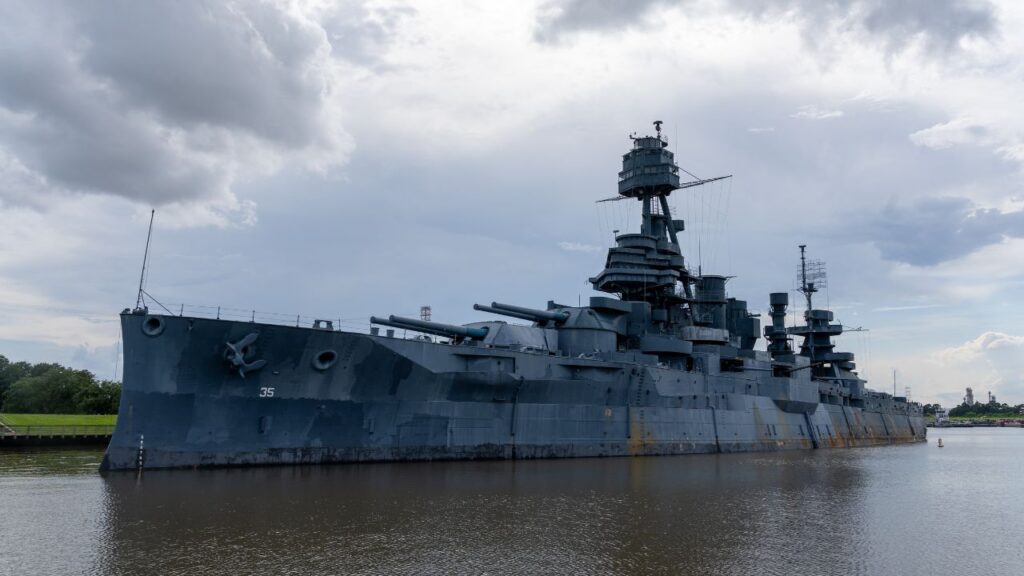
However, the reintroduction of battleships is not without significant challenges. One of the primary concerns is their vulnerability to modern threats such as anti-ship missiles and submarines. These threats could potentially neutralize the advantages offered by battleships, making them less effective in certain combat situations. Evaluating the reactivation potential of battleships requires a thorough understanding of these modern threats.
Additionally, logistical and operational constraints must be considered. The size and weight of battleships necessitate specialized port facilities and infrastructure, which may not be readily available. Furthermore, training a crew to operate such complex machinery presents its own set of challenges. These factors contribute to the skepticism surrounding the practicality of reintroducing battleships in the current naval landscape.
International Perspectives and Future Outlook
Internationally, the concept of large surface combatants is being approached with varying levels of enthusiasm. While some nations remain focused on smaller, more agile vessels, others are exploring the potential of integrating advanced technologies into larger ships. For instance, discussions in South Korea on naval expansion reflect a broader trend of reevaluating surface ship strategies.
Looking forward, future technological developments such as energy weapons and advanced propulsion systems could further influence battleship viability. These innovations might mitigate some of the current limitations, making battleships a more attractive option for modern navies. As technology continues to evolve, the possibility of a battleship revival remains an intriguing topic for military strategists and defense industries worldwide.