
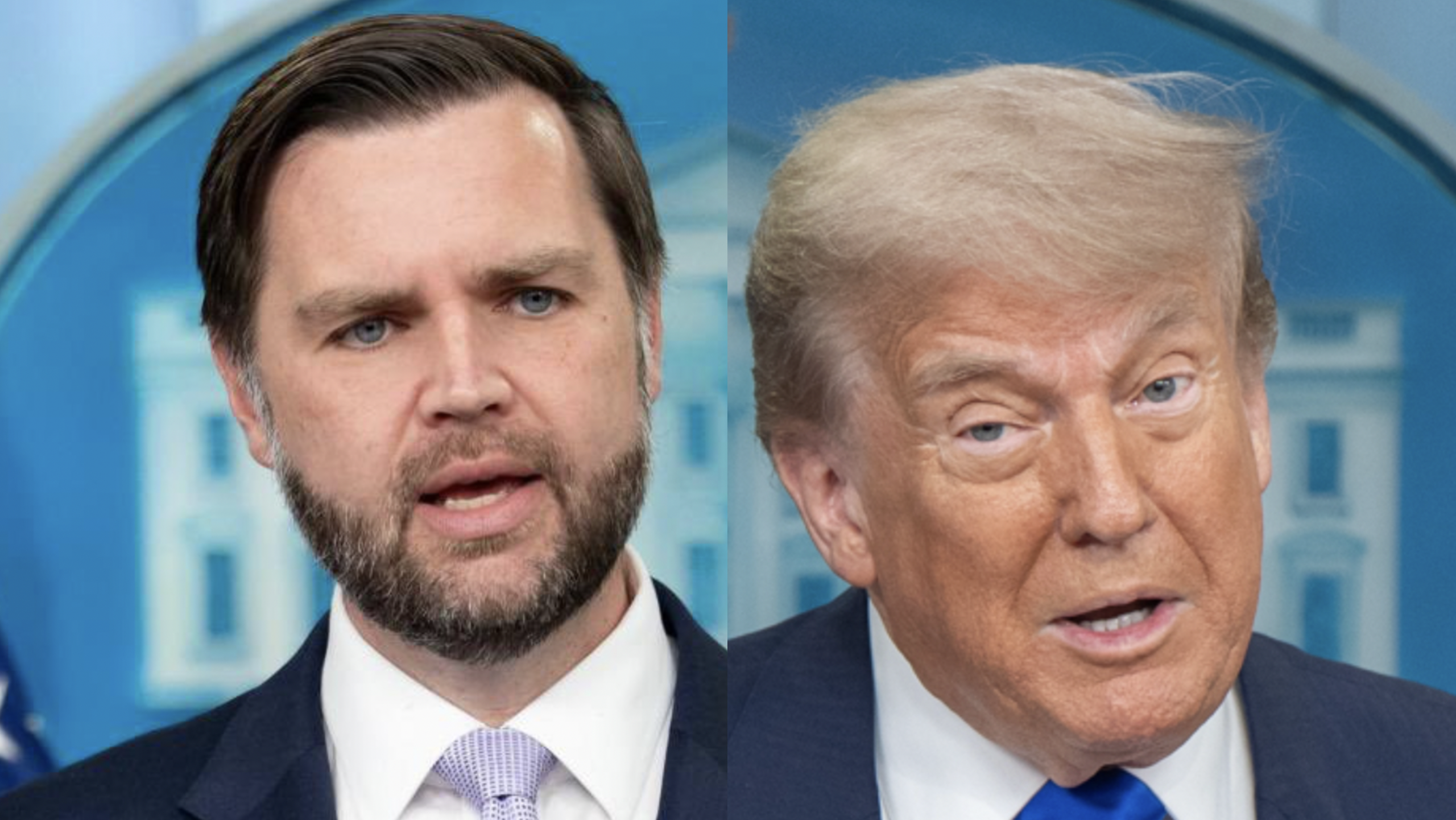
WASHINGTON — Vice President JD Vance on Friday turned the Iran deal debate into a mirror, holding it up to the faces of critics he says praised President Donald Trump as a transformational, historic leader just weeks ago — only to reverse course the moment unconfirmed reports about a potential agreement started circulating.
In a post on X at 10:00 a.m. on June 12, 2026, Vance addressed what he characterized as a flood of “fake information” surrounding the emerging U.S.-Iran deal, and in doing so, made a pointed case for Trump’s place in history. The vice president’s full post laid out the administration’s position in unmistakable terms.
“I’m seeing a lot of fake information about a potential deal to reopen the Strait and end Iran’s nuclear weapons program,” Vance wrote. “First, the Iranians are not receiving any cash, and no funds are being released for simply signing a deal or attending a meeting. The deal is structured to ensure that the US and its allies concerns are prioritized, and that if the Islamic Republic of Iran meets its obligations, then economic benefits will flow to them and to the entire region. This deal has the potential to remake the region and lead to lasting peace. I’ve noticed a couple of bizarre things in the reporting over the last few hours. First, people who (rightly) said Donald Trump was a historic president a month ago now criticizing a deal based on unconfirmed media reports. Second, people who say you can’t trust a word said by the IRGC who apparently believe anonymously sourced social media posts. The president is going to get us a good outcome, one way or the other.”
That word “rightly” is doing significant work. Vance was not defending Trump in passing — he was reasserting a central conviction of the administration: that Trump’s conduct of the Iran conflict, from the military strikes that decimated Iran’s conventional forces to the diplomatic pressure that brought Tehran’s leadership to the negotiating table, represents a genuinely historic achievement, regardless of how the final deal is written.
The argument carries weight when measured against the events of the past several months. U.S. actions over the course of the conflict had, by late May, reopened the Strait of Hormuz, severely weakened Iran’s conventional military capabilities, and positioned the United States to significantly delay Tehran’s nuclear program — three objectives that previous administrations had attempted and failed to achieve simultaneously. Vance had made these points explicitly to reporters at Joint Base Andrews in late May, framing them as landmark strategic accomplishments.
Then came the night of June 11, when Trump posted one of the most consequential statements of his presidency. With strikes on Iran already in motion — the U.S. military was approximately three hours from launching missiles inside Iran when Trump posted his announcement — the president halted the operation and declared a deal was at hand. “Based on the fact that discussions with the Islamic Republic of Iran have been brought to the highest level of Iranian leadership and approved, I have, as President of the United States of America, cancelled the scheduled strikes and bombings against Iran this evening,” Trump wrote, listing more than a dozen nations that had signed off on the framework, from Israel and Saudi Arabia to Turkey, Pakistan and Egypt. “The Naval Blockade will remain in full force and effect until this Transaction is finalized — Time and place of the signing to be announced shortly.”
It was that announcement, and the chaotic media coverage that followed, that prompted Vance’s Friday morning broadside. The vice president’s frustration was directed not at Iran — but at commentators and figures on his own side of the political spectrum who, he implied, had been loudly celebrating Trump’s conduct of the war only to pivot sharply once the prospect of a negotiated settlement emerged.
Trump himself had claimed the emerging deal would ensure Iran “will never have a nuclear weapon, which was the whole purpose of what we went through,” and said the documents were in “pretty final shape.” The president also said he had spoken by phone with numerous regional leaders, including Israeli Prime Minister Benjamin Netanyahu, as the framework came together. Those details, in Vance’s framing, represent the work of an administration that has navigated a war, sustained a naval blockade, managed a fragile ceasefire and now stands on the edge of a diplomatic agreement that no predecessor came close to achieving.
A Trump administration official confirmed to TIME magazine that under the terms of the agreement, all nuclear material would be destroyed, removed, and any nuclear program dismantled, with Iran also agreeing to cease funding terrorist proxy groups across the Middle East. Those conditions, if enforced, would represent a fundamental transformation of Iran’s regional posture — and a vindication of the Trump approach of maximum pressure followed by conditional diplomacy.
Vance’s second “bizarre” observation in the post targeted what he described as a logical inconsistency: critics who routinely dismiss anything said by Iran’s Islamic Revolutionary Guard Corps as untrustworthy were nonetheless accepting and amplifying anonymously sourced social media posts contradicting the U.S. position on the deal’s terms. The IRGC itself had issued a statement casting doubt on Trump’s deal announcement, while Iranian state media circulated alternative versions of the agreement’s terms — claims that Trump dismissed as bearing “no relation to the truth.”
The “historic president” framing is not incidental to Vance’s political standing.Vance won the 2026 CPAC straw poll with 53% support, reinforcing his status as the leading Republican contender for 2028. His willingness to publicly and forcefully defend Trump’s foreign policy record — not just as a matter of loyalty, but as a matter of documented fact — has become a defining feature of his political brand.
Vance has also said he believes Iran’s system simply takes a long time to reach internal consensus, pushing back on suggestions that Tehran was stringing the Trump administration along. That patience, calibrated with the ever-present threat of resumed military action, has been the hallmark of the administration’s approach since the conflict began.
For Vance, the message of Friday’s post was twofold: the deal being negotiated is structured, performance-based, and protective of American and allied interests — and the president overseeing that negotiation has already earned the title of “historic,” regardless of what unnamed sources tell the press. “The president is going to get us a good outcome, one way or the other,” Vance wrote, in a closing line that doubled as both a promise and a warning.