

Ask firearms instructors what pistol a new shooter should buy and they will smile politely, mention “mission drives gear,” and then change the subject faster than a rookie drops a slide stop. Off the record, though, the same people who watch students fumble magazines for a living have very specific ideas about what actually works, what gets people killed, and what quietly gathers rust in a duty holster. The gap between the official line and the whispered recommendations is where the real guidance lives, shaped by training standards, horror stories, and the kind of experience you only earn by watching thousands of rounds go somewhere other than the X‑ring.
Those private preferences are not about brand loyalty or social media clout, they are about which pistols help ordinary humans survive bad days and pass mandatory courses without needing a spiritual connection to their front sight. From basic academy manuals to advanced law enforcement classes, the pattern is clear: instructors favor handguns that are boringly reliable, simple to run under stress, and compatible with the kind of training that actually sticks in a student’s brain.
What instructors really care about when they say “it depends”
When an instructor dodges the “best pistol” question, it is not because there is a secret Illuminati gun list, it is because they are thinking about policy, liability, and whether the shooter can keep all ten fingers. Formal programs spell this out bluntly, requiring trainees to identify the specific firearms and ammunition that their agency authorizes before they ever start slinging lead. In one basic course manual, the first order of business is making sure students know exactly which pistols and calibers are allowed for duty use, a reminder that the “right” handgun is often the one that fits inside a binder of regulations rather than a YouTube comment thread.
Advanced instructor schools push that same seriousness, just with more bruises and longer days. A law enforcement pistol course that runs for multiple days, for example, expects students to show up with a serviceable duty handgun, quality ammunition, and the ability to keep that setup running through long strings of fire. The curriculum leans on fundamentals like safe handling, consistent presentation from the holster, and problem solving under pressure, which quietly filters out finicky designs and oddball calibers. Instructors who live in that world quickly learn to favor pistols that feed common duty ammunition, tolerate rough handling, and keep chugging when the shooter is tired, sweaty, and one bad rep away from a negligent discharge.
The pistols that make instructors nervous
If you want to know what instructors actually think, listen to what makes them wince. Stories from the training range include revolvers so neglected they rusted into their holsters, “one-shot” SWAT 1911 pistols that choke after a single round, and detectives who load whatever ammunition they find in a desk drawer. Those are not campfire tales, they are real examples of how complicated or poorly maintained guns turn into paperweights at the exact moment someone needs them to work. When an instructor has watched a supposedly elite pistol fail in front of a class, it is no surprise that their private advice tilts toward simpler, more forgiving designs.
Bad instruction magnifies bad gear. Some trainers brag about carrying a particular Colt as if the logo on the slide is a substitute for teaching students how to clear malfunctions or choose a safe holster. Others demonstrate such shaky gun handling that they become cautionary examples in their own right, the kind of people who talk confidently about “stopping power” while ignoring basic safety rules. Videos dissecting these “downright dangerous” instructors highlight everything from sloppy muzzle discipline to bizarre myths about what happens when ammunition cooks off in a fire. When that is the competition, the quiet professional who recommends a plain, reliable pistol and a sturdy holster starts to look like a revolutionary.
Why “boring and reliable” beats “tactical and temperamental”
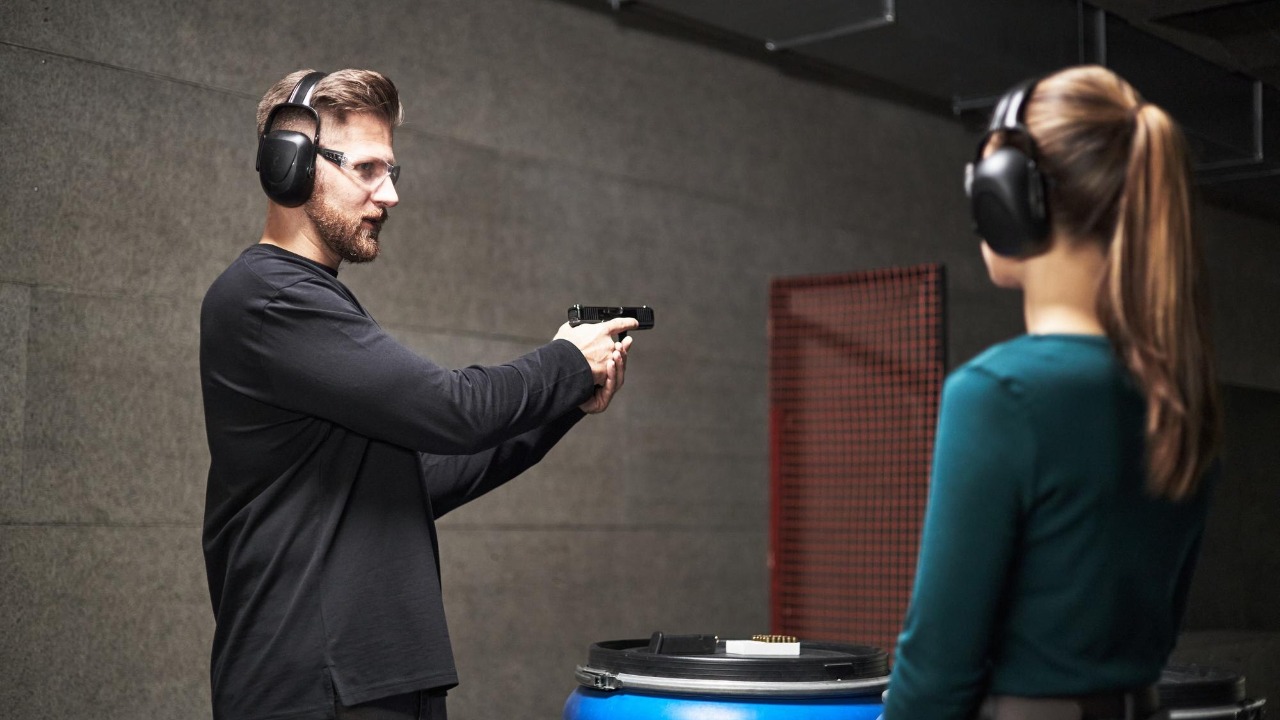
Behind closed doors, many instructors admit they would rather see a student show up with a plain polymer pistol that works every time than a custom race gun that needs its own pit crew. The logic is simple. Under stress, shooters revert to their lowest level of training, not their highest Instagram setting, so the pistol should be easy to load, easy to shoot, and easy to keep running. Longtime gunfighters like Jim Cirillo, whose work has been chronicled in detail, favored techniques and equipment that held up in close quarters, including methods that used the silhouette of the weapon itself when sights were hard to see. That kind of experience tends to favor pistols with clear controls, manageable recoil, and sights that are visible in less-than-ideal light.
Modern training reinforces the same priorities. Instructors who focus on decision making under pressure design live fire drills that force students to think, move, and process information instead of simply chasing tiny groups on paper. Guidance for these programs explicitly warns against chasing short term performance at the expense of long term skill retention, urging trainers to build scenarios that mimic real-world stress. Pistols that are overly heavy, have complicated manual safeties, or require delicate manipulation do not fare well in that environment. The guns that rise to the top are the ones that let shooters focus on judgment and fundamentals rather than wrestling with the hardware.
The off‑duty and concealed carry reality check
When the conversation shifts from duty belts to concealed carry, instructors quietly adjust their recommendations, but the core principles stay the same. For a new owner who just bought a handgun for personal defense, the best pistol is usually the one they can actually carry, draw, and shoot consistently, not the one that wins arguments on a forum. Practical advice for these shooters emphasizes handling the carry pistol daily, even if it is only for ten minutes of safe dry practice, and pairing that with regular live fire. That routine favors compact, striker fired pistols with decent triggers and manageable recoil, the kind of guns that do not punish the shooter for practicing.
Maintenance and familiarity matter as much as the initial choice. Guidance for new handgun owners stresses that skill is perishable and that a pistol requires ongoing care to remain trustworthy. Instructors see the consequences when people treat their carry gun like a fire extinguisher, something to be bought once and then forgotten in a closet. The off the record advice tends to be blunt: pick a pistol you can afford to feed with quality ammunition, one that fits your hand without acrobatics, and then commit to a schedule of dry and live practice that keeps the controls instinctive. Fancy machining and exotic finishes do not help much if the owner cannot remember how to lock the slide to the rear under stress.
How good instructors quietly steer students toward the right guns
The best instructors rarely hand out shopping lists, they shape behavior. In classes that emphasize cognitive load, students are pushed to make shoot or no shoot decisions, process verbal commands, and adapt to changing conditions while still running their pistols safely. Training material on adding decision making to live fire drills urges instructors to prioritize long term retention, which naturally rewards pistols with intuitive controls and consistent triggers. After a day of watching students fumble with tiny safeties or struggle to rack stiff slides, a trainer does not have to say “buy this model” for the class to understand which designs are helping and which are hurting.
They also model what right looks like. When a seasoned instructor runs a simple duty pistol through hundreds of rounds without drama, clears malfunctions efficiently, and keeps their focus on tactics rather than gear, students notice. By contrast, when a trainer spends half the day tinkering with a temperamental custom gun or bragging about a particular Colt while their own accuracy falls apart, that sends a different message. Commentary on spotting bad instructors warns students to be wary of anyone whose ego is louder than their safety brief, a reminder that the person behind the gun is as important as the gun itself. In that environment, the quiet, reliable pistol becomes part of a larger culture of competence rather than a fashion statement.
The unglamorous truth instructors share after class
Once the brass is swept and the paperwork is done, the candid conversations start. Instructors who have seen revolvers rust into holsters and “one-shot” SWAT pistols fail in training tend to recommend handguns that can survive neglect without turning into a liability. They talk about students who show up with bargain-bin holsters that collapse when reholstering, or with ammunition of dubious origin that causes constant stoppages. They point back to academy requirements that force trainees to know exactly which firearms and ammunition are authorized, not because bureaucracy is fun, but because standardization keeps people alive when everything else is going wrong.
Those same instructors usually circle back to the unglamorous basics: pick a pistol that fits your hand, feeds quality ammunition, and has controls you can run in the dark; invest in a decent holster that covers the trigger; and then train in a way that stresses decision making, not just marksmanship. They cite programs that integrate cognitive drills into live fire, historical lessons from people like Jim Cirillo who survived real gunfights, and practical guidance for new handgun owners that emphasizes daily handling and regular practice. The off the record consensus is not a single make or model, it is a type of pistol and a way of using it: simple, reliable, and backed by training that treats the shooter’s brain as the most important safety feature in the room.