

Every shooter has a favorite caliber, but seasoned hands also have a short list of rounds that simply do not live up to the marketing. When real-world performance, recoil, cost, and availability are stacked against the hype, certain cartridges start to look less like must‑haves and more like expensive detours. The most overrated calibers are not necessarily bad, they are just outclassed by quieter workhorses that do the same jobs with fewer trade‑offs.
From tiny varmint rounds to hard‑recoiling magnums and polarizing handgun choices, experienced hunters and defensive shooters increasingly agree that some popular chamberings promise more than they deliver. Their verdicts, backed by ballistic data and field reports, show a pattern: cartridges that chase niche advantages or clever marketing often end up complicating simple tasks that older, proven rounds already handle well.
Varmint darlings that fall apart in the wind
Small‑bore cartridges have a devoted following, but many high‑volume varmint shooters quietly admit that the .17 crowd is more fragile in the field than its reputation suggests. The ultra‑light bullets that make these rounds so flat at close range are also what make them drift badly in even modest crosswinds, which can turn a seemingly easy shot into a frustrating miss. That is why some experienced riflemen now group the .17 HMR, .17 WSM, and similar rounds together as Most Overrated Cartridges, describing “All of Them” as fun but finicky tools rather than reliable problem‑solvers.
In practice, the same shooters often drift back to slightly larger rimfires or light centerfires that carry more weight and energy downrange. A .22 WMR or .223 Remington, for example, tends to shrug off wind better and hits with more authority on small game, which matters when humane kills are the priority instead of paper ballistics. The .17s still have a place for close‑range pest control and novelty value, but the gap between their glossy marketing and their real‑world limitations is exactly what pushes many experienced hunters to label them overrated rather than indispensable.
Handgun compromises that never quite worked
Among defensive handguns, few debates are as heated as the one over mid‑bore service calibers, and the .40 S&W sits right at the center of that storm. Developed as a compromise between 9mm capacity and 10mm power, it was supposed to deliver the best of both worlds. Instead, many instructors and armorers now describe it as a cartridge that kicks harder than a 9mm for only a marginal gain in performance, a criticism echoed by experts who call the .40 Smith & Wesson a poor return on investment. As modern 9mm loads have improved, the original justification for the .40 has eroded, and agencies that once adopted it have quietly moved back to the smaller round.
The same pattern shows up with other “in‑between” handgun calibers that looked brilliant on paper but never earned lasting loyalty on the range. The .357 Sig is a prime example: it was engineered to mimic magnum revolver performance in a semi‑auto package, yet many shooters found the extra blast and recoil did not translate into practical advantages. One detailed breakdown of overrated rounds notes that the 357 Sig is “a great idea on paper” but that “In the real world, nobody cares,” pointing to limited manufacturer support and lukewarm adoption as proof that the market has largely moved on. In both cases, the lesson is similar: when a handgun caliber adds cost and recoil without a clear, everyday benefit, experienced carriers tend to walk away.
Magnum rifle rounds that promise more than they deliver
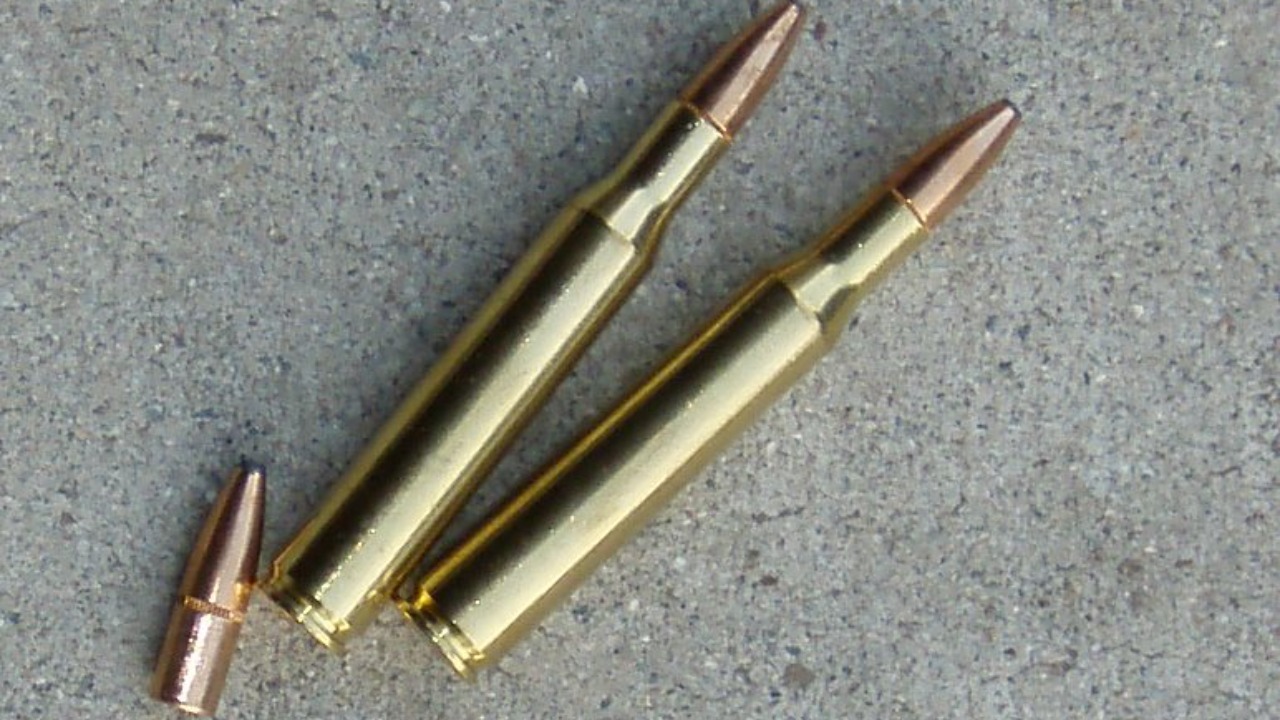
On the rifle side, magnum branding still sells rifles, but many veteran hunters now question whether the extra blast and recoil are worth it for typical big‑game distances. The 7mm Remington Magnum is a classic case: it offers impressive ballistics on paper, yet in the field its real‑world performance on deer‑sized game is often hard to distinguish from older standbys like the .270 Winchester. Detailed critiques of overrated rifle rounds point out that the 7mm Mag’s supposed edge over the 9mm of rifle hunting cartridges is mostly theoretical, and that it belongs on short lists of Top 5 Overrated Rifle Cartridges because it adds recoil and ammunition cost without transforming what hunters can realistically do in the field.
Short‑action magnums have attracted similar skepticism. The .300 Weatherby Magnum, for instance, delivers serious power, but it also brings punishing recoil and muzzle blast that many shooters never fully master. Critics note that while Roy Weatherby’s vision of high‑velocity hunting had its place, the 300 Weatherby Magnum sits in a crowded field of .30‑caliber options that kill game just as cleanly with less drama. When a cartridge demands meticulous rifle setup, expensive ammunition, and a high tolerance for recoil, yet delivers only marginal gains over more forgiving rounds, seasoned hunters increasingly see it as a niche choice rather than a universal upgrade.
Deer cartridges that outkick their actual advantage
Few topics stir more campfire debate than which deer cartridge is “best,” but a growing number of guides and ballistics‑minded hunters argue that some of the most popular choices are simply more gun than the job requires. One widely discussed analysis singles out a beloved big‑game round as the most overrated deer option of the modern era, arguing that its energy and trajectory advantages are largely academic inside typical whitetail distances. In that breakdown, the author even frames the argument as “The Most Overrated Hunting Cartridge (Prove Me Wrong),” a challenge that has circulated widely since it appeared in late Aug and sparked a fresh round of data‑driven comparisons.
Those comparisons often rely on hard numbers rather than nostalgia. One detailed “Overkill” table lists a popular Cartridge and tracks the exact Distance Bullet Dips Below 1,000 foot‑pounds of energy, then compares that figure to milder rounds that still “get the job done” on deer. The takeaway is blunt: for the ranges where most hunters actually shoot, cartridges like the .30‑06 or various magnums often deliver more recoil and muzzle blast than practical benefit. Meanwhile, moderate rounds such as the .308 Winchester or 6.5 Creedmoor produce similar terminal results with less punishment, which is why many guides now quietly recommend them over the traditional heavy hitters for everyday deer hunting.
Hyped specialty rounds that never became generalists
Some calibers were never meant to be all‑rounders, yet marketing and internet chatter have tried to turn them into exactly that, with mixed results. The 300 Blackout is a textbook example. Designed to shine in suppressed, short‑barreled rifles, it excels with subsonic loads in very specific roles. Problems arise when shooters try to stretch it into a general hunting or long‑range cartridge, where its modest case capacity and bullet weight become hard limits. One veteran writer who evaluated deer rounds bluntly stated that he has “never believed the hype” around the 300 Blackout, arguing that while it can work with careful setup, hunters are usually better served by more traditional choices unless they have a very specific need for its suppressed performance.
That same skepticism extends to other niche designs that tried to ride trends rather than solve broad problems. Lists of overrated cartridges often group together rounds that were heavily promoted for tactical or long‑range roles but never offered a clear advantage over existing standards once the novelty wore off. In each case, the pattern is familiar: a cartridge is launched with bold claims, early adopters rush in, and then, over time, working guides, competitive shooters, and high‑volume hobbyists quietly migrate back to simpler, better‑supported options. When the dust settles, the calibers that remain in wide use are usually the ones that balanced recoil, cost, and effectiveness from the start, while the hyped specialists settle into narrow roles that match their original design rather than their marketing.
How experienced shooters separate hype from value
Across all of these examples, the shooters who call a caliber overrated are not dismissing its ability to work, they are questioning whether it works any better than what they already trust. Real‑world users tend to judge a cartridge by how easily they can find ammunition, how manageable the recoil feels in a realistic shooting session, and how consistently it performs on the animals or defensive scenarios they actually face. When a round demands more money, more blast, or more finicky setup for only a sliver of theoretical gain, it quickly lands on the “nice to try, not to keep” list among experienced hands.
That is why the same names keep surfacing whenever hunters and defensive shooters compare notes on overrated calibers. From the fragile .17s that struggle in the wind, to mid‑bore handgun rounds like the .40 S&W and 357 Sig that never fully justified their compromises, to magnum rifle cartridges that outkick their real‑world advantage, the verdict is consistent. The most trusted calibers are rarely the flashiest or newest. They are the ones that quietly deliver repeatable results, season after season, without asking shooters to buy into promises that only look impressive on a ballistics chart.