
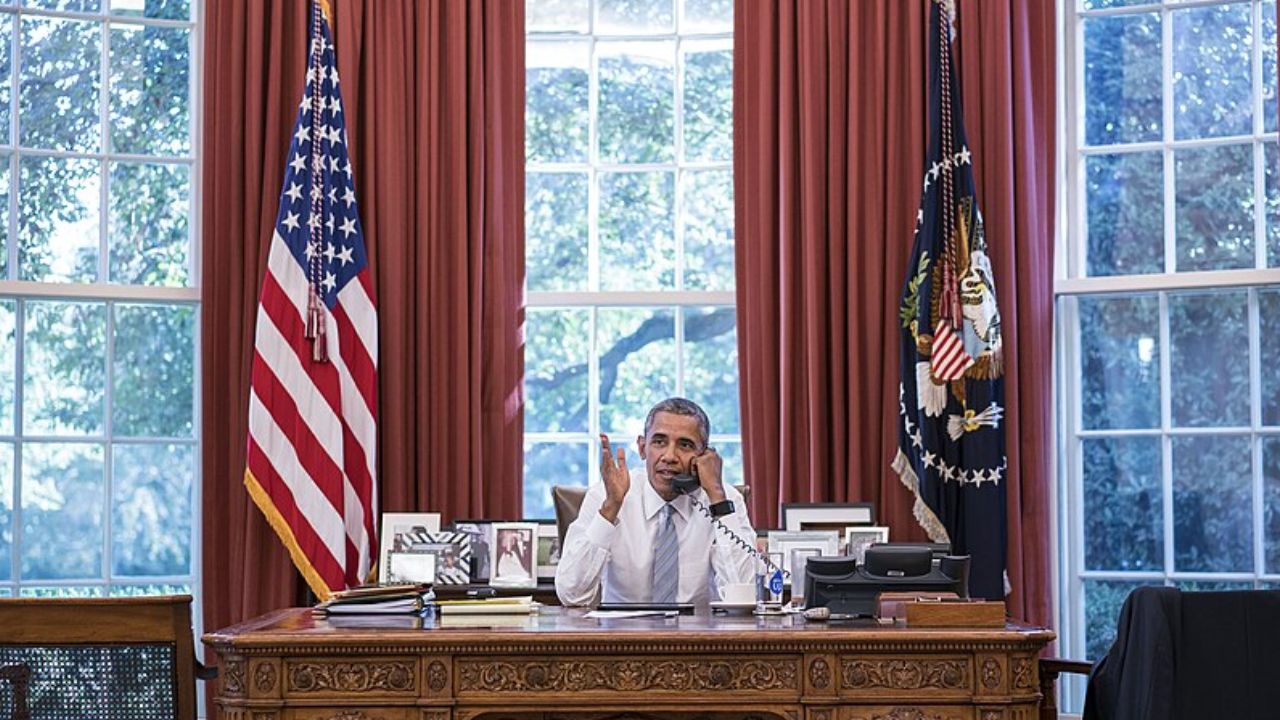
When Barack Obama took the oath of office in January 2009, the economy wasn’t just wobbly—it was in free fall. Banks were teetering, credit had basically frozen, and millions of families were watching jobs and home values disappear at the same time. The new president inherited a crisis that didn’t politely wait its turn behind other priorities. It jumped to the front of the line and stayed there.
That’s why so much of Obama’s presidency, especially the early years, reads like a long, high-stakes effort to stop the bleeding and then slowly rebuild. Every major decision—what to spend political capital on, which battles to pick, how fast to move—was shaped by one underlying question: how do you get an economy back on its feet without tipping it into something worse?
A presidency that began in emergency mode
The Great Recession had already started before Obama arrived, but the sharpest panic hit in late 2008 and early 2009. Businesses were cutting payrolls, consumers stopped spending, and state governments faced brutal budget holes. The White House wasn’t walking into a normal “first 100 days” agenda; it was walking into an economic fire drill.
That urgency influenced not just what Obama did, but how he did it. Speed mattered, because delayed action risked deeper layoffs and more failing firms. At the same time, moving fast meant accepting imperfect choices—something critics would later seize on, and supporters would sometimes grimace about, too.
The big bet: stimulus spending and the fight over size
One of the first major actions was the American Recovery and Reinvestment Act, the 2009 stimulus package. It combined tax cuts, aid to states, infrastructure spending, and investments in areas like energy and education. The goal was straightforward: inject demand into the economy and prevent the downturn from turning into a depression.
The politics were anything but straightforward. Many Republicans argued the plan was too expensive and wouldn’t work as promised, while some Democrats and economists worried it was too small for the scale of the collapse. Obama’s team landed on a compromise sized to pass Congress, and the debate over whether it should’ve been larger lingered for years—almost like the economic version of “should we have packed a bigger umbrella?”
Rescuing the auto industry, and why it mattered
Then came the auto industry. General Motors and Chrysler were on the brink, and the administration backed a rescue that included bankruptcy restructuring, federal loans, and tough negotiations. It was controversial—government helping private companies rarely wins universal applause—but the administration argued that letting the industry fail would have crushed communities and supply chains across the Midwest and beyond.
In hindsight, the auto rescue became one of the administration’s clearest “results” stories. The companies survived, jobs were preserved, and the broader manufacturing ecosystem avoided a massive shock. Still, it reinforced a theme that would follow Obama: recovery policy often meant choosing the least-bad option, not a perfect one.
Dodd-Frank and the push to rewrite the rules
Stabilizing the economy wasn’t only about spending; it was also about preventing a repeat. That’s where the Dodd-Frank financial reform law of 2010 came in. It created new oversight tools, including the Consumer Financial Protection Bureau, and aimed to rein in risky behavior that had helped fuel the crash.
Supporters saw Dodd-Frank as overdue guardrails for Wall Street, especially for mortgages and consumer lending. Critics said it burdened banks with red tape and didn’t fully address the “too big to fail” problem. Either way, it showed how the recovery wasn’t just a short-term project—it was a multi-year attempt to redesign parts of the financial system while the country was still angry and anxious.
Jobs: the metric that kept the pressure on
For most people, the recovery wasn’t measured in bond spreads or bank stress tests. It was measured in jobs. Unemployment climbed above 10% in 2009, and even as the economy technically began growing again, hiring remained sluggish for a long time.
That slow comeback shaped the public mood and the politics around Obama. The administration pointed to indicators like steady private-sector job growth in later years, but many families experienced the recovery as uneven and delayed. It’s hard to sell “we avoided catastrophe” when what you really want is a paycheck that feels secure.
The politics of austerity, debt ceilings, and constant negotiating
The recovery also collided with a fierce argument about deficits and debt. After the stimulus and other crisis-era spending, federal deficits rose sharply, and the backlash helped fuel the Tea Party wave that swept Republicans into control of the House in 2010. From that point on, economic policy was negotiated in a tight corridor, with Congress and the White House often locked in standoffs.
The debt ceiling fights became the most dramatic example. In 2011, a showdown over raising the borrowing limit brought the government close to default and led to a major budget deal with spending caps. The uncertainty rattled markets and downgraded the U.S. credit rating, a reminder that even during recovery, politics could create its own kind of economic risk.
Housing and the long shadow of foreclosures
If there was a part of the crisis that refused to wrap up neatly, it was housing. Millions of homeowners were underwater, foreclosures rolled through neighborhoods, and the damage to household wealth was deep. The administration supported programs intended to help homeowners refinance or modify mortgages, but the results didn’t match the scale of the problem.
Some borrowers got relief, and the housing market eventually stabilized, but many people felt the system moved faster to protect banks than to protect families. That perception mattered politically, and it added a layer of skepticism to the broader recovery narrative. A rebound in the stock market is nice, but it doesn’t replace a lost home.
Why the recovery shaped everything else on Obama’s agenda
The recovery didn’t just dominate economic policy; it shaped what was possible across the board. Major priorities like health care reform were pursued in the shadow of recession, with arguments about costs and deficits never far away. Even when the administration tried to pivot to other issues—climate, immigration, education—the economy kept pulling attention back, like a loud neighbor who won’t stop knocking.
And politically, the slow pace of improvement affected trust. Obama often framed his approach as pragmatic and steady, but opponents painted it as ineffective or too interventionist, depending on the day. The recovery was a real-world scoreboard, updated monthly, and it influenced everything from midterm results to the tone of presidential speeches.
A recovery that arrived, but not evenly
By Obama’s second term, the economy had clearly improved by many standard measures: unemployment fell, growth returned, and the financial system was more stable than it had been in 2009. But the gains didn’t reach everyone at the same speed, and wage growth was muted for many workers. That unevenness helped set the stage for the political frustrations that followed in the years after he left office.
In the end, the financial recovery wasn’t a single policy or a tidy turnaround story. It was the central current running through Obama’s presidency—shaping his choices, constraining his ambitions, and defining how millions of Americans judged whether government could still solve big problems. If you want to understand the Obama years, you can’t really start anywhere else.