
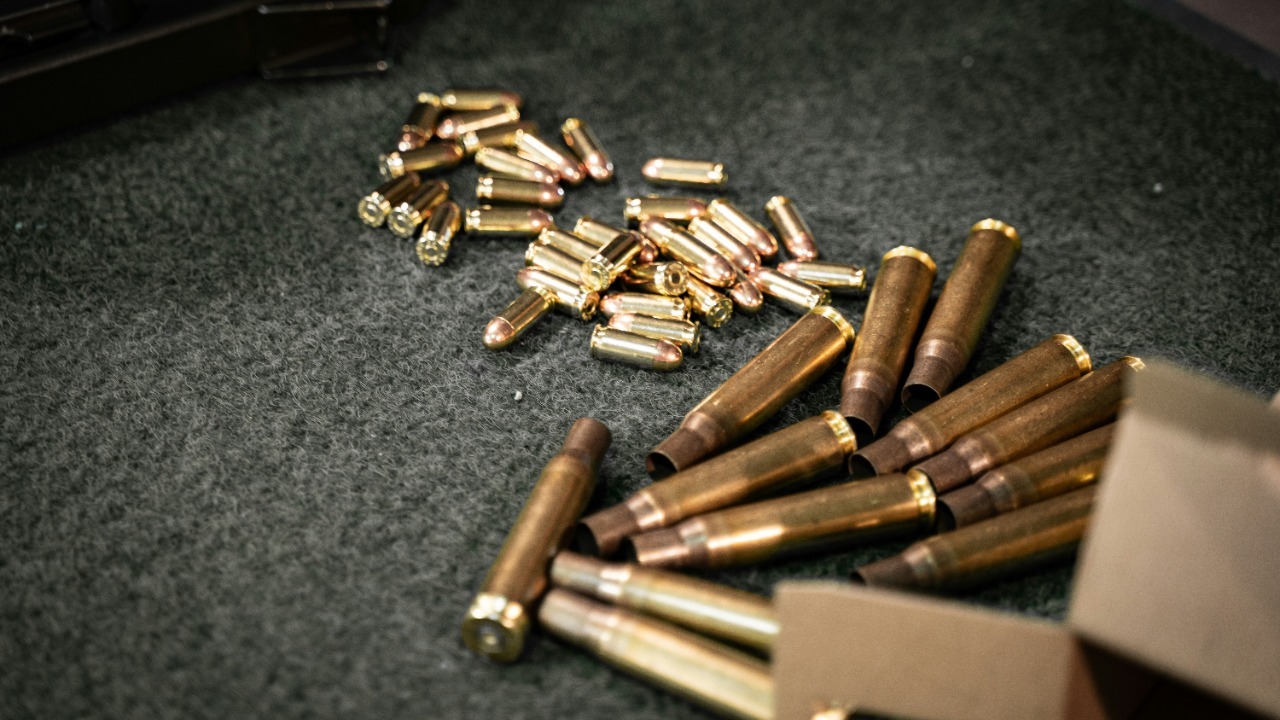
Professionals who live or die by their choice of cartridge, sometimes literally, tend to be far less swayed by marketing than the rest of us. Whether they are precision rifle shooters, special operations veterans, or permanent makeup artists trying not to tattoo someone’s eyebrow into next week, their favorite cartridges are usually chosen quietly, tested brutally, and defended with the calm intensity of someone who has already made all the expensive mistakes.
When you look closely at what these people actually load, snap into a machine, or mount on a tonearm, a pattern appears. The cartridges they rely on are rarely the flashiest or newest, but they solve specific problems with boring consistency: recoil, reliability, hygiene, or sound quality. The result is a short list of unassuming workhorses that professionals keep reaching for while the rest of us argue on the internet.
Why pros obsess over “boring” rifle cartridges
In precision rifle circles, the cartridge you pick quietly dictates everything from how long you can train to how many targets you actually hit. Competitive shooters in The Precision Rifle Series have steadily migrated away from big, punishing rounds toward smaller, more efficient calibers that let them stay on the gun longer and spot their own impacts. Earlier generations of retired military shooters leaned heavily on the .308, but as PRS evolved and bullet technology improved, the field shifted toward cartridges that offer a high ballistic coefficient with less recoil and better barrel life.
The data from top competitors is blunt about what works. One survey of what the best shooters actually run found that a single cartridge family accounts for 46% of the field in PRS style matches, a dominance that does not happen by accident. Those shooters are chasing the same traits that long range hunters want from modern designs like the 7mm PRC, which is described as a Precision Rifle Cartridge built to stretch distance while keeping recoil manageable and trajectory predictable. The broader industry is moving in the same direction, with analysts noting a shift to low recoiling cartridges that let people spend more time at the range as optics and bullet design pick up more of the performance slack.
The quiet rise of subsonic and specialized loads

Outside the competition world, another group of professionals has fallen for cartridges that are literally quiet. Subsonic rifle ammunition trades raw speed for stealth, staying below the speed of sound so there is no supersonic crack to give away the shot. To make that work, designers compensate for the lower velocity with heavier bullets, which is why cartridges that can launch long, large diameter projectiles, such as .30 caliber options, tend to dominate this niche. Those heavy bullets need careful stabilization at subsonic speeds, so the rifles and loads are tuned together rather than slapped together from whatever is on sale.
Cartridges like the .300 Blackout show how this plays out in practice. A typical subsonic load might use a 208 grain bullet that moves slowly enough to stay quiet through a suppressor but still hits much harder than a rimfire round. That combination of discretion and usable energy has made subsonic cartridges attractive to military and law enforcement units that want to reduce signature without giving up effectiveness, as well as to civilian shooters who value their hearing and their neighbors. It is not glamorous, but it is the kind of incremental, purpose built performance that professionals tend to favor once the novelty of raw muzzle velocity wears off.
Permanent makeup artists and the cartridge that saves your face
On the other end of the seriousness spectrum, but with equally high stakes for the person in the chair, permanent makeup artists talk about cartridges with the same intensity as snipers. Experienced PMU trainers point out that the cartridge you start with quietly decides your learning curve, because a stable, predictable needle setup makes it much easier to control depth, pigment flow, and trauma to the skin. When artists finally switch to a well engineered cartridge, their mistakes drop sharply, not because their hands suddenly got steadier, but because the hardware stopped fighting them.
Health and hygiene sit right alongside performance in this world. Professionals stress that Health is not something they take lightly, and Modern cartridges are designed so that after the procedure, the entire unit is disposed of to protect both client and artist. Guides for PMU cartridges hammer the same point, with Pro level advice that Health, hygiene, and safety must come first while shopping for needles, and that the cartridge body should lock securely into the machine or grip to prevent contamination. Some budget friendly needle brands are praised for being easy to rinse and reuse in tightly controlled studio settings, but the underlying message from working artists is consistent: a slightly more expensive, well sealed cartridge is cheaper than a single infection or a botched brow.
Printer pros and the unglamorous case for OEM cartridges
If you want to see quiet cartridge loyalty in its purest, least romantic form, talk to the person who has to keep an office printer fleet alive. The people who sign the repair bills tend to favor OEM cartridges, even while they complain about the price, because They know those OEM designs went through complex manufacturing processes and heavy research costs before they ever hit the shelf. That investment shows up in consistent page yields, accurate color, and a much lower chance that a leaky cartridge will turn a laser printer into a very expensive paperweight.
Technical support teams make a similar argument from the other side of the phone line. They point out that OEM cartridges, because they were designed by the original manufacturer, are much less likely to break a printer or trigger warranty headaches than super cheap knock off ink or toner. Remanufactured and third party options can be attractive for home users who print occasionally, but professionals who rely on predictable uptime usually decide that the extra cost is easier to explain to a manager than a dead machine. It is not a glamorous choice, but it is the kind of risk calculation that quietly shapes what gets ordered on corporate accounts every month.
Why “professional grade” cartridges rarely shout about themselves
Across all these worlds, from PRS firing lines to PMU studios and corporate print rooms, the cartridges that professionals quietly prefer share a few traits. They are designed for a specific job, they tolerate abuse, and they reduce the number of unpleasant surprises in a workday. Long range shooters gravitate toward efficient calibers that let them train longer and hit more, subsonic specialists accept lower velocity in exchange for control over sound and signature, permanent makeup artists pay extra for sealed, hygienic needles, and office managers grit their teeth and order OEM toner because it keeps the printers running. None of these choices are particularly flashy, but they all reflect the same underlying instinct to trade novelty for reliability.
That instinct shows up in the way professionals talk about their gear. Special forces veterans are often described as quiet professionals, and their equipment choices tend to follow the same pattern, favoring proven tools over trendy ones. Vinyl enthusiasts who move from generic cartridges to carefully engineered designs like Ortofon or Denon models often describe a similar shift, where the goal stops being chasing specs and starts being consistent, repeatable performance. In every case, the cartridge is a small, replaceable part that ends up deciding how the entire system behaves, which is why the people who depend on those systems for their reputation, their income, or their safety tend to choose once, test hard, and then stick with what works.