
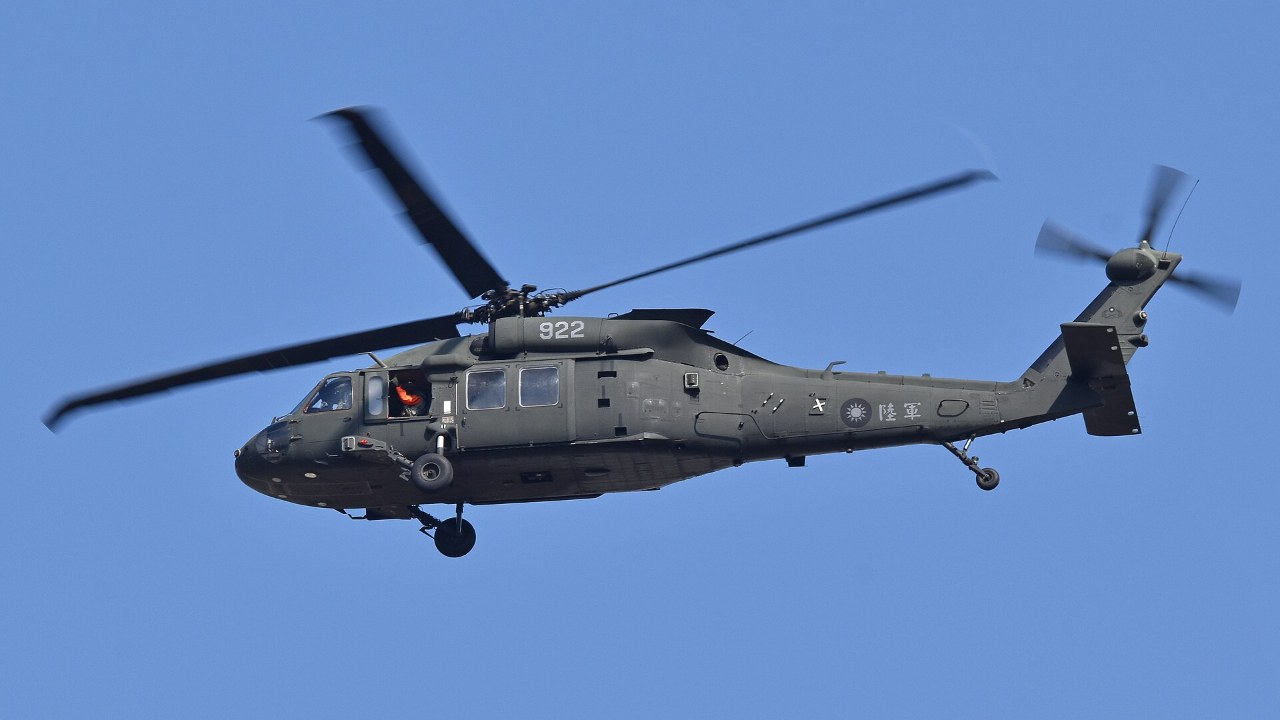
Black Hawk production at Sikorsky will continue under a new kind of Army agreement, one written to grow as orders arrive rather than fixed at a single buy. The first tranche is 16 helicopters for the U.S. Army, with deliveries beginning in 2028, and Sikorsky says it expects the deal to expand by more than 100 aircraft in the coming years.
The helicopter it covers is one of the most heavily used in service anywhere. By Sikorsky’s count, Black Hawks delivered worldwide have logged more than 15 million flight hours, about 5 million of them in combat.
Sikorsky, a Lockheed Martin company, announced the arrangement in a Sept. 30, 2026, release from Stratford, Conn., calling it a Novel Production Agreement that “enables the Army to add aircraft as requirements emerge.” The release states: “The initial agreement covers 16 aircraft for the U.S. Army and is expected to increase by over 100 aircraft in the coming years.” The growth figure is the company’s expectation; the firm commitment described is the first 16.
The structure is aimed squarely at foreign buyers. Sikorsky’s release says the ability to add aircraft “is especially critical for allied nations as foreign military sales cases mature,” and describes the agreement as a vehicle that can support foreign military sales demand. It also says the contract came “earlier than the end of year objective previously published.”
“This agreement turns a partner‑nation decision into aircraft on the ramp faster than conventional procurement allows,” Rich Benton, Sikorsky vice president and general manager, said in the release. Sikorsky says the deal sustains production across its 230-supplier industrial base in 43 states “without interruption.”
The Army’s program office spoke to the aircraft’s long-term place in the force. In the same release, the Army’s utility helicopter project manager said:
“This contract ensures we maintain a ready, modern and survivable rotary‑wing capability for the Army and our allies. The Black Hawk has long been a vital part of the Army and National Guard’s flexibility and will continue to be so for the next half century.” — Col. Ryan Nesrsta, Project Manager for the Utility Helicopters Project Office
Old Black Hawks help pay for the first 16
The money for the initial aircraft comes from two places, according to Sikorsky: Congressional appropriations in fiscal years 2025 and 2026, and revenue from the Black Hawk Exchange and Sales Transaction, or BEST, program. The release gives no dollar value for the agreement.
BEST is an established Army mechanism. A July 25, 2024, Army article on the program explains that it “authorizes the Army to sell used and outdated military equipment and use the proceeds to fund new and improved equipment,” and reports that the Army “has auctioned over 600 flightworthy aircraft to the federal government, civilian buyers and other entities.” Chief Warrant Officer 2 Theresa Perry, logistics management and property book officer at Fort Indiantown Gap’s Army Aviation Support Facility #1, said in that article that the program lets the service “decommission older aircraft that through time have developed airframe fatigue.”
A 1979 airframe still flying toward the 2070s
The Black Hawk’s Army service is now more than four decades long. According to a 2018 PEO Aviation history marking its 40th year, “The first production UH-60A was accepted by the Army in 1978, and entered service in 1979 when it was delivered to aviation components of the 101st and 82nd Airborne Divisions.” The same piece says the aircraft has supported soldiers in “Grenada, Panama, Iraq, Somalia, the Balkans, Afghanistan and throughout the Middle East.”
The fleet-wide figures have kept climbing. Sikorsky’s Sept. 30 release says more than 5,000 Black Hawks “have been delivered to more than 36 allied nations” and have flown over 15 million hours. The company’s Black Hawk product page uses a broader count, more than 5,000 “HAWK aircraft for 36 nations worldwide,” a family whose models listed on that page include the MH-60R Seahawk and MH-60T Jayhawk.
Sikorsky says it is working on a new engine for more horsepower and payload, airframe changes to carry more and fly farther, and launched effects, autonomy and a digital backbone built on a Modular Open Systems Approach. Those are company plans, not fielded capability. Upgrading the existing fleet, the release says, “positions the Black Hawk to operate well into the 2070s.” The first of the 16 aircraft under the new agreement are due in 2028.
Top image: A U.S. Army UH-60M Black Hawk in flight. Image Credit: HawkeyeUK — CC BY-SA 4.0 / Wikimedia Commons
This article was produced with the assistance of AI and reviewed by Combat Rated editors prior to publication.