
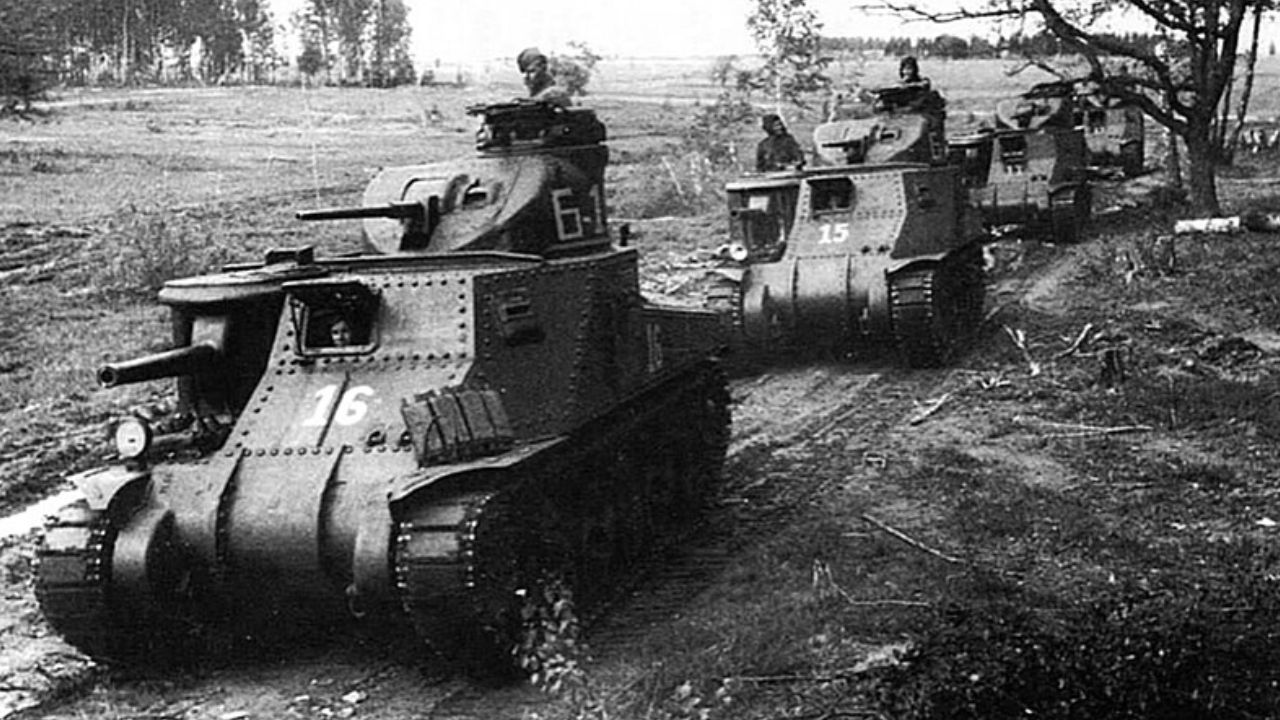
The Battle of Kursk, fought in July and August 1943, was a pivotal moment in World War II, marking the largest tank battle in history. This monumental clash between Nazi Germany and the Soviet Union not only showcased the power of armored warfare but also set the stage for the eventual fate of Europe.
The Strategic Importance of Kursk
Geographic and Operational Significance
The location of Kursk as a salient made it a strategic target for both Nazi and Soviet forces, influencing the military tactics employed. With its bulging front lines, the Kursk salient provided a unique opportunity for the Germans to attempt a pincer movement, aiming to encircle and destroy Soviet forces. This was part of Hitler’s ambitious Operation Citadel, which sought to regain the initiative on the Eastern Front. On the other hand, the Soviets, anticipating the German attack, prepared a robust defense to thwart the Nazi advances and launch a counter-offensive of their own.
As the prelude to the battle unfolded, both sides amassed substantial forces in anticipation of a decisive confrontation. After the German defeat at Stalingrad, Kursk represented a chance for the Wehrmacht to redeem itself. The Soviets, having gained confidence from their victory, sought to capitalize on their momentum by delivering a significant blow to the German military machine. This buildup of forces underscored the high stakes involved, with both sides recognizing that the outcome at Kursk could potentially alter the course of the war.
The Climax of Armored Warfare
Scale and Scope of the Battle
The Battle of Kursk was monumental in scale, involving over 6,000 tanks, 2 million troops, and 4,000 aircraft. The sheer size of the forces committed to the battle made it one of the largest engagements in military history. Among the key days of engagement was the clash at Prokhorovka, which stands out as one of the largest tank battles ever fought. This intense encounter saw thousands of tanks from both sides engage in a ferocious struggle, with the outcome heavily influencing the battle’s direction.
Technological and tactical innovations also played a crucial role in the Battle of Kursk. The Germans introduced new tank models such as the formidable Tiger and Panther tanks, designed to outmatch the Soviet T-34 in firepower and armor. However, the Soviets countered with tactical advancements and ingenious use of anti-tank defenses, including extensive minefields and artillery. These innovations not only shaped the battle’s dynamics but also highlighted the evolving nature of armored warfare during World War II.
Outcome and Consequences
Turning the Tide Against the Axis
The Soviet victory at Kursk marked a decisive shift towards Allied dominance on the Eastern Front. This triumph not only halted the German offensive but also set the stage for subsequent Soviet offensives that would drive the Axis forces westward. The psychological impact of the defeat was profound, affecting both German and Soviet forces and leadership. For the Germans, it was a demoralizing setback, while for the Soviets, it reinforced their resolve to push forward and reclaim occupied territories.
In the long term, the Battle of Kursk had significant implications for Europe. The strategic withdrawal of German forces paved the way for Soviet advances, ultimately leading to the liberation of Eastern Europe. Kursk played a crucial role in shaping post-war European borders and the balance of power. This battle not only marked a turning point in the war but also influenced the geopolitical landscape of the continent, as seen in ongoing conflicts such as in Ukraine.
Legacy of Kursk in Modern Warfare
Lessons for Contemporary Military Strategy
The Battle of Kursk has left an enduring legacy on modern military strategy. The lessons learned from this massive armored clash have influenced tank warfare and continue to inform military doctrines today. As contemporary conflicts evolve, the strategies and tactics honed at Kursk remain relevant, offering insights into the complexities of large-scale engagements.
Culturally and historically, the Battle of Kursk occupies a prominent place in the narrative of World War II. It is commemorated and remembered in Russia and beyond as a symbol of resilience and victory. The battle’s legacy extends into popular culture and historical scholarship, serving as a testament to the pivotal role it played in shaping the course of history. As we reflect on its significance, Kursk remains a powerful reminder of the impact of warfare on the fate of nations.