
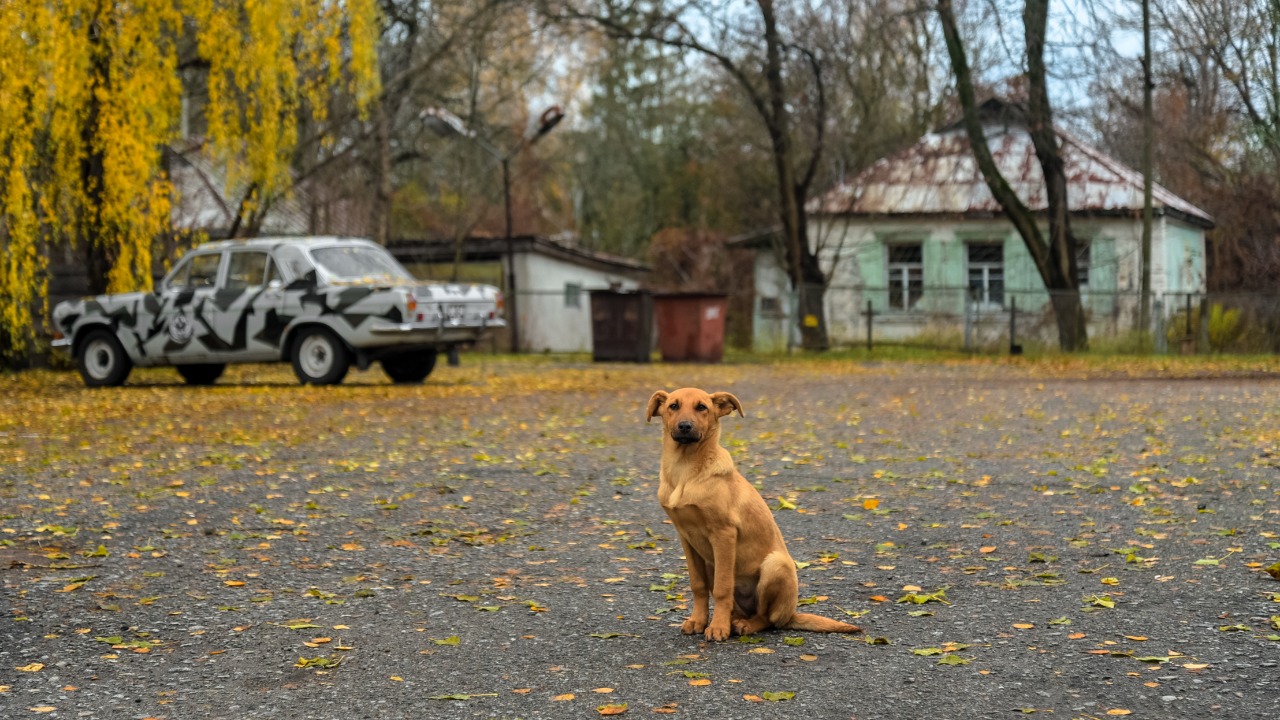
The feral dogs that roam the abandoned towns and reactor perimeter near Chernobyl have changed genetically in ways scientists now describe as rapid evolution rather than a simple increase in mutation. New genetic tests and field studies indicate that selection for survival in an irradiated, resource-poor landscape has shifted gene frequencies across generations of dogs living inside the Exclusion Zone.
Genetic divergence: clear separation from surrounding populations
Genomic surveys show that dogs living around the plant form a genetically distinct group, separated from canines in nearby towns and cities, consistent with long-term isolation and limited gene flow into the contaminated area, a pattern documented among the Exclusion Zone population Exclusion Zone. That divergence is visible across many loci, not as a diffuse cloud of new mutations but as coherent shifts in allele frequencies concentrated where traits matter for surviving scarce food, pathogens, and radiation exposure.
Geneticists see that coherence as a fingerprint of selection rather than random change: researchers have detected specific regions of the genome showing signatures of directional selection, indicating alleles that confer survival or reproductive advantage are rising in frequency. Those concentrated shifts are exactly what evolutionary biologists expect when the environment filters which individuals reproduce, producing rapid population-level change.
Selection, not rampant mutation, is driving much of the change
While radiation can cause DNA damage, current analyses suggest the dogs’ unusual genetics stem principally from selection acting on existing variation rather than from a global increase in harmful mutations, a point emphasized in a detailed increased mutation analysis. That work finds stark genetic differences but not the wholesale elevation of mutation rates that early intuitions about radiation might predict.
Further nuance comes from population-genetics experiments that test whether observed changes are the product of drift, inbreeding, or selection: researchers have used statistical models and laboratory assays to show quieter, directional shifts in alleles consistent with adaptive responses rather than random accumulation of damage, a conclusion reinforced by tests that measure changes in gene frequencies over time. Those findings point to natural selection amplifying survival-ready variants in a harsh landscape.
How isolation and ecology intensify selection pressures
The dogs’ ecology — small, semi-closed groups in contaminated villages and around the reactor — magnifies selection. Field researchers including Megan Dillon, PhD, have mapped DNA variations from blood samples to link geographic isolation to genetic structure and to identify loci tied to immune function and metabolism. Those targeted changes fit an expectation that, in places where food, shelter and medical care are absent, only dogs with advantageous physiological or behavioral traits reproduce reliably.
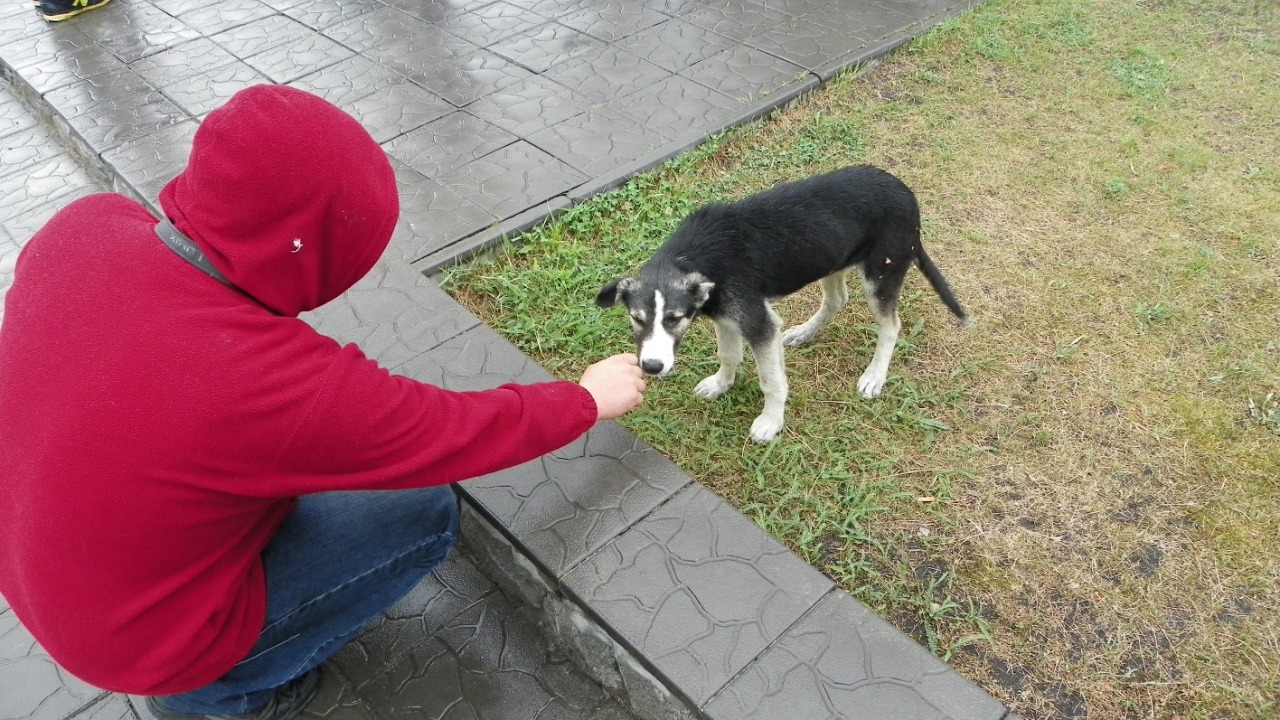
Evidence from earlier work also supports this picture: a 2023 study examined behavior and genetic markers and found population structure consistent with localized adaptation, reinforcing the view that isolation plus environmental stress has created pockets of rapid evolutionary change rather than a uniform breakdown of genetic health.
Traits, mysteries, and research priorities
Researchers are now treating the Chernobyl dogs as a natural laboratory for how large mammals adapt to extreme environments: teams are looking at immunity, pathogen resistance, metabolic shifts and behavior to understand which traits produce fitness advantages. Field reports have documented behavioral shifts and social adaptations that correspond with genetic signals, work that has involved collaborators such as Timothy Mousseau and long-term monitoring teams who combine observation with genetic sampling.
Some popular descriptions cast the population as full of radiation-induced oddities, but the scientific arc has been subtler: multiple reports conclude that the population is genetically different and changing rapidly, but those changes look like adaptive sorting. Broader media and scientific summaries reached similar conclusions about the pace and direction of change, reporting that the animals are rapid evolution when measured against dogs living outside the zone.
One frequently circulated claim — that some animals sport “blue” fur from radioactive mutation — is not verifiable from the available reporting and should be treated cautiously, Unverified based on available sources. Scientists caution against singling out eye-catching anecdotes when the genome-wide picture shows selection on specific pathways such as immunity and metabolism rather than a blanket rise in novel, color-changing mutations.
As research continues, the Chernobyl dogs offer a rare opportunity to watch evolution in near real time, to test how selection operates under chronic environmental stress, and to refine models of adaptation in large, social mammals. The work has practical implications for conservation genetics, disease ecology and understanding how anthropogenic disasters reshape animal populations over decades, lessons that scientists are actively following up with expanded sampling and longitudinal genetic tests.