
Spain has quietly crossed a line that many energy planners have discussed for years but few had actually reached: feeding electricity from a combustion engine running on 100 percent hydrogen into a national grid. The project turns surplus renewable power into a storable fuel, then converts that fuel back into electricity without using any fossil gas. For a country that already leans heavily on wind and solar, this experiment offers a glimpse of how a future low carbon system might stay stable when the weather does not cooperate.
The pilot is still small compared with Spain’s overall generation, yet it links several big themes at once: hydrogen, flexible power plants, and the challenge of balancing a grid dominated by variable renewables. How these pieces fit together will shape not only Spain’s energy mix but also industrial strategies in sectors from engine manufacturing to tourism.
Spain’s first 100 percent hydrogen engine connected to the grid
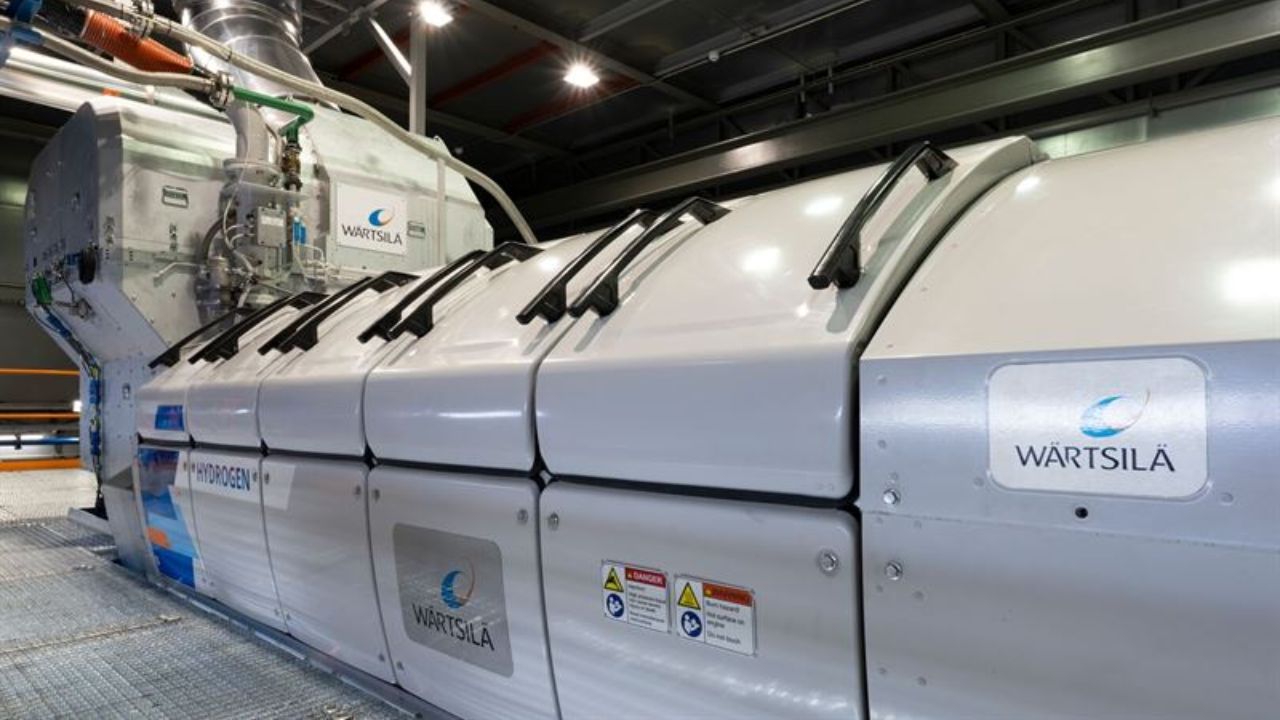
At the heart of the project is a reciprocating engine that has been adapted to burn only hydrogen and then synchronized with Spain’s transmission network. Reporting describes it as the first time a grid-connected power plant has operated solely on hydrogen in this way, with no natural gas blend and no fossil backup inside the engine itself. The installation is configured to draw hydrogen produced from excess wind and solar output, store that gas on site, and then dispatch electricity when demand rises or renewable production falls.
Technical details matter here. The engine is a conventional internal combustion design that has been reengineered for hydrogen, rather than a fuel cell stack. Because hydrogen has a different flame speed and energy density than methane, engineers had to redesign injection, ignition, and control systems to avoid pre ignition and to keep nitrogen oxide emissions within regulatory limits. According to project descriptions, the plant has already completed synchronized operation on the Spanish grid while running on 100 percent hydrogen, which makes it more than a lab demonstration and places it in the category of real grid asset rather than test bench.
Spanish coverage explains that the engine is embedded in a broader power to gas to power loop. When wind farms and photovoltaic plants generate more electricity than the grid can absorb, that surplus is used to drive electrolysers that split water into hydrogen and oxygen. The hydrogen is stored and later fed to the engine, which converts it back into electricity for the grid. One report highlights how this configuration shows in practice how excess solar and wind energy can be turned into dispatchable power instead of being curtailed.
The project also links Spain with a wider European push to adapt piston engines for hydrogen. A Finnish developer has worked on a hydrogen capable combustion engine platform that can run in stationary power roles, with modifications to pistons, valves, and fuel systems to handle gaseous hydrogen. Reporting on that effort notes that the hydrogen piston engine concept is aimed at generators and marine propulsion, which matches the kind of stationary application now visible in Spain.
Why a hydrogen fired engine plant matters for Spain’s energy mix
Spain already has one of Europe’s highest shares of wind and solar generation, which brings a familiar technical problem. When the sun is strong and the wind is steady, wholesale prices can plunge and grid operators are forced to curtail production. At other times, particularly in the evening or during low wind spells, the system still relies on gas fired plants to cover demand. A hydrogen fueled engine offers a way to store some of the surplus and then provide flexible capacity without burning fossil gas.
Choosing a combustion engine rather than a fuel cell is also strategic. Reciprocating engines can ramp up and down quickly, which is valuable for balancing short term fluctuations in renewable output. They can also be installed in relatively small modules, which helps grid planners position capacity close to demand centers or at constrained nodes. In Spain’s case, the hydrogen engine plant can step in during peak tourism seasons when electricity demand in coastal regions rises sharply, especially in areas where large numbers of hotels and resorts now advertise low carbon credentials.
Tourism is not a side issue in this story. Spain’s tourism sector has been working to align with broader sustainability goals, and regional authorities have promoted cleaner energy infrastructure as part of that shift. Industry coverage notes that Spanish destinations are marketing themselves as low emission travel hubs, with investments in renewable powered hotels, electric mobility, and grid upgrades. One report on the country’s tourism strategy highlights how energy projects are being framed as part of a national move toward sustainable tourism, which gives political backing to experiments like the hydrogen engine plant.
There is also a European policy angle. Hydrogen has been singled out as a candidate fuel for sectors that are hard to electrify directly, such as heavy industry and long haul transport. Yet those applications require large scale, low cost hydrogen production and reliable infrastructure. By integrating hydrogen into power generation first, Spain can build electrolyser capacity, storage facilities, and pipeline connections that later serve industrial users. The engine project effectively acts as a flexible offtaker for green hydrogen, supporting early investment in the supply chain.
At the same time, the plant tests whether hydrogen combustion can be made compatible with tight air quality rules. Unlike fuel cells, which do not produce nitrogen oxides, hydrogen engines can generate NOx if combustion temperatures are not carefully managed. Project engineers have had to deploy exhaust aftertreatment and optimized combustion strategies to keep emissions within limits. Success on that front would strengthen the case for hydrogen engines as a complement to fuel cells, particularly in applications where fast start, high cycling capability, and familiar engine technology are valued.
Global context and the competitive race in hydrogen engines
Spain’s grid connected hydrogen engine does not exist in isolation. Engine manufacturers and energy companies in several countries are testing similar concepts, from retrofitted gas peakers to purpose built hydrogen gensets. The Finnish hydrogen engine work mentioned earlier is part of a broader race to adapt existing engine platforms, while Japanese and German firms have their own pilot projects in marine and industrial settings. What makes the Spanish case distinctive is the combination of 100 percent hydrogen operation and direct integration into a national grid that already leans heavily on renewables.
International coverage of the project has framed it as a world first for a grid powered entirely by a hydrogen combustion engine. One detailed report on the plant describes how the unit was synchronized with Spain’s grid and delivered electricity while running exclusively on hydrogen, without any natural gas blend. The same report emphasizes that the engine is designed to show how a mature technology can be repurposed for a low carbon role.
Symbolism matters because hydrogen policy remains contested. Advocates argue that green hydrogen can smooth the path to deep decarbonization, while critics point to efficiency losses when electricity is converted to hydrogen and then back to electricity. The Spanish engine project does not resolve that debate, yet it provides real world data on costs, performance, and operational value. Grid operators can measure how often the plant runs, how it responds to system needs, and how its economics compare with batteries or flexible gas plants.
The project also has implications for engine manufacturers. If hydrogen combustion in stationary power plants proves viable, it could extend the life of engine factories and skill sets that might otherwise be sidelined in a fully electrified future. That prospect is likely to attract interest from companies that supply engines for ships, locomotives, and heavy machinery, many of which are exploring hydrogen or ammonia as future fuels. Spain’s experience could therefore influence investment decisions far beyond its borders.