
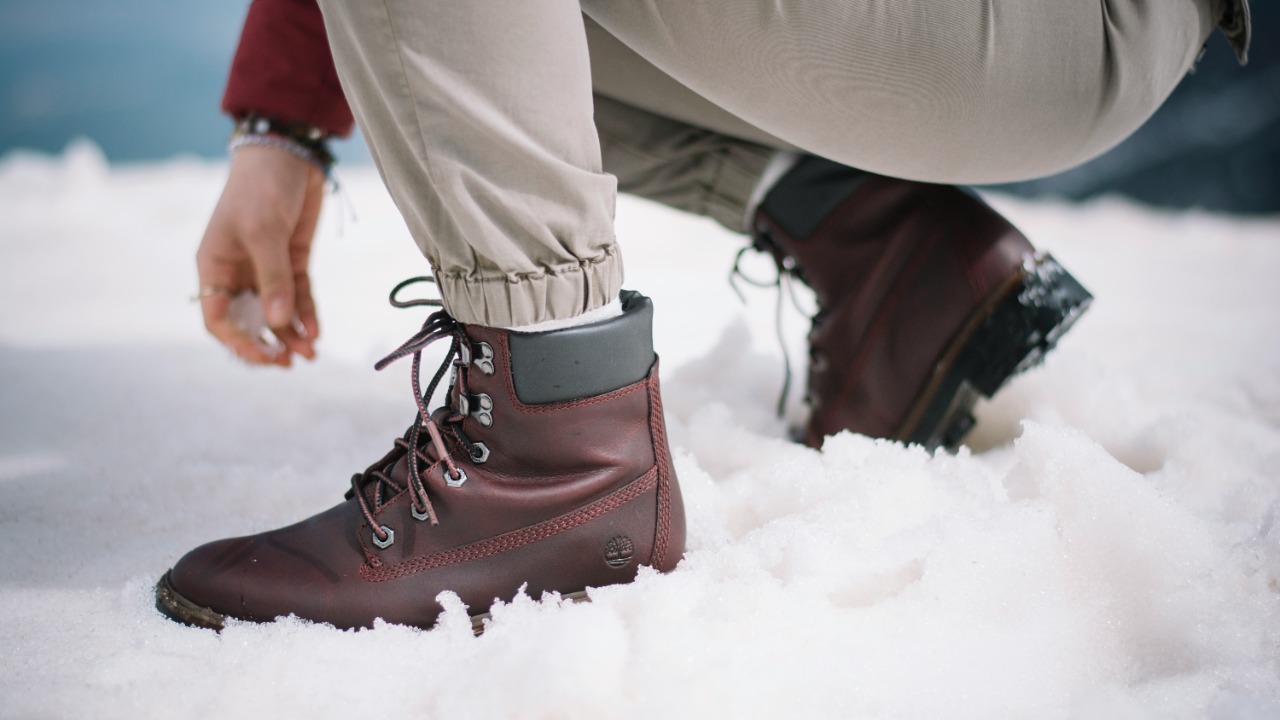
Winter is brutal on boots, but a few simple habits can turn a single season purchase into footwear that survives for years. Salt, slush and sudden temperature swings all attack leather and fabric, yet regular cleaning, smart waterproofing and careful drying dramatically slow that damage. With a routine that takes minutes, not hours, boots can stay dry, supple and structurally sound long after the snow melts.
The core idea is straightforward: protect the material before storms hit, remove corrosive grime quickly and avoid the kind of heat and moisture mistakes that quietly destroy stitching and soles. Cobblers and boot makers consistently point to the same low‑tech steps, from conditioning leather to storing pairs away from radiators, as the difference between a pair that fails in one winter and one that still looks good several years later.
Start with a winter-ready cleaning routine
Any long-lasting boot care plan starts with cleaning, because dirt and road salt grind into fibers and speed up cracking. Leather specialists recommend wiping boots down regularly, not just when stains become obvious, and paying extra attention in cold months when slush splashes higher up the shaft. One guide on how to care for leather boots notes that cleaning about once every two months is a baseline, and that frequency should increase in winter when boots are more likely to be exposed to grime and moisture. That schedule keeps salt from drying into the surface and prevents fine grit from acting like sandpaper on the finish.
Salt in particular is a quiet destroyer, leaving white rings that can permanently discolor leather if they sit too long. A step‑by‑step breakdown on surviving winter salt stains stresses that the first response should always be to clean, ideally by wiping boots after every wear before the residue has time to harden. Another guide on protecting leather from sidewalk salt damage explains that this residue comes from de‑icing products that remain on the ground and transfer to shoes, and it recommends prompt removal with a damp cloth and gentle cleaner to stop the salt from drying out the leather surface. Taken together, these sources frame cleaning not as cosmetic, but as the first line of defense against structural damage.
Waterproof and condition before the first storm
Once boots are clean, the next winter-proofing move is to add a barrier that keeps water out while feeding the material. Boot makers emphasize that leather, in particular, needs both waterproofing and conditioning, and that the right product depends on the boot’s construction. A detailed guide on how to waterproof winter boots explains that leather pairs should be treated with a leather‑specific product, while synthetic or fabric uppers may call for different sprays. Another overview of the best ways for waterproofing boots stresses that cleaning comes first, then oils, waxes or creams are applied to create a water‑shedding surface.
For harsher conditions, heavier-duty treatments can make a noticeable difference in how boots age. A leather care guide on weatherproofing recommends beeswax products such as Atsko Sno Seal for robust protection against rain, sun, snow and salt, noting that this kind of wax can shield leather from multiple environmental threats at once. A separate step‑by‑step breakdown on winterproofing boots and shoes advises setting waxed boots in a dry location overnight so the beeswax can fully penetrate the leather, then buffing with polish to recondition the surface. That overnight rest is not just a formality, it allows the treatment to soak in, which helps boots resist repeated soakings and thaw cycles over an entire season.
Dry gently and never cook your boots

Even the best waterproofing will not keep every drop out, so how boots are dried after a wet commute or hike is critical. Boot care specialists warn that high heat can warp soles, weaken glue and cause leather to crack, which is why they consistently advise against placing boots on radiators or in front of direct heaters. A guide on extending the life of winter boots specifically recommends keeping them away from direct heat sources, noting that high temperatures can harm the materials and shorten their lifespan. The same principle appears in care instructions for tendon and fetlock boots for horses, which advise drying them away from a heat source and explicitly say not to tumble dry, underscoring that controlled, gentle drying protects both synthetic and leather components.
There are faster, safer ways to remove moisture without resorting to harsh heat. A practical guide on how to dry boots fast highlights automatic boot dryers that use gentle heat and airflow to speed up drying without cooking the materials. For those without a dedicated device, the same source points to stuffing boots with newspaper, filling the entire interior so the paper can wick moisture out of the lining. Instructions for horse boots echo this low‑tech approach, recommending that once boots are washed, they should be dried away from heat, which aligns with the broader advice that time and air circulation are safer than aggressive warmth. Together, these methods keep the internal structure intact, which is essential if boots are expected to last more than a season or two.
Protect soles and traction before sidewalks turn slick
Winter damage is not limited to leather uppers, it also shows up underfoot as worn tread and slippery soles. Simple traction upgrades can both prevent falls and reduce the kind of sliding that grinds down outsoles faster. A breakdown of easy ways to make boots slip‑resistant suggests scoring the bottoms with an X‑Acto knife to create more grip, a step that may feel drastic but can pay off on icy sidewalks. The same guide mentions applying mixtures like salt and rubber to the sole surface to add temporary traction, which can be useful for older boots whose tread has already flattened.
Beyond traction, protecting the sole and heel from constant wet‑dry cycles helps boots survive multiple winters. A list of ways to make work boots last longer notes that with heavy use, work boots typically last 6 to 12 months, but proper care can extend that window. That care includes cleaning outsoles so chemicals and salt do not sit in the grooves, checking for early signs of separation where the sole meets the upper and addressing issues before they become full failures. Another overview on preparing leather boots for winter weather emphasizes that regular inspections and timely repairs are part of ensuring boots last for years to come, not just surviving a single season.
Store smartly between storms and seasons
How boots are stored between wears, and especially between seasons, quietly determines how long they stay in rotation. Winterization guides consistently advise being proactive, cleaning and conditioning shoes and applying water repellent before stepping into wintry conditions, then repeating that care before boots go back into the closet. A set of weatherproofing best practices recommends using clean, soft cloths to remove dirt, conditioning leather and consulting a shoe‑care professional for stubborn issues, all before long storage. Another piece on how to prepare leather boots for winter weather stresses assessing the type of leather and its specific care needs, then tailoring conditioning and protection steps so the material does not dry out while sitting unused.
Longer term, the combination of cleaning, conditioning and waterproofing is what allows leather boots to last for years instead of a single winter. A discussion of the benefits of cowboy boots notes that in most cases, leather boots last for years when they are cleaned and conditioned as needed and when owners take the extra step to waterproof them to prevent moisture damage. A separate how‑to on making leather boots last longer reinforces that starting with oil, maintaining a conditioning routine and protecting the surface from the elements are the basics that keep leather supple. When those habits are paired with gentle drying and sensible storage away from direct heat, the result is not just boots that look better, but footwear that remains comfortable and structurally sound through many winters.