
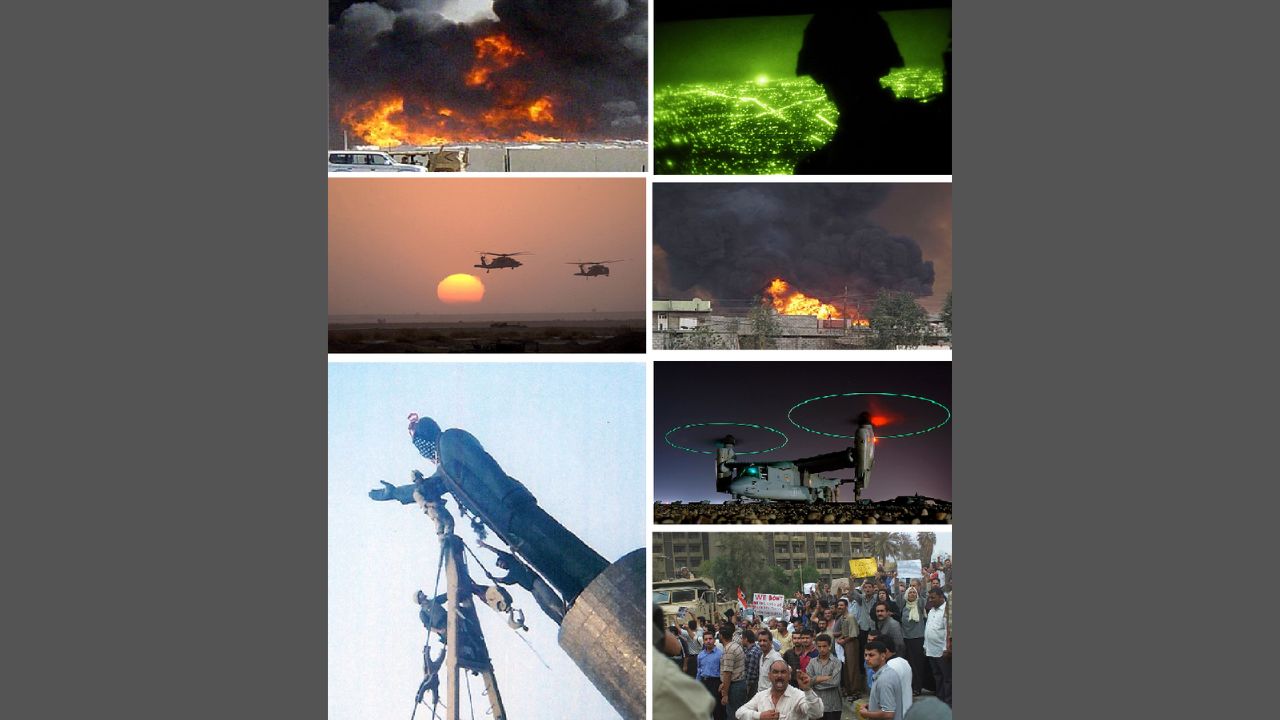
The concept of “Shock and Awe” as a military strategy was popularized by the U.S. during the Gulf War, revolutionizing the way rapid dominance is achieved in modern warfare. This approach has been honed over the years, with a focus on its evolution, key components, and effectiveness in various military operations.
The Genesis of Shock and Awe
The origins of the Shock and Awe strategy are deeply rooted in historical military tactics, but its formal presentation came with the 1996 book “Shock and Awe: Achieving Rapid Dominance” by Harlan K. Ullman and James P. Wade. The strategy emphasizes the use of overwhelming power and spectacular displays of force to paralyze the enemy’s perception and will to fight.
Early implementations of Shock and Awe were observed during the Gulf War, where the U.S. military executed a series of precision airstrikes designed to incapacitate the Iraqi command and control infrastructure. This operation laid the groundwork for future military engagements, setting a precedent for using speed and overwhelming force to achieve swift victory. Key architects of this strategy include military strategists like Norman Schwarzkopf and Colin Powell, who played pivotal roles in its early adoption and success.
Key Components of Rapid Dominance
One of the critical components of the Shock and Awe strategy is its psychological impact. By employing overwhelming psychological force, the strategy aims to disrupt the enemy’s decision-making process and command structure, leading to confusion and paralysis. This psychological warfare component is designed to compel adversaries to surrender or retreat without prolonged conflict.
Technological superiority also plays a crucial role in achieving rapid dominance. The utilization of advanced technology, precision weaponry, and real-time intelligence allows for targeted strikes that minimize collateral damage while maximizing strategic impact. The rapid execution and decisiveness of military operations are essential to the strategy, as they reduce conflict duration and enhance the overall efficacy of military campaigns.
Case Studies: Shock and Awe in Action
The Iraq War in 2003 serves as a prominent example of Shock and Awe in action. During the initial stages of the conflict, the U.S. military launched an intensive bombing campaign aimed at dismantling Iraq’s military capabilities and infrastructure. This display of military prowess was meant to demoralize Iraqi forces and create a sense of inevitability regarding the coalition’s victory. While the strategy achieved its immediate objectives, the ensuing challenges of occupation and insurgency highlighted limitations in its long-term effectiveness.
In Afghanistan, rapid dominance strategies were employed with varying degrees of success. The initial phases of operations saw the effective use of precision strikes to target Taliban strongholds. However, the complex terrain and decentralized nature of the insurgency presented significant challenges, illustrating the limitations of Shock and Awe in unconventional warfare settings. These experiences have provided valuable lessons for the U.S. military, prompting refinements in strategy to better address asymmetric threats.
The Future of Rapid Dominance
As the global landscape evolves, so too must the Shock and Awe strategy. Emerging threats, such as cyber warfare and non-state actors, require adaptations to traditional military doctrines. The U.S. military is actively integrating modern technologies, including unmanned systems and cyber capabilities, into the rapid dominance framework to address these challenges effectively.
The use of overwhelming force in contemporary conflicts raises ethical and strategic considerations. The potential for collateral damage and civilian casualties continues to be a point of contention, prompting debates over the morality and efficacy of such strategies. As the U.S. refines its approach to rapid dominance, these ethical implications must be carefully weighed against strategic objectives to ensure responsible and effective military engagement.