
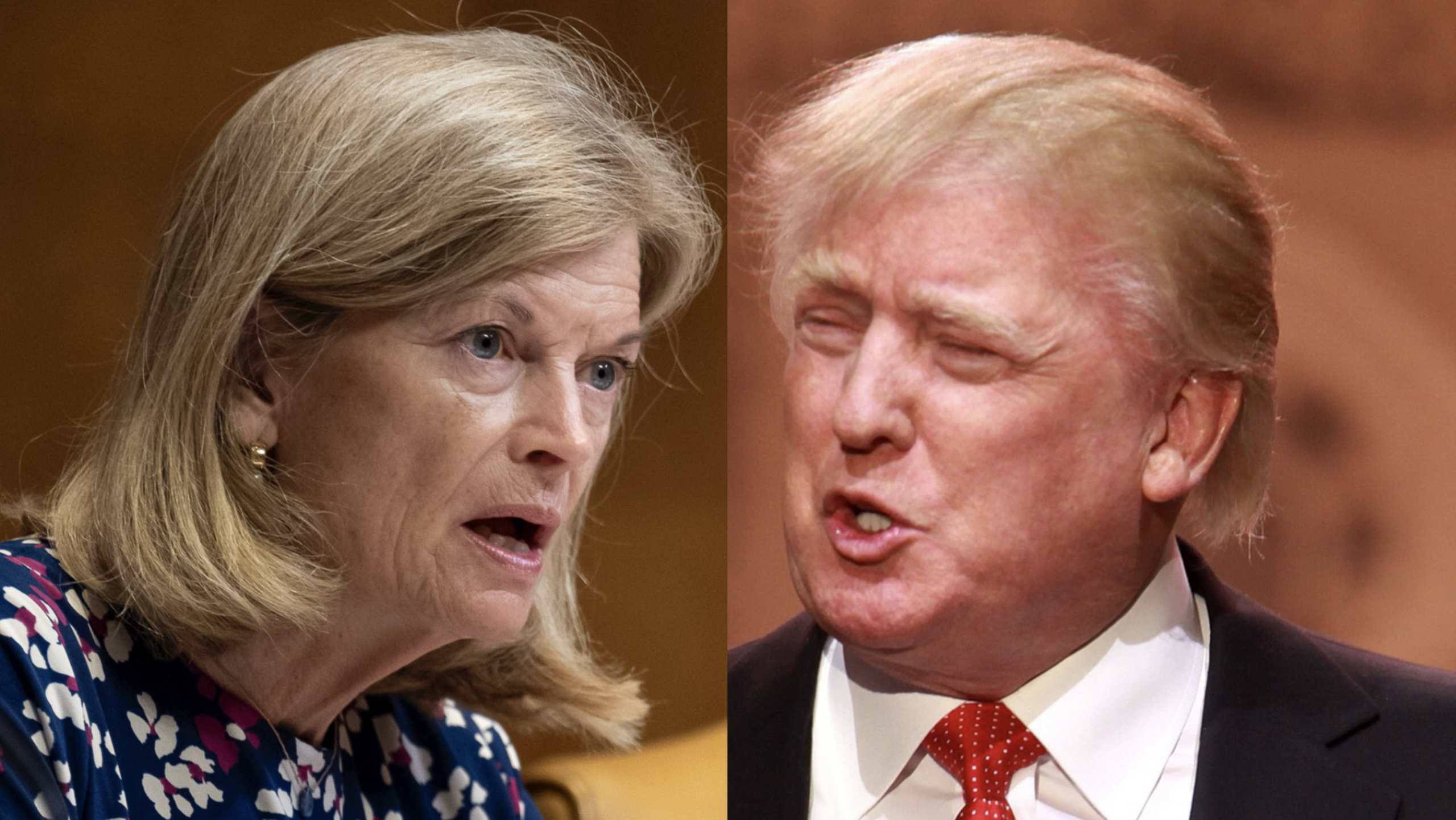
WASHINGTON — In a chamber where Republican unity carried a sweeping $70 billion immigration enforcement bill across the finish line in the early hours of Friday morning, Alaska Sen. Lisa Murkowski stood as the sole member of her party to vote no — and on Friday, June 5, she made clear exactly why.
In a post on X at 9:57 a.m., Murkowski laid out her position in full, explaining that while she supports the goal of securing the border and funding the agencies responsible for it, she could not back legislation that she believes fundamentally undermines Congress’s power over the federal purse. “While I support funding to secure our borders and protect the homeland, I do not support bypassing the annual appropriations process by providing funding for multiple years in a manner that diminishes both congressional direction and oversight,” Murkowski wrote.
A Three-Year Funding Window at the Center of the Dispute
The bill, passed by the Senate 52-47 just before 5 a.m. Friday following a grueling 19-hour “vote-a-rama,” provides approximately $70 billion to the Department of Homeland Security’s immigration enforcement agencies — primarily Immigration and Customs Enforcement (ICE) and Customs and Border Protection (CBP) — funded through the remainder of President Donald Trump’s term, covering three fiscal years rather than the standard single-year appropriation.
It was precisely that multi-year structure that Murkowski found unacceptable. Republican leadership pushed the bill through the budget reconciliation process, a parliamentary mechanism that bypasses the Senate’s standard 60-vote filibuster threshold and allows passage by a simple majority. The move was designed to circumvent the months-long Democratic blockade of ICE and CBP funding, which Democrats had withheld while demanding policy reforms following the fatal shootings of Renee Good and Alex Pretti by federal agents in Minneapolis in January.
Murkowski: Bill Sets a Dangerous Precedent
In her Friday post, Murkowski argued that structuring funding across three fiscal years does more than just solve a near-term political impasse — it erodes the institutional norms that give Congress its most meaningful leverage over the executive branch. “By choosing to appropriate funding for three fiscal years instead of one, this measure weakens the normal budgeting process and sets another precedent for avoiding it when we find ourselves in disagreement,” she wrote. “In doing so, it reduces Congress’ ability to apply reasonable checks on immigration policy for the remainder of this administration and into the next.”
That concern — that the bill’s passage would make lawmakers less inclined to resolve partisan differences through the regular appropriations process — had been a central theme for Murkowski throughout the bill’s consideration. Prior to the final vote, she told reporters her fear was that Congress had begun descending “a slope that is so slippery we’re never going to be able to crawl our way back out of it.”
The Anti-Weaponization Fund: A Sticking Point That Survived
Murkowski also took direct aim at what she described as the administration’s “brazen” anti-weaponization fund — a $1.776 billion settlement fund established by the Justice Department as part of an out-of-court resolution to a $10 billion lawsuit President Trump had brought against his own government over the 2019 leak of his tax records. The fund is designed to compensate individuals who claim they were targeted for political reasons by the Biden administration.
The fund’s inclusion in the broader legislative environment surrounding the bill drew fierce opposition from members of both parties. During the vote-a-rama, multiple amendments were filed — by both Democrats and a handful of Republicans — seeking to permanently prohibit the fund. Those efforts were narrowly defeated each time, as Republican leadership held the line on the underlying bill. Murkowski was among the Republicans who voted for amendments targeting the fund, even as most of her colleagues voted them down.
In her Friday statement, she made clear that the fund’s survival was one of the decisive factors in her final no vote. “Had this measure provided immigration funding for one year, included clear restrictions on what those funds can be used for, and eliminated any potential for taxpayer dollars to be allocated to the administration’s brazen ‘anti-weaponization’ fund, I likely would have voted for it,” Murkowski wrote.
What Would Have Won Her Vote
Murkowski’s statement was notable not only for its opposition but for its specificity about what she required to vote yes. She outlined three conditions: a single fiscal year of funding rather than three, explicit restrictions on how the funds could be used, and the removal of any connection to the anti-weaponization fund. None of those conditions were met in the final legislation. “The final bill fell short on all of those fronts, so I opposed it,” she wrote.
That level of detail amounts to a direct signal to House Republicans, who are expected to take up the bill as early as next week after leaving Washington for the weekend. Whether the House will modify the measure — and whether any changes would trigger a return to the Senate — remains to be seen.
The Lone Republican No in a Party-Line Vote
The final 52-47 tally was otherwise entirely along party lines, with all Democrats joining Murkowski in opposition. Her vote made her the only Republican to break ranks, a distinction consistent with her broader legislative history as one of the Senate’s most independent GOP voices. Murkowski sits on the Senate Appropriations Committee, and her objections carried the weight of a senior appropriator who has spent years guarding the committee’s institutional role.
Senate Majority Leader John Thune of South Dakota, who shepherded the bill through a weeks-long process that at various points appeared at risk of collapse, did not publicly address Murkowski’s opposition Friday. The bill’s path to enactment now runs through the House, where Republican divisions over its scope and contents have already generated months of internal debate.
What Comes Next
The legislation now heads to the House of Representatives, which departed Washington for the weekend before the Senate completed its overnight session. House consideration is expected to begin early next week. The bill’s fate there is uncertain — the House GOP conference has spent months in internal disagreement over the shape of immigration enforcement funding, and it remains unclear whether the Senate’s version will pass without further amendment.
For Murkowski, Friday’s statement was less an end than a marker. Her conditions for support are on record. Whether Congress revisits the annual appropriations process for immigration enforcement — or continues down the multi-year, reconciliation-driven path she warned against — may define how the oversight battles of the next two years unfold.