
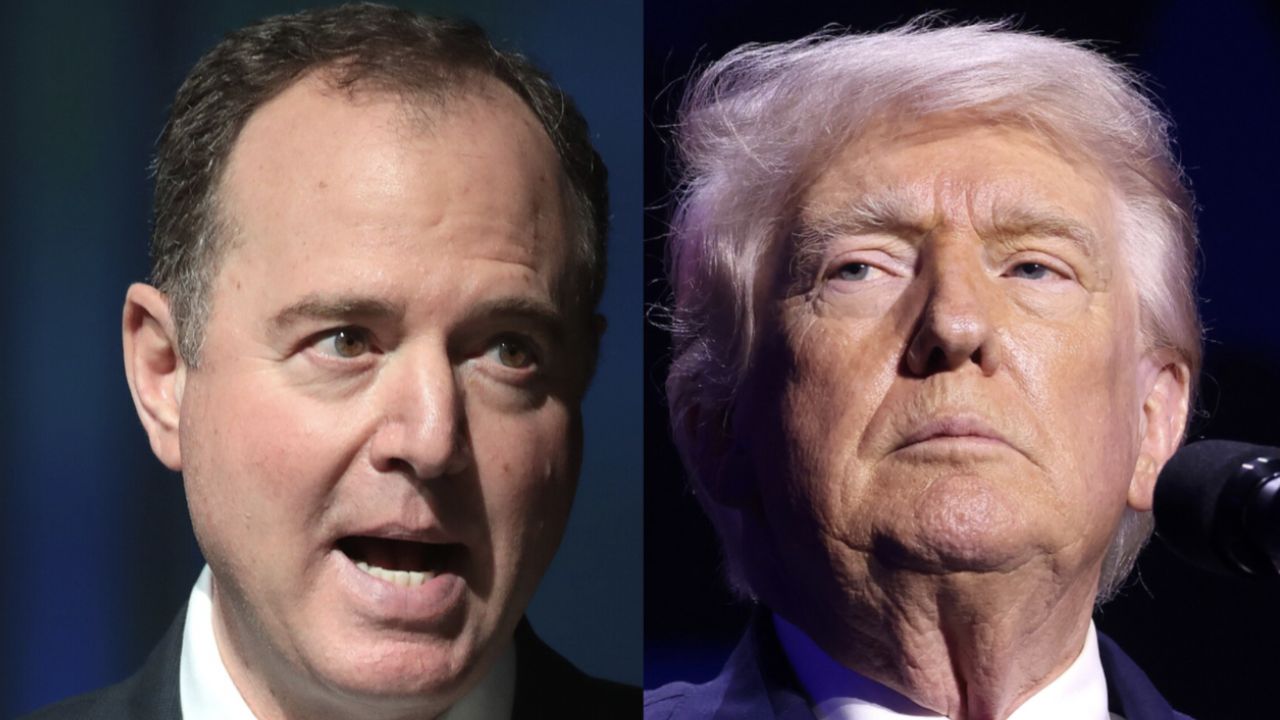
WASHINGTON, Oct 3 – U.S. Sen. Adam Schiff, a California Democrat, accused the Trump administration on Saturday of corruption, betrayal, conflicts of interest and greed in a four-line post on X, adding that the White House has “no real plan to lower your costs.” The post came on the same day that reporting surfaced showing the administration’s talks with Russia on ending the war in Ukraine have widened to include a multibillion-dollar sale of Russian oil assets that would benefit business figures tied to the president’s two chief negotiators, Steve Witkoff and Jared Kushner.
Schiff posted the message at 4:18 p.m. on Saturday, Oct. 3, 2026, and attached a link to that reporting. The full text of the post read:
“So much corruption.
So much betrayal.
So many conflicts.
So much greed.No real plan to lower your costs.”
What the Reporting Describes
The deal at the center of the controversy involves a sprawling set of oil fields, refineries and gas stations around the world owned by Lukoil, one of Russia’s largest energy companies. It is contingent on approval from both the U.S. government and the Kremlin. The leading group seeking the deal includes American investor Todd Boehly, who has donated $2 million to President Donald Trump’s political causes, two Middle Eastern groups that have done business with Kushner or Witkoff’s family, and an arm of the U.S. government itself. The negotiations, which have run for months, were described by eight people familiar with them who spoke on condition of anonymity because of their sensitivity.
Russian President Vladimir Putin raised the sale himself when he met Witkoff and Kushner at the Kremlin on Sept. 5, according to three people familiar with the meeting. One of them said Putin proposed completing it as a way of showing Russians that they can do business with the United States. The American envoys replied that they would work on it, seeing it as a way to build good will with Moscow while lowering global energy prices. U.S. approval would also lift American sanctions from the assets, instantly increasing their value.
There is no indication that Kushner or Witkoff stands to profit personally. A spokeswoman for Witkoff said he “has no conflict of interest and no financial stake in this matter.” A senior administration official confirmed that both envoys helped negotiate the financial terms of the federal government’s investment, aiming to secure an upfront payment and a share of profits for the United States. An official at the U.S. International Development Finance Corporation, the agency taking the government’s stake, said the deal would advance economic security, serve U.S. foreign policy goals and lower energy prices for Americans.
The Web of Business Ties
The bidders’ connections to the president’s circle run deep. A major equity holder would be a Qatar-based conglomerate controlled by the brothers Moutaz and Ramez Al-Khayyat, who attended Trump’s 2025 inauguration and have since partnered with Kushner and Ivanka Trump to help finance a multibillion-dollar luxury resort in southern Albania. Another major stakeholder would be an Abu Dhabi investment fund controlled by Sheikh Tahnoon bin Zayed Al Nahyan, the United Arab Emirates’ top national security adviser.
Sheikh Tahnoon also controls a separate fund that bought a large stake in World Liberty Financial, the Trump family cryptocurrency company that Witkoff co-founded and that his son helps run. The company generated $799 million for Trump last year, in part because of a $2 billion crypto purchase by an affiliate of the sheikh in 2025. A person close to Witkoff said he has since sold his stake. The sheikh also helps oversee Lunate, an Abu Dhabi fund that is among the largest stakeholders in the private equity firm Kushner founded after leaving the White House.
Hui Chen, a former Justice Department prosecutor and ethics adviser, said the connections show why friends and family of a president should not serve as top foreign policy advisers. “This is an alarming and very concerning set of entanglements,” said Chen, who has also worked as a corporate compliance lawyer. She added that the arrangement raises the question of whether personal interests will wrongly influence which bidder prevails.
Sanctions, Energy and the Iran War
The Treasury Department must sign off on the sale because it oversees sanctions enforcement, but people involved in the process said the key decisions are being made at the White House. A Treasury spokeswoman said the agency’s sanctions office carries out foreign policy as set by the White House. The administration sanctioned Lukoil a year ago, describing the move as pressure on Putin to stop the killing in Ukraine, and the company was forced to sell its international holdings. Lukoil valued those assets at $20 billion earlier this year, though the price and structure of the proposed deal remain unclear.
The timing carries added weight because of the war with Iran. Lukoil’s refineries in the Netherlands, Bulgaria and Romania produce diesel and jet fuel, both of which have been in short supply since the Iran war began, driving prices up. That gives Trump an incentive to back a deal that could widen access to energy. Treasury has repeatedly extended its sanctions action so Lukoil’s U.S. gas stations and other businesses can keep operating, and the latest extension runs through Oct. 29.
Schiff’s Record on Costs and Corruption
Schiff’s post fits a line of attack he has pursued for months. On Sept. 24, he introduced the Oil Company Windfall Profits Tax Act, saying that after half a year of war, “it’s clear who has benefited from rising gas prices: Big Oil companies.” His office noted that the war has entered its seventh month, that gas and utility costs have reached record highs and that California gas prices have topped six dollars a gallon.
This summer, Schiff delivered a Senate speech titled “The Cost of Corruption: Top 10 Ways Trump Has Profited off the Presidency.” It cited the president’s $TRUMP memecoin, stablecoin reserves and involvement with World Liberty Financial, along with settlements with media and tech companies, overseas licensing of the Trump name, and the Qatari-gifted Air Force One jet. He closed one passage by calling the cost of that corruption “incalculable.”
Earlier this year, Schiff introduced the Corruption Clawback Act, which would recover taxpayer money paid to presidents through settlements or judgments resulting from White House coercion. Announcing it, he said Trump “is demanding billions in personal payoffs from the federal agencies he controls.” On the Iran war itself, Schiff told NBC’s Meet the Press this spring that it “is a war of choice” that has brought the highest gas prices in years.
Congressional Scrutiny of the Envoys
Other Democrats have pressed the conflict-of-interest questions about Witkoff and Kushner. In January, Reps. Gregory Meeks, Gabe Amo and Robert Garcia asked the inspectors general of the Commerce and State Departments to investigate Witkoff’s financial interest in World Liberty Financial. On June 3, Rep. Greg Stanton questioned Secretary of State Marco Rubio over allegations that the two envoys are personally profiting from dealings with governments they negotiate with.
The Cost Argument and the Midterms
The California governor’s office said on Sept. 17 that the Iran war has cost Americans more than $108 billion in extra fuel costs, nearly $900 per household. It cited a Brown University tracker and said the war had passed 200 days. That is the cost problem Schiff points to when he says there is no real plan to lower prices, and it frames his criticism of a peace process that now includes a negotiated oil deal.
Politically, the post lands a month before the Nov. 3 midterm elections. On Polymarket, a prediction market, traders put the odds of Democrats winning the House at about 94% as of Oct. 3. Market odds are not forecasts or votes, but they show how heavily traders expect the midterms to turn on cost-of-living and corruption messaging.
The Lukoil deal is not final. It still needs approval from the Treasury Department and the Kremlin, and the current sanctions extension expires Oct. 29. Until then, the negotiations over Ukraine, the sanctions on Lukoil and the war with Iran’s effect on fuel prices remain tied together, with Putin and Trump holding the final decision.