
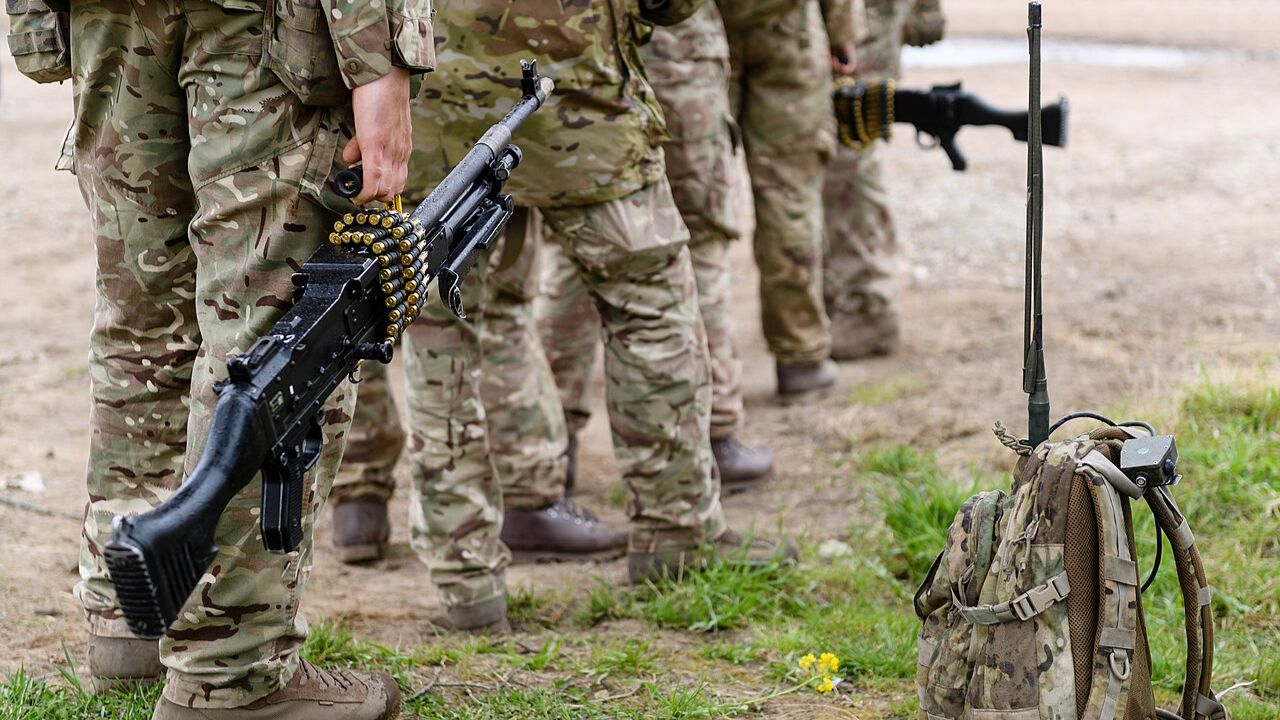
Recent movements of Russian troops along NATO borders have reignited concerns about the unity and stability of the alliance. Analysts suggest that these maneuvers may be part of a broader strategy by Russia to exploit divisions within NATO and weaken collective defense efforts.
Background on NATO and Russian Relations
The North Atlantic Treaty Organization (NATO) was formed in 1949 as a collective defense alliance, primarily to counter the threat posed by the Soviet Union during the Cold War. Its founding principle, enshrined in Article 5 of the North Atlantic Treaty, asserts that an armed attack against one member is considered an attack against them all. This solidarity has been a cornerstone of NATO’s effectiveness, ensuring a united front against aggression.
Historically, NATO’s relationship with Russia has been fraught with tension and conflict. The dissolution of the Soviet Union in 1991 initially opened doors for cooperation. However, key events such as the NATO bombings in Yugoslavia in 1999, the eastward expansion of NATO, and Russia’s annexation of Crimea in 2014 have exacerbated tensions. These incidents have reshaped NATO’s strategies, prompting the alliance to bolster its eastern flank in response to perceived threats from Russia.
Recent Russian Troop Deployments
In recent months, Russia has conducted significant troop movements near its borders with NATO member states, particularly in Eastern Europe. Reports indicate that thousands of troops have been repositioned in areas such as Belarus and near the Baltic states. These deployments are often accompanied by military exercises, showcasing Russia’s capabilities and readiness to act, which has raised alarms among NATO leaders.
The strategic locations of these troop movements are particularly concerning. For instance, the positioning of Russian forces in Belarus places them within striking distance of NATO’s northeastern members, such as Poland and the Baltic states. NATO officials have noted that these actions may be aimed at testing the alliance’s response and sowing discord among member states. Following these deployments, NATO has reaffirmed its commitment to collective defense, with increased military presence in Eastern Europe to reassure its allies.
Claims of Fracturing NATO Unity
The narrative surrounding Russian intentions to fracture NATO unity has gained traction among military analysts and political leaders. There is a growing consensus that Russia seeks to exploit existing fissures within the alliance, particularly those stemming from differing national interests and defense priorities. Statements from NATO Secretary-General Jens Stoltenberg and other leaders highlight concerns that Russia is attempting to create confusion and discord within the alliance.
Historical precedents exist where NATO’s unity has faced significant tests. The 2003 Iraq War revealed rifts among member states, with countries like France and Germany opposing military action while others, such as the United Kingdom and Poland, supported it. These divisions could serve as a blueprint for Russia’s strategy to undermine NATO solidarity. As tensions rise, it becomes increasingly crucial for member states to present a united front against external threats.
Geopolitical Implications
The recent troop movements by Russia not only affect NATO but also have broader implications for the geopolitical landscape in Europe. With increased military presence near NATO’s borders, the risk of miscalculation or unintended escalation grows. Such scenarios could potentially lead to confrontations that may jeopardize European security and stability.
Moreover, these actions could provoke a reevaluation of defense strategies among European nations. Countries might feel compelled to increase their military spending or seek closer defense ties with NATO allies. The ongoing situation poses a significant challenge to the European Union’s security architecture, as member states grapple with the implications of a more aggressive Russia.
Internal Divisions Within NATO
While NATO presents a united front against external threats, internal divisions do exist among member states. Differing national priorities, economic capabilities, and political agendas can create friction within the alliance. For instance, while some countries emphasize the need for a robust military response to Russian actions, others may prioritize diplomatic engagement or economic ties.
Defense spending is a particularly contentious issue, with some NATO members falling short of the alliance’s guideline of spending 2% of GDP on defense. This disparity can lead to perceptions of unequal burden-sharing, further straining relations among allies. Domestic politics also play a role, as political parties in various member states may leverage NATO-related issues to further their agendas, impacting the overall cohesion of the alliance.
Military Readiness and Response Strategies
In response to the heightened threat from Russia, NATO has taken steps to bolster its military readiness. Initiatives such as the Enhanced Forward Presence (EFP) have been implemented, deploying multinational battlegroups to Eastern European countries. These efforts aim to deter potential aggression by demonstrating NATO’s commitment to collective defense.
Joint military exercises have also become a vital component of NATO’s strategy, enhancing interoperability among member forces. Exercises such as Defender Europe 21 and Baltic Operations have showcased NATO’s readiness to respond to crises. These initiatives are crucial for ensuring that member states are prepared to act swiftly and decisively in the event of a conflict, reinforcing the principle of collective defense.
Public Perception and Media Coverage
The way media covers NATO’s unity and Russian threats significantly shapes public perception. In an age where information spreads rapidly, narratives surrounding these issues can influence political discourse and public opinion. Media outlets play a critical role in framing the perceived threat level posed by Russia and how NATO is responding.
Social media has further amplified these discussions, allowing for diverse viewpoints to be expressed and shared. Public opinion surveys indicate varying levels of support for NATO among member states, with some populations expressing skepticism about military spending or involvement in conflicts. Understanding public sentiment is essential for NATO leaders as they navigate the complexities of collective defense and member state cohesion in the face of Russian aggression.
Expert Opinions and Analysis
Insights from military analysts and geopolitical experts provide valuable context for understanding the current situation. Many experts argue that NATO’s response to Russian aggression must adapt to the evolving security landscape. They emphasize the need for a comprehensive strategy that combines military readiness with diplomatic efforts to address the underlying tensions.
Diverse viewpoints exist regarding the effectiveness of NATO’s current strategies. Some analysts advocate for a more aggressive posture, while others caution against escalating tensions further. Predictions for the future of NATO-Russia relations range widely, with some experts warning of potential conflict, while others express hope for diplomatic resolutions. The situation remains fluid, and the responses from both NATO and Russia will be pivotal in shaping future interactions.
The Path Forward for NATO
As NATO faces the challenges posed by Russian troop movements, the importance of unity among member states cannot be overstated. Strengthening collective defense and political cohesion will be vital in countering potential threats. This includes fostering dialogue among members to address internal divisions and ensuring that all allies commit to shared defense spending goals.
In light of recent developments, NATO must remain vigilant and proactive in its approach. By reinforcing defenses, enhancing military readiness, and promoting a unified political stance, the alliance can better navigate the complexities of the current geopolitical landscape. The long-term implications of Russian troop movements will continue to influence European security, making it essential for NATO to adapt and respond effectively.