
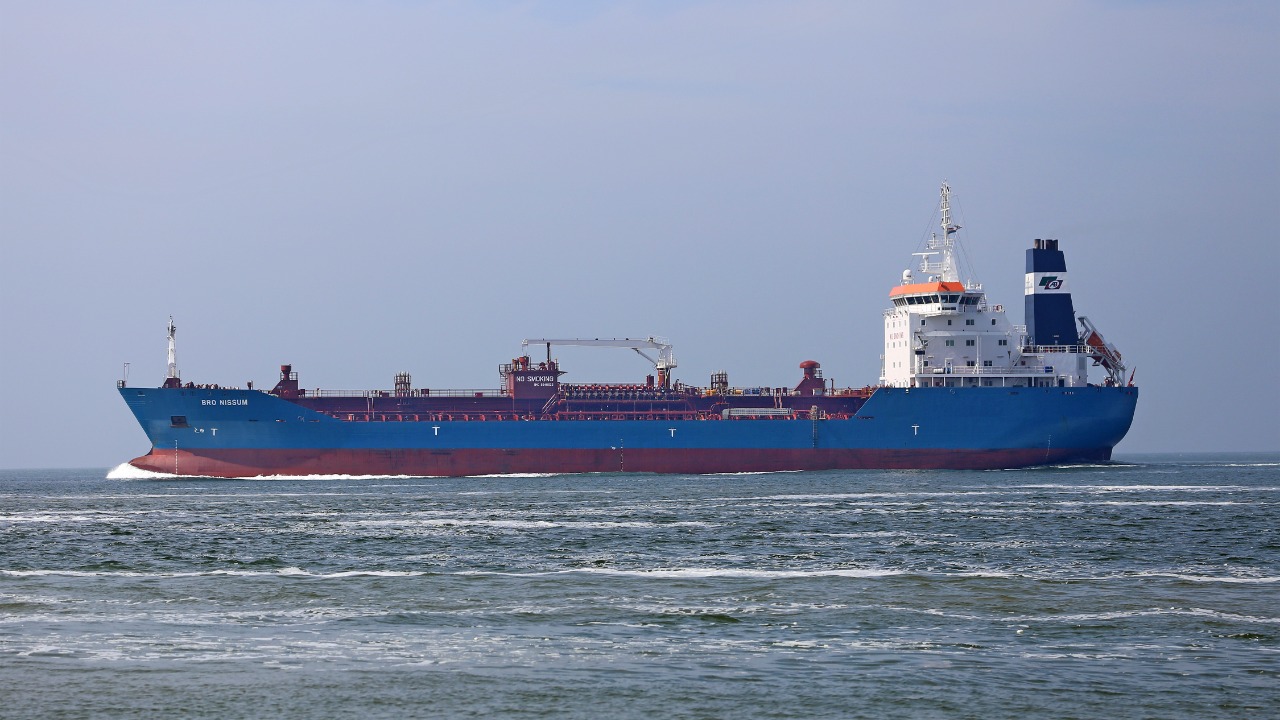
The interception of the Russian oil tanker Grinch in the Mediterranean Sea was not a sudden French solo act but the culmination of a coordinated allied effort that began with the Royal Navy quietly tracking the vessel. British surveillance and a fast patrol boat shadowed the tanker before French forces moved in, turning a routine shadow fleet transit into a high-profile test of sanctions enforcement. The episode offers a rare, public glimpse into how European navies are now working together at sea to squeeze the financial lifelines of Russia’s war on Ukraine.
By the time French commandos boarded the Grinch on the high seas, the ship was already under suspicion for its links to Russia, its route from Murmansk, and questions over its registration. The decision by France, backed by the United Kingdom and other allies, to physically detain the tanker marks a significant escalation in efforts to disrupt the so-called shadow fleet that has grown around Russian oil exports.
From Murmansk to the Mediterranean: how the Grinch drew attention
The voyage that ended with armed sailors on the deck of the Grinch began in the Port of Murmansk in northwest Russia, a key hub for Arctic oil exports. Maritime authorities cited by European officials said the interdicted vessel came from the Port of Murmansk in Russia, placing it squarely within the network of tankers that have helped Moscow reroute crude flows since Western sanctions tightened. The tanker, named the Grinch, was sailing from Murmansk in northern Russia and is subject to international scrutiny because of its role in transporting Russian oil under sanctions pressure.
French officials have also raised concerns that the ship was operating under a fake or forged registry, a tactic that has become common among vessels trying to evade sanctions and insurance rules. France detains tanker sailing from Russia under fake flag, and an onboard inspection confirmed the use of forged registration documents according to the Marseille public prosecutor, reinforcing suspicions that the Grinch was part of a broader pattern of deceptive practices. The combination of a Russian origin, a route into the Mediterranean Sea, and irregular paperwork placed the tanker firmly in the crosshairs of European enforcement agencies.
Royal Navy tracking and the role of HMS Dagger
Before French forces closed in, British assets had already been watching the Grinch’s progress. The Royal Navy deployed HMS Dagger, a fast patrol boat capable of 41 knots, to monitor the vessel as it moved through contested waters, providing real-time situational awareness to allies. The Royal Navy also deployed HMS Dagger, a fast patrol boat capable of 41 k, that monitored the vessel, supporting the French effort and ensuring that any sudden maneuver by the tanker could be tracked and relayed.
British officials have since confirmed that the United Kingdom did more than simply observe. The French Navy was assisted by the UK to board a sanctioned Russian oil tanker, named the Grinch, and a photo released on Jan 22, 202, showed French personnel fast roping from a helicopter while British assets remained nearby. A separate account noted that the French Navy was assisted by the UK to board a sanctioned Russian oil tanker, named the Grinch, underscoring that the tracking phase and the boarding itself were part of a single, coordinated operation rather than disconnected national efforts.
French boarding on the high seas and Macron’s message
Once the Grinch was firmly under surveillance, French forces executed the decisive move. On Jan 22, the French Navy intercepted a suspected Russian shadow fleet tanker, the Grinch, in the Mediterranean Sea and carried out a boarding operation on the high seas. President Emmanuel Macron announced on X that the operation was conducted on the high seas in coordination with allies, including other European partners, framing the action as a deliberate enforcement of international law rather than an isolated show of force.
Macron used the moment to send a broader political signal about the link between maritime enforcement and the war in Ukraine. Announcing the seizure on X, Macron said that France is determined to uphold international law and to ensure the effective enforcement of sanctions, and he added that the activities of the shadow fleet contribute to financing the war of aggression against Ukraine. The French leader’s comments, echoed in statements that the French navy intercepted a Russian tanker as part of a wider sanctions crackdown, positioned the Grinch operation as both a legal measure and a strategic message to Moscow and to other shipowners tempted to join the shadow fleet.
Inside the ‘shadow fleet’ and Russia’s sanctions workaround
The Grinch is only one vessel in a sprawling network of tankers that Western officials and analysts now describe as a shadow fleet. France and other countries have vowed to crack down on the sanction-busting shadow fleet of oil tankers, which experts estimate numbers in the hundreds and which often operate with opaque ownership structures, reflagged registrations, and limited insurance. More reporting on this story has highlighted how shadow fleet ships moving sanctioned oil have been reflagged to Russia at a rising rate, with Russia adapting to sanctions by shifting cargoes onto older vessels that can be sacrificed if they are detained or blacklisted.
In the case of the Grinch, several of these patterns appear to converge. France seizes suspected Russian “shadow fleet” tanker Grinch in the Mediterranean Sea, and on Jan 22, the French Navy intercepted the vessel after it had reportedly switched off or manipulated its Automatic Identification System, or AIS, a common tactic among ships seeking to hide their movements. France detains tanker sailing from Russia under fake flag, and the onboard inspection confirmed the use of forged registration documents, which fits with a broader trend in which Russia and associated traders use fake flags and shell companies to keep oil flowing despite price caps and shipping restrictions.
What the Grinch seizure signals for future maritime enforcement
The decision by France, backed by the United Kingdom and other allies, to physically detain the Grinch marks a notable escalation in how sanctions are enforced at sea. France seizes suspected Russian “shadow fleet” tanker Grinch in the Mediterranean Sea, and the French navy intercepted a Russian tanker as the US and allies escalate sanctions crackdown, indicating that maritime interdictions are becoming a more accepted tool rather than a rare exception. France and other countries have vowed to crack down on the sanction-busting shadow fleet of oil tankers, and the joint tracking and boarding of the Grinch shows that this pledge now extends to coordinated naval operations, not just financial penalties or diplomatic warnings.
For Russia, the episode underscores both the resilience and the vulnerability of its sanctions evasion strategy. Russia adapts to sanctions by relying on ships like the Grinch, sailing from Murmansk in northern Russia and using fake flags or forged documents, but each high-profile seizure raises the cost and risk of that approach. The interdicted vessel, the Grinch, came from the Port of Murmansk in Russia, and its detention in the Mediterranean Sea signals that European powers are prepared to project enforcement far from home waters when they believe a tanker is helping to fund the war in Ukraine. As more cases emerge and more ships are stopped, the shadow fleet may find that the seas it once used to hide are becoming steadily less forgiving.