
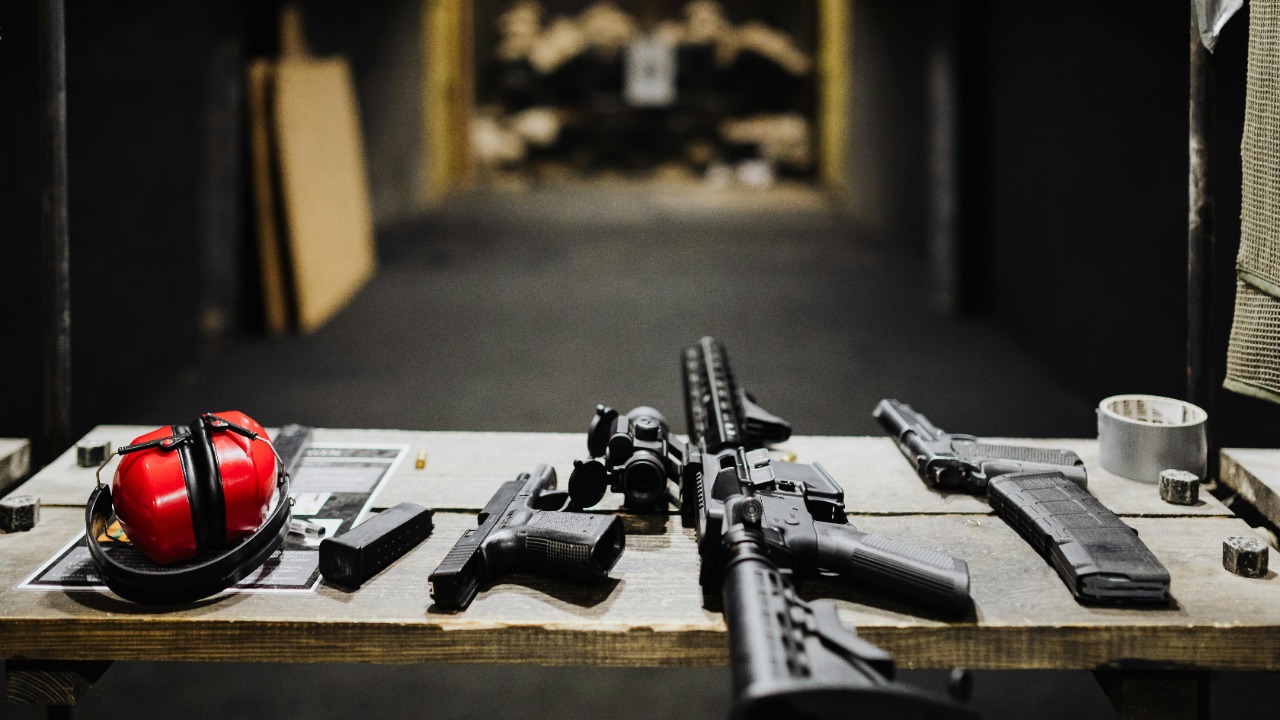
Rifle and handgun owners are paying more than ever for ammunition, yet a surprising number of cartridges deliver less performance than their price tags suggest. While common workhorse rounds still dominate shelves, a growing slice of the market is filled with boutique loads, niche calibers, and “premium” boxes that promise miracles and often deliver marginal gains. The result is a landscape where some rounds cost more and perform less, especially once you compare them to well proven, cheaper alternatives.
I look at ammunition the way a mechanic looks at aftermarket spoilers: some genuinely improve performance, others just make your wallet lighter. From classic rifle cartridges to trendy defensive loads, the pattern repeats. The most common, well supported rounds tend to give the best value, while exotic or over marketed options often ask you to pay extra for bragging rights rather than real-world results.
When rifle rounds get pricey without getting better
Modern rifle shooters face a strange paradox: the most versatile cartridges are often not the most expensive, while some niche options cost significantly more without delivering proportionally better performance. Popular hunting rounds such as the .308 Winchester and .30-06 Springfield are described as capable of taking virtually any game in North Americ, which makes them a benchmark for practical effectiveness. Yet despite that broad capability, they are not always the worst offenders on price, especially compared with boutique calibers that promise tiny accuracy gains or specialized roles.
At the same time, the market for intermediate rifle cartridges has exploded, and not always in a way that favors the buyer. The .223 Remington and 5.56×45 ammunition segment is a good example, with bulk suppliers emphasizing how widely available and standardized these loads are for training and general use. In contrast, cartridges that chase specific niches, such as extreme long range or highly specialized hunting roles, often command far higher prices per round while still relying on the same basic physics that govern more common options. When a cartridge that is only marginally flatter shooting than .308 or 5.56 costs significantly more per shot, the premium is less about performance and more about fashion.
The hidden cost of exotic calibers
Exotic or uncommon calibers are where the “pay more, get less” problem becomes most obvious. Larger, uncommon, and precision focused cartridges tend to be the most expensive to feed, especially when commercial retail ammo is limited to a few specialized manufacturers. When a shooter combines more than one of those traits, for example a large bore precision round that is also relatively rare, the cost per shot can climb rapidly. In practice, that means a hunter or target shooter may be paying several times the price of a standard .308 load for performance that only shows up at the margins of very specific scenarios.
Some of the most striking examples come from cartridges that were designed to fill narrow gaps in performance charts but ended up living mostly on marketing slides. The .22 Accelerator concept illustrates how far designers will go to chase velocity, using a sub caliber 0.224-inch bullet of 5.7 m diameter held in a .30 caliber plastic sabot weighing 0.45 g. While technically impressive, such specialized ammunition is expensive to produce and purchase, and its real world advantages are limited to very specific use cases. For most shooters, a conventional .223 or .308 load will do the same jobs with far less drama at the cash register.
Handgun ammo: premium labels, modest gains

Handgun ammunition has its own version of this problem, especially in the self defense market where packaging and buzzwords often matter as much as ballistics. In the long running debate between 9 mm and .45 ACP, cost and availability are central. Cost and availability: 9mm ammunition tends to be cheaper than . 45 ACP ammunition, and is available in many different loadings. That price gap matters when a shooter needs to practice regularly, and it becomes even more important when premium defensive loads are layered on top of already higher base prices.
Even within a single caliber, the difference between expensive and budget loads is not always as dramatic as the marketing suggests. Testing of defensive 9 mm ammunition has shown that some budget oriented loads can penetrate and expand in a way that is broadly comparable to more expensive options. On the other hand, Federal’s 9 mm Punch load will penetrate similarly, but will do so with less expansion, developing a frontal diameter of about 0.58-inch. That is a measurable difference, but it is not a transformation of the cartridge’s basic capabilities. When the price of a box doubles for a few tenths of an inch in expansion, the buyer is paying heavily for incremental gains.
Cheap rounds that punch above their weight
Not every low cost round is a compromise. Some budget ammunition brands have built reputations for delivering reliable performance at prices that undercut more famous labels. Aguila ammunition comes from Mexico and is most famous today for shotgun mini shells, which are described as fun and fast to shoot. Those mini shells are a reminder that clever engineering and efficient manufacturing can keep costs down without turning every range session into a malfunction drill. In many cases, the cheaper option is more than adequate for training, plinking, or even certain hunting roles.
The same pattern shows up in rifle ammunition. Intermediate cartridges such as 5.56 and 7.62 are described as the most common rifle rounds in contexts like body armor testing, which reflects their widespread use and the economies of scale that come with it. When a cartridge is produced in massive quantities for both civilian and institutional buyers, manufacturers have strong incentives to refine production and keep prices competitive. That is why a shooter can often buy bulk 5.56 or 7.62 for far less per round than a boutique hunting cartridge, even though the common rounds are the ones armor designers and ballistic testers treat as baseline threats.
History’s lesson: complexity is expensive
The tension between cost and performance is not new. During the era of the Lee-Enfield rifle, military planners wrestled with the expense of maintaining multiple models at once. There were significant cost concerns because two different models, carbines and rifles, had to be manufactured. The gun itself was effective, but the logistical burden of feeding and maintaining different patterns added layers of expense that did not always translate into better battlefield performance. That historical experience mirrors today’s civilian market, where every new caliber or specialized load adds complexity to the supply chain.
Modern shooters face a similar choice, only now the decision is made at the gun counter instead of a war office. A cartridge like .308, described as one of the most versatile hunting options in North Americ, offers a balance of power, availability, and cost that is hard to beat. When a new round appears that promises slightly flatter trajectories or marginally better terminal performance at a specific distance, it often brings higher ammunition prices and limited availability along with it. The lesson from both past and present is straightforward. The more a system fragments into overlapping options, the more likely it is that some of those options will cost more and deliver less.