
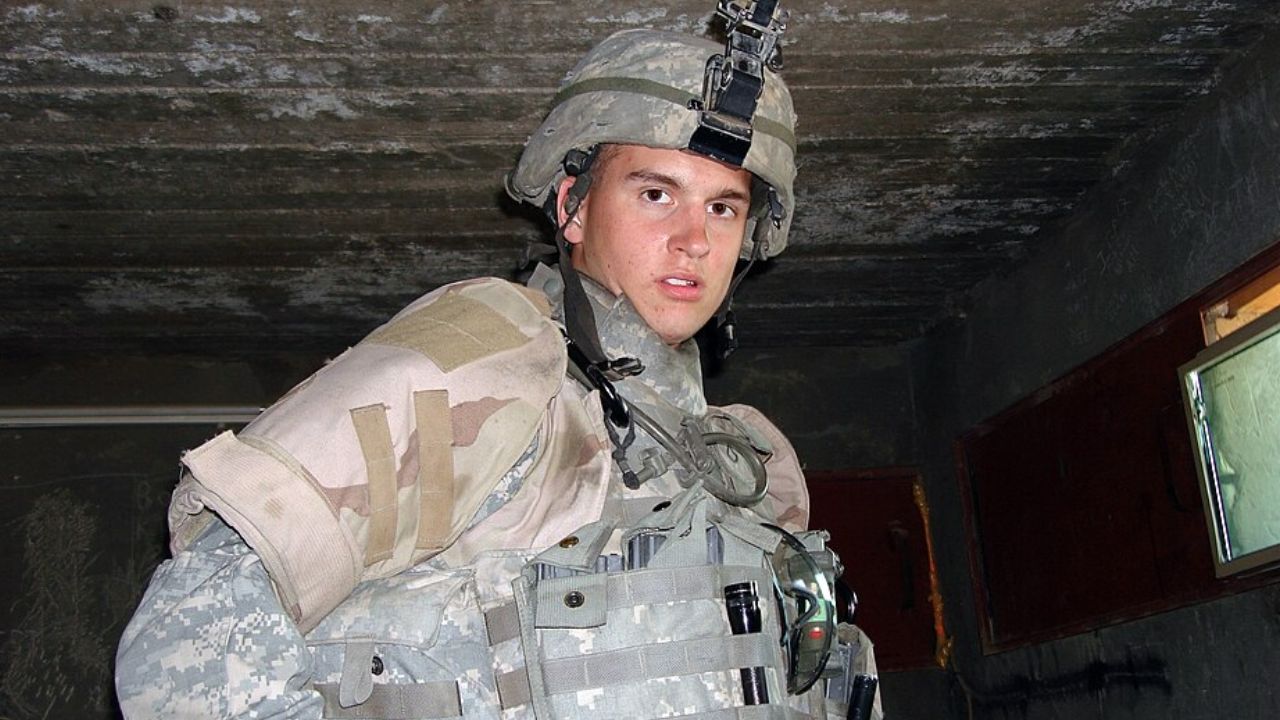
In the annals of military heroism, few acts are as selfless and courageous as that of Ross McGinnis. Despite his ultimate sacrifice, his name often remains overshadowed, a fact that speaks volumes about how we remember our heroes. This article delves into the life and legacy of a soldier whose bravery deserves more recognition.
The Heroic Act
On December 4, 2006, in the war-torn streets of Adhamiyah, Iraq, Private First Class Ross McGinnis found himself in a situation that would test the limits of human bravery. While manning the turret of a Humvee, McGinnis noticed an enemy grenade lobbed into the vehicle. Instinctively, he shouted a warning to his fellow soldiers. With mere seconds to act, he made the split-second decision to throw himself onto the grenade, absorbing the explosion with his body. This selfless act of courage saved the lives of four of his comrades who were inside the vehicle with him.
The immediate impact of McGinnis’s sacrifice was both tragic and heroic. While he lost his life, the men he saved, including Staff Sergeant Ian Newland and Specialist Sean Lawson, survived to tell the tale of their fallen brother’s heroism. Eyewitness accounts from that day paint a vivid picture of McGinnis’s bravery. Newland later recounted how McGinnis’s quick thinking and self-sacrifice prevented the grenade from causing more extensive damage, allowing the other soldiers to escape with their lives. His actions on that fateful day were nothing short of extraordinary, embodying the highest ideals of valor and selflessness.
Ross McGinnis’s Background
Born on June 14, 1987, in Meadville, Pennsylvania, Ross McGinnis grew up in a close-knit family, displaying a sense of adventure and a penchant for mischief from a young age. He was the youngest of four children and was known for his infectious smile and spirited personality. As a teenager, McGinnis nurtured a growing interest in the military, a path he decided to pursue shortly after graduating from high school in 2005.
McGinnis enlisted in the U.S. Army, where he underwent basic training at Fort Benning, Georgia. His journey through training was marked by a determination to excel and a willingness to help his fellow soldiers. Deployed to Iraq in August 2006, McGinnis quickly adapted to the harsh realities of war. His peers and superiors often praised his dedication and bravery, noting that he was always willing to go the extra mile for his comrades. McGinnis’s personal qualities—his courage, loyalty, and selflessness—set him apart as an exemplary soldier.
Recognition and Awards
In recognition of his extraordinary heroism, Ross McGinnis was posthumously awarded the Medal of Honor, the United States’ highest military decoration for valor. On June 2, 2008, President George W. Bush presented the medal to McGinnis’s parents in a solemn ceremony at the White House. During the ceremony, President Bush emphasized the profound impact of McGinnis’s actions, stating that his sacrifice embodied the highest ideals of service and sacrifice.
Beyond the Medal of Honor, McGinnis received several other honors that underscore the importance of his actions. The Army named a headquarters building in his honor at the Joint Multinational Readiness Center in Hohenfels, Germany, recognizing his enduring legacy within the military community. This dedication serves as a permanent reminder of his bravery and the ultimate sacrifice he made for his fellow soldiers. Such honors are significant not only for the military community but also as a testament to the courage and dedication of all service members who put their lives on the line.
Legacy and Memory
Ross McGinnis’s legacy continues to resonate with those who served alongside him. His fellow soldiers often speak of his bravery as a source of inspiration, a constant reminder of the values they strive to uphold. The impact of his actions extends beyond the battlefield, influencing the lives of those who knew him and even those who learn of his story after the fact.
Efforts to commemorate McGinnis have taken various forms, from annual memorial ceremonies to dedicated scholarships in his name. These initiatives aim to ensure that McGinnis’s sacrifice is not forgotten and that future generations understand the price of freedom. Despite these efforts, there are challenges in maintaining his legacy in the broader public consciousness. The fast-paced nature of news cycles and the sheer number of stories competing for attention mean that some acts of heroism, like McGinnis’s, may not receive the widespread recognition they deserve.
The Broader Context of Heroism
When considering Ross McGinnis’s actions, it’s essential to place them within the broader context of military heroism. Many soldiers have performed acts of valor similar to McGinnis’s, earning the Medal of Honor for their bravery. For instance, during the holiday season, several soldiers have shown remarkable courage under fire. A notable example is highlighted in a Military.com article that details the stories of five Medal of Honor recipients whose acts of heroism occurred around Christmastime. These stories, like McGinnis’s, serve as powerful reminders of the sacrifices made by those in uniform.
Public perception of military heroes can be influenced by various factors, including media coverage and societal values. Some acts of heroism receive more attention than others, often due to the circumstances surrounding the events or the personalities involved. The role of media and storytelling is crucial in shaping these narratives and ensuring that stories like McGinnis’s remain in the public eye. By highlighting such stories, we honor the sacrifices of our service members and preserve their legacies for future generations.