
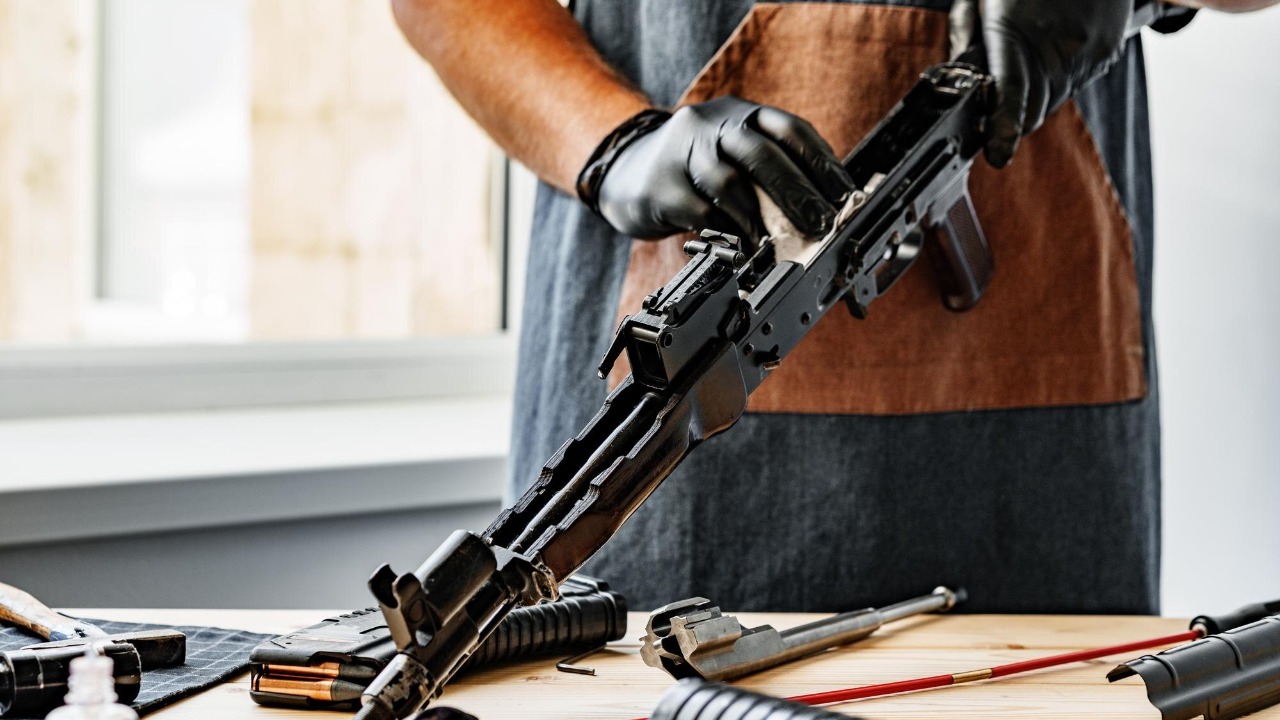
Some rifles are like reliable pickup trucks, happy with a splash of oil and the occasional wipe down. Others are more like a vintage Italian sports car that needs a mechanic, a therapist, and a small line of credit just to leave the driveway. When a gun costs more in time, parts, and frustration than it did on the sales receipt, it stops being a tool and starts being a hobby you never meant to have.
I have learned the hard way that certain rifles demand a level of maintenance that only a full‑time armorer or a very patient retiree can love. From finicky modern builds to crusty surplus projects, the pattern is the same: cheap to buy, expensive to keep running, and emotionally taxing to clean.
When “budget” rifles turn into money pits
The trap usually starts with a low sticker price and a glossy promise. Budget bolt guns and entry level hunting rifles look like a bargain until you realize the real bill arrives later in the form of replacement parts, gunsmith visits, and a growing pile of “upgrades” that are really just fixes. Even in the hunting world, experienced testers warn that rifles under about $600 can hide serious quality issues, bluntly advising readers to “Be Careful to Avoid the Junk” in the lower tier and noting that some brands have burned trust so badly that they barely “dare try a Remington again.
Once you factor in a new stock to fix flexing, a better trigger to replace the gritty original, and a scope mount that actually holds zero, that bargain rifle has quietly crept into midrange territory. One detailed comparison of .308 bolt actions found that The Mossberg was the “poorest of the rifles tested” in smoothness and overall performance compared with a Remington 700, which is a polite way of saying you will spend more time coaxing it to behave than shooting it. On the user side, stories about a Mossberg Patriot with the wrong caliber stamped on the barrel, plus odd brass behavior, show how a “free” or cheap rifle can quickly turn into a quality control scavenger hunt that ends at the gunsmith’s counter.
Surplus rifles: history projects disguised as bargains
Military surplus rifles have a special place in my heart and an even bigger place in my parts bin. The pitch is always the same: rugged old warhorse, cheap ammo, and a connection to history. The reality, as more than one milsurp fan has pointed out, is that “Surplus isn’t really cheap any” longer and that the smart beginner should focus on affordable ammunition or even a .22 training rifle instead of chasing the myth of the $99 battle rifle. Enthusiasts still dream about classics like the Lee Enfield or M1917 Enfield, helped along by Youtube channels such as Forgotten Weapons and similar deep dives, but the rifles that actually show up on the rack often need headspace checks, new springs, and a full spa day for the bore.
Even when the gun itself is sound, feeding it can be a maintenance problem in disguise. Older designs like the Mosin and Nagant family, which earned their reputation with Soviet troops in World War II from Stalingrad to Kursk, were built around corrosive ammunition and battlefield cleaning routines that do not translate well to a suburban range bag. If you shoot surplus ammo and do not clean aggressively, rust will do more “gunsmithing” than you ever wanted. Some surplus models are also singled out as over‑priced or effectively “worthless” in modern use, with commentators warning that certain oddball designs, especially on the wrong side of the Nambu line, are better left to collectors than to anyone who expects easy parts or straightforward maintenance.
Lever actions and muzzleloaders: charming, complex, and needy

Lever actions are enjoying a fashionable comeback, with nostalgic hunters rediscovering that Not all classic designs are dead. The problem is that the romance often fades the first time you try to strip one down on a kitchen table. The inner workings of the lever‑action are more complex than a simple bolt gun, and many models are notoriously harder to disassemble and reassemble. That extra complexity means more tiny parts to lose, more timing to get wrong, and more opportunities to turn a quick cleaning into an evening of creative language and YouTube tutorials.
Muzzleloaders add another layer of maintenance drama. On paper they are often inexpensive, and Generally these rifles are not costly to manufacture, which is why older designs were pushed aside as newer systems appeared. In practice, every shot is followed by a cleaning ritual that would make a dentist proud, and neglect shows up quickly as corrosion, frozen nipples, and unreliable ignition. Even when you stick with a simple #11 percussion system, you are signing up for a lifestyle of scrubbing fouling out of every crevice. The rifle itself might be cheap, but the time, specialized tools, and consumables required to keep it safe and accurate can easily outweigh the purchase price.
AR platforms and the myth of “maintenance free” modern rifles
Modern semi‑autos, especially AR‑style rifles, are often sold as if they are self‑cleaning miracles. In reality, even fans admit that The Reality The AR is that it “does require a certain amount of maintenance” for reliable performance and longevity, and that some setups “might require more frequent cleaning than others.” Put enough rounds through any rifle and something will break, but When AR rifles fail it is “almost always the bolt,” which is both a critical and relatively fragile component. That means regular inspection, proper lubrication, and a willingness to replace parts before they fail, not after they shear off in the middle of a range day.
Supporters like to point out that All successful military rifles are designed for rugged reliability, and that is true in the context of properly maintained service weapons with armorer support. Civilian builds, however, range from carefully assembled duty rifles to bargain‑bin parts kits with tolerances that would embarrass a lawnmower. On top of that, some owners bolt on heavy optics, lights, and accessories that stress mounting systems and increase the odds of something working loose. Once you start chasing malfunctions caused by cheap magazines, out‑of‑spec gas blocks, or mystery bolts, the “low maintenance” modern rifle starts to look like a high‑maintenance relationship that eats spare parts for breakfast.
Hidden costs: parts, depreciation, and everything around the rifle
The real maintenance bill is not just cleaning supplies and the occasional spring. It is the ecosystem of parts, tools, and lost value that quietly piles up around a finicky gun. Some rifles hold value because they have a strong reputation and a healthy used market, while Others “drop hard the second” they leave the store, especially when they rely on proprietary optics or are dumped in large numbers as trade‑ins. Owning a rifle that loses value quickly makes every repair feel like throwing good money after bad, particularly when you know you will never recoup the cost of that new barrel or stock.
Finding parts can be its own full‑time job. As Eric Hamilton has noted in a different mechanical context, a large part of the challenge is that Manufacturers and suppliers often stop offering individual components and instead push entire units. The same pattern shows up with certain rifles, where a broken small part means buying an entire assembly, if you can find it at all. Replacement components for intricate metal guns can get expensive quickly, and with more working pieces and complex mechanisms, the labor cost of repairs climbs right along with the parts bill. It is the same story you see with Premium Brands like John Deere or Case IH tractors, or even Cheap flatware that ends up costing more in the long run: the wrong “deal” at the start locks you into higher maintenance costs for years.
At some point, a rifle that constantly needs new bolts, obscure springs, or gunsmith time stops being a tool and becomes a project. I have learned to ask a few blunt questions before bringing one home: Can I get parts easily, or will I be hunting auction sites at midnight? Does the design lend itself to simple field stripping, or will I be juggling tiny screws over a carpeted floor? And perhaps most important, if I decide I am tired of funding its lifestyle, will anyone else actually want to buy it? If the honest answer to any of those is “no,” then that rifle is likely to demand more maintenance than it is worth, no matter how seductive the price tag looks on day one.