
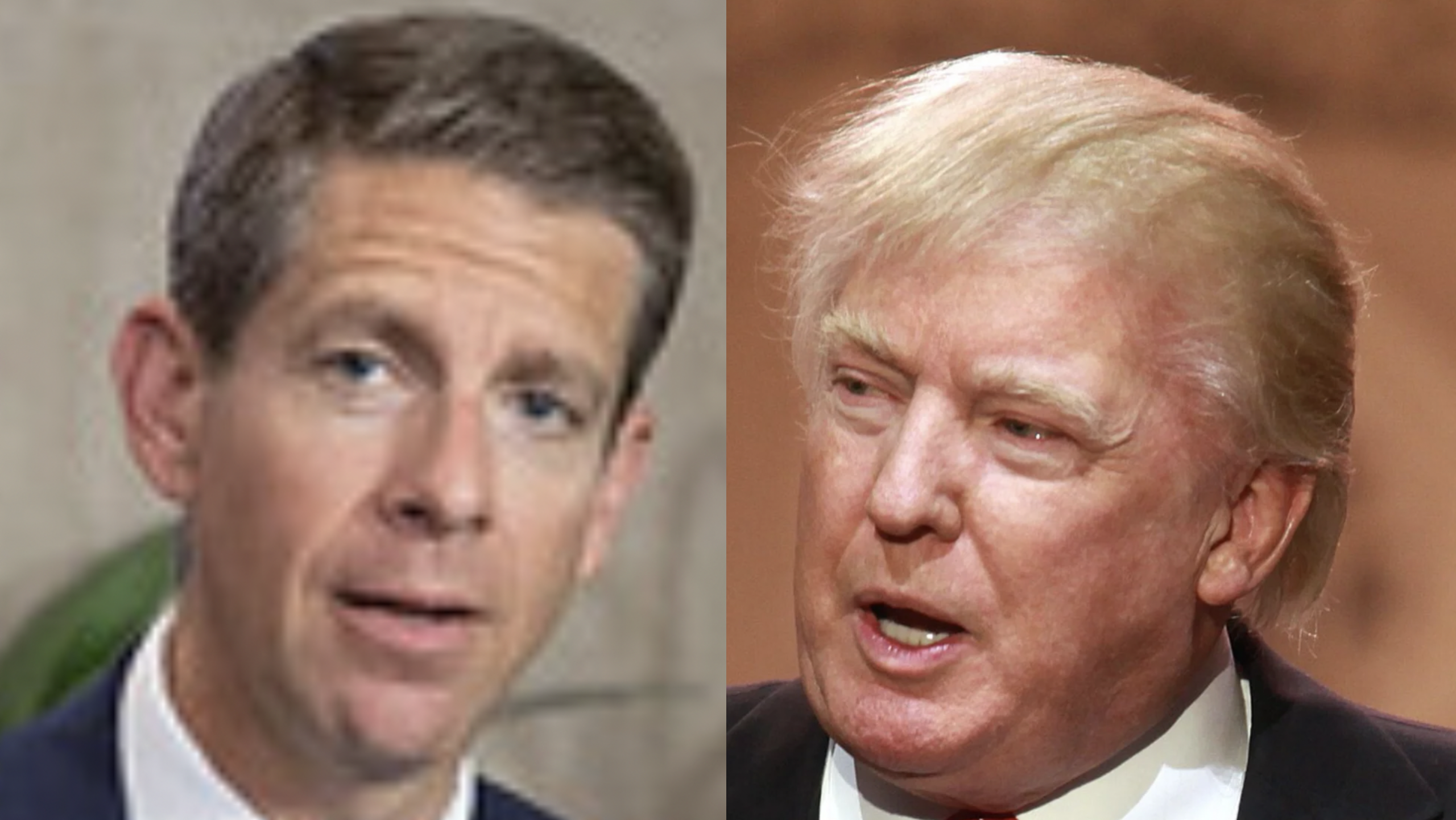
WASHINGTON — U.S. Representative Mike Levin (D-Calif.) sharply criticized the Trump administration’s newly transmitted memorandum of understanding with Iran on Thursday, June 18, 2026, calling the agreement “a joke” in a post on X shortly after the White House sent the full 14-point text to Congress for review.
“The White House finally sent members of Congress the new Iran deal. It didn’t take very long to read. In short, I think it’s a joke. It hands Iran everything and gets almost nothing back,” Levin wrote.
Levin represents California’s 49th Congressional District, which includes North County San Diego and South Orange County, home to Marine Corps Base Camp Pendleton. He sits on the House Veterans’ Affairs Committee and the House Natural Resources Committee, and has consistently framed his concerns about the Iran conflict around the cost to U.S. service members and veterans.
In his Thursday post, Levin laid out what he characterized as a one-sided arrangement. “This new deal does the opposite. It allows Iran to stay exactly where it stands today, after years of secret progress that nearly created enough uranium for 10 nuclear bombs. The hard nuclear questions get pushed to talks that may never happen,” he wrote.
He went on to detail the concessions the United States is making under the agreement’s terms. “And look at what America gives up front. We immediately waive sanctions on Iranian energy exports that fund the regime. We release roughly $24 billion in frozen assets. We even promise to organize at least $300 billion to rebuild Iran and lift every single U.S. sanction. In return, Iran promises to negotiate later,” Levin wrote.
Levin also flagged what he said was missing from the agreement entirely. “Missiles, human rights, and Iran’s terror proxies were dropped from the agenda entirely,” he wrote.
Despite the criticism, Levin reiterated that he continues to favor a negotiated resolution over continued military action. “I will always support diplomacy over a war that Americans never asked for. But a deal the enemy is celebrating tells you all you need to know about who came out on top,” he wrote.
Levin closed his post by aligning himself with criticism from across the aisle, referencing remarks made the previous day by Sen. Bill Cassidy (R-La.). “This agreement leaves America and its allies weaker. Senator Cassidy was spot on when he said yesterday that Reagan is rolling over in his grave,” Levin wrote.
The post came hours after the White House officially transmitted the text of the memorandum of understanding to Congress on Thursday, giving lawmakers their first formal look at the document’s full language. The 14-point agreement, titled the “Islamabad Memorandum of Understanding between the United States of America and the Islamic Republic of Iran,” provides for an immediate and permanent termination of military operations, with the United States agreeing to drop its embargo against Iran and work to terminate sanctions, while Iran reaffirms it will not procure or develop nuclear weapons.
Vice President JD Vance has said the agreement would reopen the Strait of Hormuz immediately and create a framework under which Iran could be reinvited into the world economy if it ends support for terrorism and abandons efforts to acquire a nuclear weapon. The deal sets a 60-day window for further negotiations on Iran’s nuclear program before any broader, final agreement would be reached.
Levin’s reaction places him among a growing number of lawmakers in both parties who have voiced concern after seeing the memorandum’s text in full. Cassidy, a Louisiana Republican, called the deal “the worst foreign policy blunder in decades” in a post on X Wednesday, writing that Iran’s nuclear ambitions “were not curbed” and that Tehran “gets to build brand-new infrastructure under this deal.”
Levin has been an active voice throughout the conflict, which began February 28, 2026, with Operation Epic Fury, on matters related to congressional oversight of the war and the treatment of service members. His Thursday statement reflects continued skepticism toward the administration’s handling of the conflict’s resolution, even as he maintains his stated preference for ending hostilities through negotiation rather than continued strikes.
A formal signing ceremony for the agreement is expected to take place in Switzerland, with the 60-day negotiating window beginning once that ceremony is finalized.