
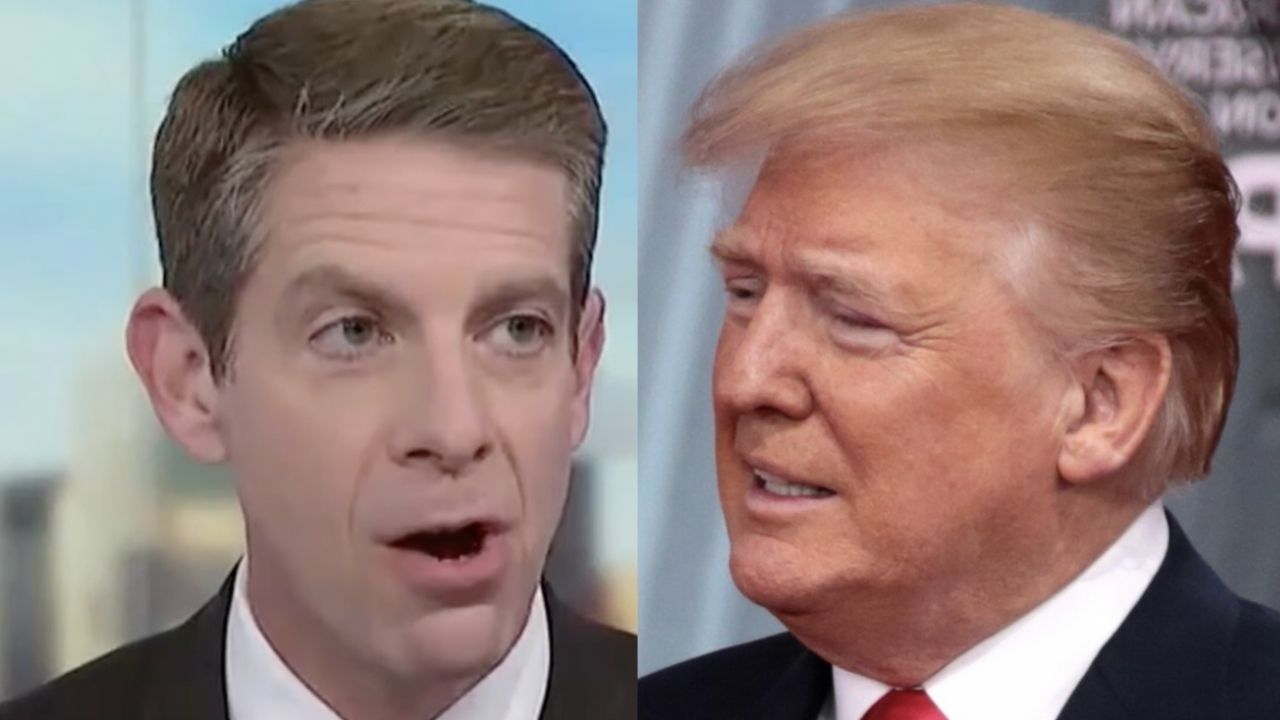
U.S. Rep. Mike Levin (D-Calif.) accused President Donald Trump on Saturday of turning a sanctions law named for the late Sen. Lindsey Graham into “a lifeline for Putin,” calling the president’s decision to waive its sanctions and tariffs “a disgrace.” Levin, who voted against the bill last month because of the waiver power it handed to Trump, wrote in a post on X that his warnings about how the president would use that authority had come true, and he pledged that Democrats would strip any president of the ability to waive Russia sanctions alone if they win back the majority.
What Levin Said
The post, published at 11:53 a.m. on Oct. 17, came less than a day after Trump signed an executive order waiving broad sanctions and duties under the Lindsey O. Graham Sanctioning Russia and Iran Act of 2026. Levin attached a Wall Street Journal report on the waiver to his post. His message traced the bill’s path from Graham’s yearslong push to the weekend before its penalties were set to take effect, and it ended with a vow of congressional action.
Levin’s full post reads:
“Just a month ago, we voted on the Russia sanctions bill named for the late Senator Lindsey Graham. He spent more than a year fighting for it because he believed Russia should pay a real price for its brutal war on Ukraine. On that, he and I were in full agreement.
I voted no. The bill handed Donald Trump the power to waive its sanctions whenever he chose, along with sweeping new tariff authority, and many of us warned that he would use that power for all the wrong reasons.
Trump signed the bill on September 18.
Last week he announced a deal to buy diesel from Russia.
And on Friday, two days before the sanctions were set to take effect, he signed an order waiving broad sanctions and tariffs under the new law, claiming it serves our national interest. The White House has offered no explanation as to how.
The head of Russia’s sovereign wealth fund celebrated it as a historic moment. President Zelenskyy said it only helps Russia. Members of both parties, including Republicans who championed this bill, rightfully have condemned these actions.
This is a disgrace.
Trump turned Graham’s bill, which was meant to choke off the money that funds Russia’s war machine, into a lifeline for Putin, the exact opposite of what Graham fought for.
When we win back the majority, we must force this administration to explain itself, and strip any president of the power to waive Russia sanctions without a vote of Congress.”
How the Graham Sanctions Law Took Shape
Graham, a South Carolina Republican, spent more than a year pushing the sanctions package before he died suddenly on July 11, 2026, a day after he and Sen. Richard Blumenthal (D-Conn.) announced a deal with the White House on the legislation. The Senate passed the bill 86-11 on Aug. 7, and the House approved it 262-159 on Sept. 16, sending it to Trump, who signed it two days later. The measure sanctions Russian officials, banks and the shadow fleet of tankers used to move Russian energy, and it authorizes tariffs of up to 100% on the top five importers of Russian oil and gas.
The final version also contained the waiver authority Levin cited. It lets the president set aside sanctions or restrictions if he certifies to Congress that doing so is in the national interest. That provision drove most of the Democratic opposition in the House, where 152 Democrats voted no while 58 joined Republicans in support. In an Aug. 31 statement, Reps. Gregory Meeks (D-N.Y.), Don Beyer (D-Va.) and Richard Neal (D-Mass.) argued that Trump already had “ample authority” to sanction Russia and that Congress did not need to grant new tariff powers for him to act.
The Diesel Deal and the Waiver
On Oct. 9, Trump announced on Truth Social that he had held a “highly successful discussion” with Russian President Vladimir Putin and that Russia would supply more than 300,000 tons of diesel to U.S. and global markets immediately, followed by 500,000 tons in November and 1 million tons after that. The Treasury Department issued a temporary general license the same day easing sanctions on Russian diesel through April 2027. U.S. diesel prices have topped $6 a gallon since the war with Iran began, and the deal came weeks before the November midterm elections.
One week later, on Oct. 16, Trump signed an executive order titled “Implementing the Lindsey O. Graham Sanctioning Russia and Iran Act of 2026.” The order stated that Trump had submitted to Congress a certification that the waiver was “in the national interests of the United States,” as the law requires. It waives the duties on Russian goods and on the largest buyers of Russian energy, along with a long list of the law’s sanctions provisions. It leaves in place sanctions imposed under earlier executive orders, and it says the waivers stay in effect until the president or the secretary of state decides further action is appropriate.
The Wall Street Journal reported that the order did not detail why the waiver serves the national interest, and that it drew criticism from some of Trump’s own allies. Ukrainian President Volodymyr Zelensky wrote on social media Saturday that “a U.S. sanctions blackout” only encourages Putin to keep attacking. Sen. Darline Graham (R-S.C.), who holds her late brother’s seat, said she would “choose to keep the pressure on Russia,” and Sen. Ted Cruz (R-Texas) said, “I think it was a mistake.” Blumenthal, a co-sponsor of the law, said the waivers had “everything to do with sucking up to Vladimir Putin.”
The criticism had been building before the order. On Oct. 13, six Democratic and six Republican senators sent Trump a letter urging him to rescind the diesel deal, saying it “only provides Putin with more fuel to finance his war machine.” Trump responded to questions about the arrangement by saying, “Nobody’s telling me anything,” and described it as a diesel deal meant for the world market, which had suffered from high prices.
Levin’s Record on Russia and Ukraine
Levin’s criticism fits a record of statements on Russia and Ukraine stretching back to the start of the full-scale invasion. On Feb. 22, 2022, he called Russia’s attack “a blatant assault on international law” and said he expected the Biden administration and allies to impose “increasingly severe sanctions” on Putin and his associates.
In an Oct. 25, 2022, statement on his continued support for Ukraine, Levin said it was paramount to maintain military support for the country’s defense. He also rejected the suggestion by some in his own party that negotiating with Putin was appropriate, describing the Russian leader as “a war criminal.”
His criticism of Trump’s posture toward Moscow also predates the current dispute. After the Feb. 28, 2025, Oval Office meeting between Trump and Zelensky, Levin said Trump “would rather side with a dictator than a democratic nation defending its freedom.” In the same statement, he wrote that “Putin is a murderous thug who illegally invaded Ukraine.”
What Comes Next
The waiver is not necessarily permanent. The Journal reported that Trump could still choose to impose the penalties at a later date. The law’s 30-day window for imposing tariffs on the largest buyers of Russian oil was set to expire Sunday, and the order’s waivers will remain in effect until the president or the secretary of state determines that further action is appropriate.
Zelensky said he expects more easing to come, writing that “sanctions relief will continue” and that the diesel deal and the move on the Graham Act are “not the end of it.” The House left Washington after its Sept. 16 vote and is not scheduled to return until after Election Day, so Levin’s vow to force the administration to explain itself, and to require a vote of Congress before any president can waive Russia sanctions, depends on the outcome of the midterms.