
U.S. Representative Pat Fallon voiced strong support for President Donald Trump’s decision to launch military action against Iran, framing it as a necessary response to nearly five decades of Iranian aggression against the United States. In statements made on May 3, 2026, the Texas congressman highlighted the long history of conflict and criticized previous administrations for failing to confront the threat posed by the Iranian regime.
Fallon’s comments came amid ongoing U.S. operations under Operation Epic Fury, which began on February 28, 2026, at the direction of the president. The campaign has targeted the Iranian regime’s security apparatus, focusing on sites posing imminent threats to American interests and regional stability. According to U.S. Central Command, the operation has struck thousands of targets, including command and control centers, Islamic Revolutionary Guard Corps headquarters, ballistic missile sites, air defense systems, and weapons production facilities.
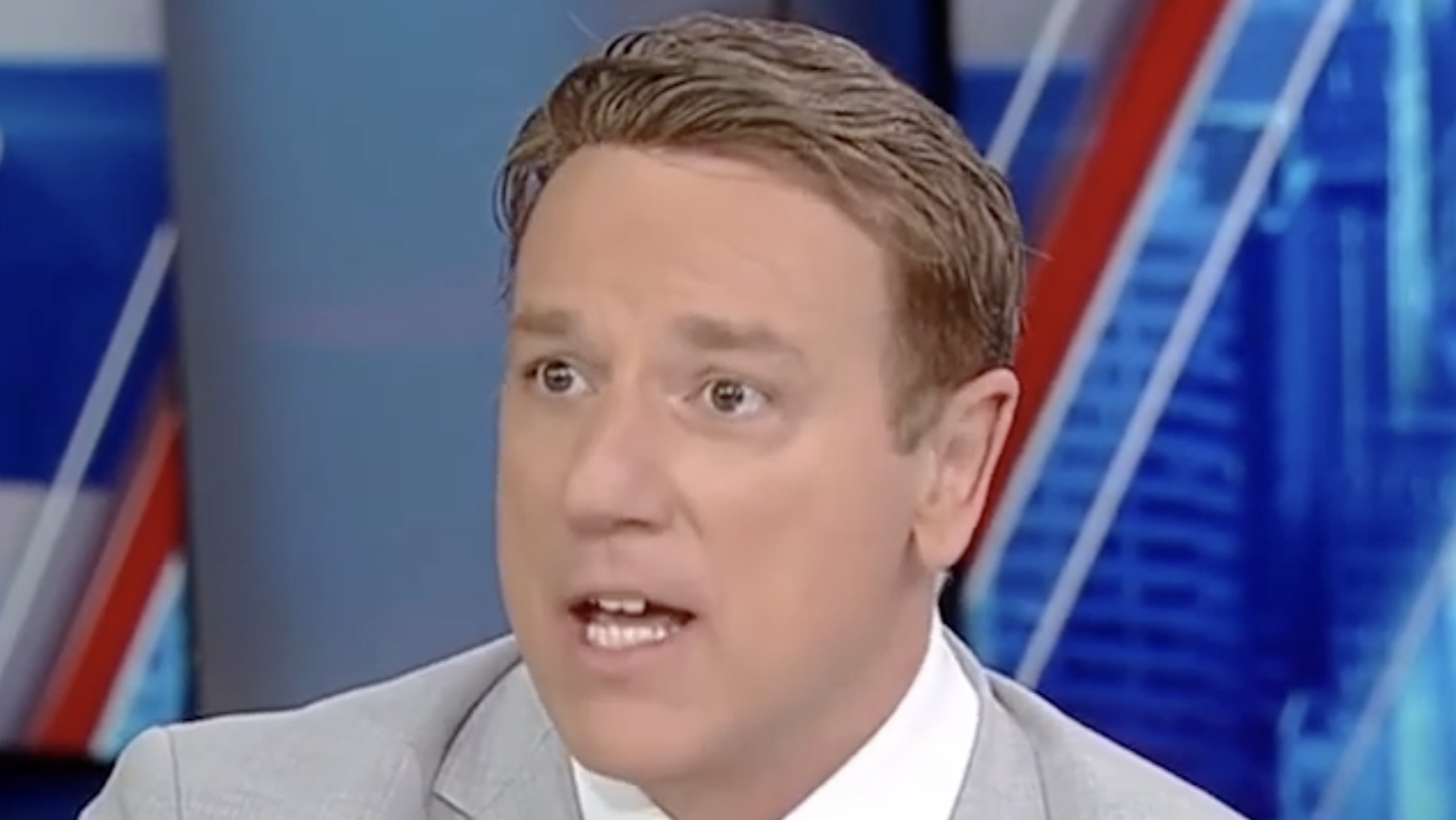
In his social media post on X, Fallon stated, “The Iranian regime has waged a war against the US for the better part of five decades. This is not a new conflict, this is President Trump ending the threat that other presidents only paid lip service to.” The post was accompanied by a video in which he elaborated on the decision-making behind the strikes and the regime’s nuclear ambitions.
During the video, Fallon explained the urgency of the situation. “No country, in history has gone to that much enrichment and then not made a nuclear weapon. And they were having they were preparing for UAV swarms and ballistic missiles to protect that so we could never get at their nuclear facilities again. So President Trump made the right call. But we are where we are now, and as Secretary Hegseth mentioned, who are you rooting for here? We need to win. This is a terror regime that has murdered 600 American service members, and we’ve been in an asymmetrical war with them for the last 47 years.”
The timeline Fallon referenced traces back to the 1979 Iranian Revolution, when the current regime took power and began a pattern of hostility toward the United States. Iranian leaders and crowds have repeatedly chanted “Death to America” in public demonstrations over the decades, underscoring the ideological confrontation. Fallon argued that past presidents offered only rhetorical responses without decisive action to neutralize the growing danger.
U.S. forces have employed a wide array of assets in Operation Epic Fury, including B-2 stealth bombers, F-22 and F-35 fighters, nuclear-powered aircraft carriers and submarines, guided-missile destroyers, and various reconnaissance and electronic warfare aircraft. These operations have damaged or destroyed more than 155 Iranian vessels while prioritizing the dismantling of the regime’s military infrastructure, from integrated air defense systems to drone and missile manufacturing sites.
Significant leadership losses have marked the campaign. U.S. actions resulted in the deaths of Iran’s supreme leader along with more than 40 other senior Iranian leaders and officials. These strikes have aimed to disrupt command structures and weaken the regime’s ability to coordinate threats against American forces and allies in the region.
Fallon emphasized that the Iranian regime’s uranium enrichment activities had reached a point where nuclear weapon development appeared inevitable based on historical precedents with other nations. He noted that Iranian preparations for defensive swarms of unmanned aerial vehicles and ballistic missiles indicated plans to shield these nuclear sites from future intervention, making timely action critical.
The congressman’s remarks underscore a shift in U.S. policy from decades of containment and sanctions to direct military engagement. Previous administrations, according to Fallon, had acknowledged the Iranian threat through statements and limited measures but stopped short of confronting the regime’s core capabilities in a comprehensive manner.
As of early May 2026, Operation Epic Fury continues with strikes on military support infrastructure, surface-to-air missile facilities, and communication capabilities. The involvement of advanced systems such as Patriot interceptors, THAAD missile defense, and high mobility artillery rocket systems has supported broader efforts to protect U.S. and partner forces while degrading Iranian offensive potential.
Fallon’s perspective reflects a broader defense community assessment that the Iranian regime’s actions, including support for proxy groups and attacks resulting in American casualties, constituted an ongoing asymmetrical conflict spanning 47 years. He positioned Trump’s decision as a break from prior inaction, aimed at achieving victory against what he described as a terror regime.
The operation’s scale involves coordination across air, sea, and land domains, with refueling aircraft, cargo transports, attack helicopters, and surveillance drones playing key roles in sustaining pressure on Iranian targets. Over 13,000 targets have been struck, demonstrating the extensive scope of the campaign to neutralize threats from ballistic missiles, anti-ship missiles, and weapons storage bunkers.
In closing his remarks, Fallon stressed the need for full commitment to success in the conflict. His statements reinforce the view within certain defense circles that decisive leadership was required to end the prolonged pattern of Iranian provocations that had persisted since the late 1970s. The developments mark a significant chapter in U.S. military engagement in the Middle East.