
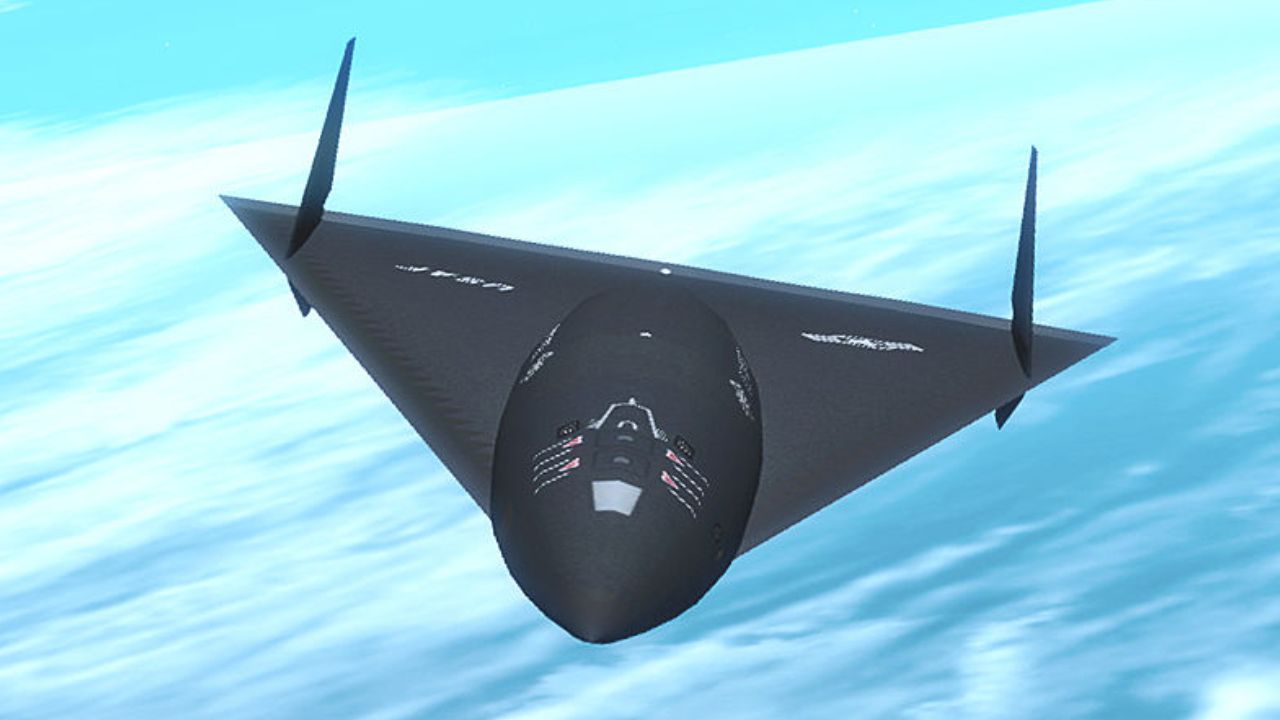
The existence of the SR-91 Aurora, a purported U.S. hypersonic spy plane, has been a topic of intrigue and speculation for decades. Allegedly capable of reaching speeds beyond Mach 5, the Aurora has been shrouded in mystery, with debates about its reality continuing to this day. This article delves into the evidence and arguments for and against the Aurora’s existence, offering a comprehensive look at one of aviation’s most enduring myths.
The Legend of Aurora: Origins and Claims
Early Reports and Sightings
In the late 1980s and early 1990s, a series of reports and alleged sightings sparked widespread speculation about the existence of a secret hypersonic spy plane, supposedly named the Aurora. These reports often came from individuals who claimed to have witnessed unusual contrails or sonic booms, which they attributed to a high-speed, high-altitude aircraft. Some of these accounts originated near Air Force bases, fueling theories that the U.S. military was testing a new type of aircraft.
The intrigue deepened when a 1985 U.S. budget document mentioned a mysterious “Aurora” project, leading many to believe it was a code name for this advanced aircraft. Despite the lack of solid evidence, the Aurora legend gained traction, bolstered by the Cold War climate and the technological race between the United States and the Soviet Union.
Technological Breakthroughs
Developing a hypersonic aircraft capable of sustained speeds beyond Mach 5 would have required significant technological breakthroughs. The materials used in the aircraft’s construction would need to withstand extreme temperatures and pressure. Additionally, advancements in propulsion systems, such as scramjets, would have been necessary to achieve and maintain such high speeds.
During the late 20th century, the U.S. did make strides in aerospace technology, as seen with the development of the SR-71 Blackbird, which could fly at speeds over Mach 3. However, many experts argue that the leap to a Mach 5 aircraft within the same period may have been too ambitious given the technological constraints of the time.
Government Silence and Secrecy
The U.S. government has never confirmed nor denied the existence of the Aurora, maintaining a stance of silence that has only fueled further speculation. This secrecy is not uncommon in military projects, especially those involving advanced technology and national security.
Some analysts suggest that the government’s silence might indicate an effort to protect a genuine program, while others believe it is a strategic move to keep adversaries guessing. As with other classified projects, the lack of transparency has led to a proliferation of theories and conjectures about the Aurora’s true nature and capabilities.
Evaluating the Evidence: Fact or Fiction?
Eyewitness Accounts and Leaked Documents
Over the years, various eyewitness accounts and alleged leaked documents have been presented as evidence of the Aurora’s existence. Some individuals claim to have seen a triangular-shaped aircraft or heard distinctive “doughnut-on-a-rope” contrails, which they attribute to the Aurora. Additionally, declassified documents occasionally allude to advanced aircraft projects, though none explicitly confirm the Aurora.
While these accounts add to the mystery, they are often anecdotal and lack verifiable proof. The skeptics argue that these sightings could be misinterpretations of existing aircraft or natural phenomena, casting doubt on claims of the Aurora’s existence.
Skepticism and Debunking
Many aviation experts and analysts remain skeptical about the Aurora, suggesting that it is more myth than reality. Some point to the absence of concrete evidence and the implausibility of developing such an advanced aircraft in secrecy as reasons for doubt. The lack of physical evidence and the challenges associated with hypersonic flight further support the argument against the Aurora’s existence.
Moreover, critics highlight that the Aurora might be a misunderstood code name for other projects or technologies, further muddying the waters of what is fact and what is fiction. The narrative of the Aurora could simply be a result of Cold War paranoia and misinformation, rather than a reflection of an actual aircraft.
Comparisons to Known Aircraft
Comparisons between the rumored Aurora and known aircraft like the SR-71 Blackbird and the conceptual SR-72 have been drawn to evaluate its plausibility. The SR-71, once the pinnacle of spy plane technology, was capable of flying at Mach 3, yet it was eventually retired due to high operational costs and advancements in satellite technology.
The conceptual SR-72, on the other hand, represents a potential future in hypersonic reconnaissance, with Lockheed Martin suggesting it could reach speeds of Mach 6. However, whether the SR-91 Aurora preceded these advancements or even existed at all remains a subject of debate.
The Impact of the Aurora Myth on Military Aviation
Influence on Future Projects
The legend of the Aurora has undoubtedly influenced the direction of future aerospace projects. Whether or not the plane existed, the concept of a hypersonic aircraft has inspired ongoing research and development in this area. Programs focusing on scramjet technology and high-speed flight continue to push the boundaries of what is possible, drawing inspiration from the hypothetical capabilities attributed to the Aurora.
The push for hypersonic technology is evident in modern initiatives like the U.S. Air Force’s interest in the SR-72 and other hypersonic weapons systems. The allure of faster, more evasive aircraft continues to drive innovation and investment in this critical area of military technology.
Public and Media Fascination
The Aurora myth has captivated the public and media, becoming a staple of conspiracy theories and speculative journalism. The idea of a secret, ultra-fast spy plane taps into a broader cultural fascination with hidden military projects and government secrets. Popular culture, including movies and literature, often reference such aircraft, further embedding the Aurora into the public consciousness.
This fascination is not just about the aircraft itself but also reflects a broader intrigue with advanced technology and the possibilities it represents. The Aurora serves as a symbol of both American ingenuity and the mysteries of military aviation, keeping the public engaged despite the lack of definitive evidence.