
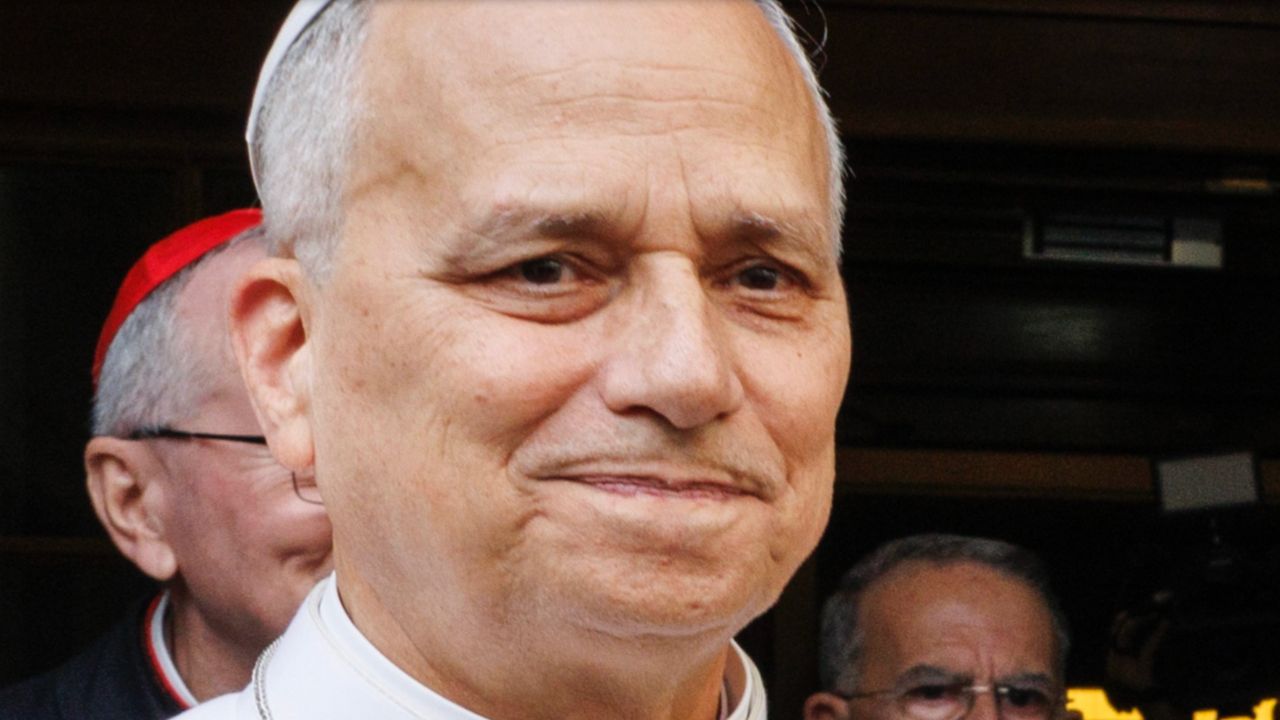
Pope Leo XIV said the death penalty is inadmissible because it attacks the inviolability and dignity of the person, and that the common good and the requirements of justice can be met without it. He did not name Nidal Hasan, Fort Hood, or the United States. The Army’s order for a firing-squad execution remains on the record.
“The death penalty is inadmissible because it is an attack on the inviolability and dignity of the person,” Leo wrote Saturday on the account of the Holy See. “The common good can be safeguarded and the requirements of justice can be met without recourse to capital punishment: effective systems of detention have been developed that protect citizens while at the same time do not completely deprive those who are guilty of the possibility of redemption.” He used the hashtag NoDeathPenalty. The post does not mention a country, a case, or a date.
The sentence is older than his pontificate. A 2018 revision of Catechism paragraph 2267, approved by Pope Francis, says that recourse to the death penalty was long considered an appropriate response to certain crimes, but that today there is an increasing awareness that the dignity of the person is not lost even after very serious crimes, and that more effective systems of detention protect citizens without definitively depriving the guilty of the possibility of redemption. It concludes that the Church teaches, in the light of the Gospel, that “the death penalty is inadmissible because it is an attack on the inviolability and dignity of the person,” and that she works for its abolition worldwide. Saturday’s post uses that language.
Leo has already applied it to the United States in general. In an April 24 video message to a DePaul University event marking the 15th anniversary of Illinois’s abolition of the death penalty, he said Pope Francis and recent predecessors had insisted the common good can be safeguarded without capital punishment, and he quoted the same inadmissible line. He offered support to those advocating abolition in the United States and around the world. That message named Illinois. It did not name a prisoner or a military case.
The American military order is separate. An Oct. 7 Army release said Acting Secretary of the Army Adam Telle directed on Oct. 6 that Hasan be executed by firing squad at Fort Hood, Texas, at 1 p.m. CST on Dec. 3, 2026. It said President Donald Trump approved the death sentence on Oct. 2, after a full appellate process upheld the conviction. The release does not mention the Holy See, a livestream, or a public viewing.
The conviction is older. A Sept. 3, 2013, Army release said a court-martial panel at Fort Hood found Maj. Nidal M. Hasan guilty of 13 counts of premeditated murder and 32 counts of attempted premeditated murder for the Nov. 5, 2009, shooting, and sentenced him to death on Aug. 28, 2013. The 2026 release says the jury found him guilty of all 42 counts on Aug. 23. The 2013 release said the last service member executed by the military was Pvt. John A. Bennett, hanged on April 13, 1961, at Fort Leavenworth.
The appeals path has closed, on the Army’s account. The Supreme Court docket in Hasan v. United States, No. 24-5225, shows the petition was denied on March 31, 2025. The Army release cites that denial. Army Regulation 190-55 says the method is designated by the secretary of the Army and limits viewing to assembled witnesses. It does not address a papal objection or a religious claim.
Leo’s objection is categorical. He said detention can protect citizens without depriving the guilty of the possibility of redemption. The Army called Hasan a convicted murderer and set a date and a method. Neither document answers the other. The post does not ask the United States to halt the order. The order does not mention the Church.
“Inadmissible” and “dignity of the person” are the pope’s, in a formulation the Catechism has carried since 2018 and that he repeated in April and again on Saturday. The firing squad, the date, and the place are the Army’s. The gap is that a general condemnation of capital punishment and a specific military execution order were published in the same week, and neither text names the other.