
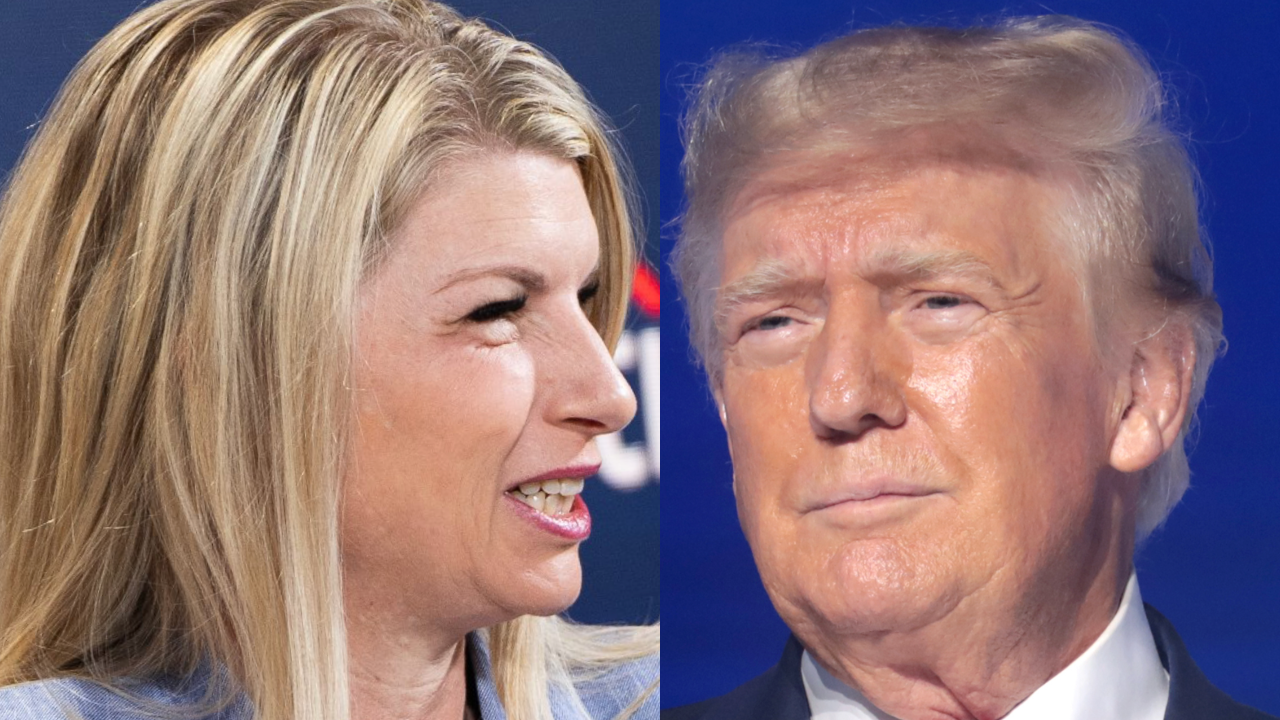
Rep. Brittany Pettersen of Colorado said the Trump administration’s Department of Veterans Affairs eliminated a low-interest loan modification option that had kept struggling veterans out of foreclosure, arguing the change is pushing former service members toward homelessness.
“Our servicemembers put everything on the line to protect us. In turn, we have a duty to ensure they have the opportunities they deserve when they come home,” Pettersen wrote on X. “But Donald Trump’s VA cut a program that supported veterans who fall behind on their home loans, forcing them into high-interest loans and many times into foreclosure. Far too many veterans are already more vulnerable to homelessness, and the Trump Administration’s cruel policy choices are about to make the problem much worse. The cruelty of their policies has no bounds.”
Pettersen was responding to CPR News reporter Caitlyn Kim, who wrote on X that “last year the VA abruptly ended the only low-interest rate, loan modification option for thousands of vets who are behind on their mortgages,” linking an NPR report soliciting stories from affected veterans.
The program in question is the Veterans Affairs Servicing Purchase program, known as VASP, which the VA implemented on May 31, 2024, under the Biden administration as a last-resort option in its Home Retention Waterfall for veterans behind on VA-guaranteed home loans. Under VASP, the VA purchased defaulted loans directly from servicers and restructured them at a fixed 2.5 percent interest rate, holding them as VA-owned direct loans regardless of prevailing market rates. The program helped more than 33,000 veterans avoid foreclosure before the VA stopped accepting new applications on May 1, 2025.
The VA announced the wind-down in Circular 26-25-2, issued April 23, 2025, giving servicers roughly one week’s notice before the May 1 cutoff. The circular stated the program had been created without congressional authorization and that operating as a full mortgage-holding entity fell outside the VA’s core loan-guaranty mission. Housing advocates including the Center for Responsible Lending have described the closure as abrupt, and subsequent tracking has found more than 10,000 veterans lost their homes to foreclosure in the following months, with roughly 90,000 more VA loans in serious delinquency, representing the highest pace of VA loan foreclosures in roughly a decade.
Congress subsequently passed the VA Home Loan Program Reform Act, which Trump signed into law on July 30, 2025, authorizing a new Partial Claim Program modeled on tools already used by the Federal Housing Administration and Department of Agriculture. The VA formally launched the program on June 15, 2026, according to the department’s official announcement. “We are grateful to Congress and President Trump for creating VA’s Partial Claim Program, which will help keep thousands of Veterans in their homes,” VA Secretary Doug Collins said in the release.
Under the Partial Claim Program, a veteran who completes a three-month trial payment plan has their overdue mortgage amount paid by their servicer to bring the loan current, with the VA then reimbursing the servicer that same amount as a subordinate lien on the property. That amount is generally interest-free and requires no monthly payments, repaid only when the home is sold, refinanced or the original loan paid off, allowing veterans to keep their original interest rate rather than resetting to current market rates as VASP’s successor modifications did in the interim.
The VA has said it worked with mortgage servicers to help 173,000 veterans avoid foreclosure in fiscal year 2025 alone, across a range of home retention tools that include repayment plans, traditional and extended-term loan modifications, disaster-related modifications, and now the Partial Claim Program.
Replies to Pettersen’s post noted that VASP was a temporary program without clear long-term statutory authority, and that Congress and the administration have since implemented a bipartisan legislative replacement, complicating the framing of the policy as a unilateral Trump administration cut.
The roughly 13-month gap between VASP’s closure to new applicants in May 2025 and the Partial Claim Program’s formal launch in June 2026 left veterans who fell into default during that window dependent on other, less generous loss-mitigation tools, which NPR’s reporting has said contributed to elevated foreclosure activity during that period.
Veterans currently struggling to make VA loan payments can access the Partial Claim Program and other retention options by contacting the VA directly, according to the department’s official guidance page on avoiding foreclosure.
Neither the White House nor the VA has issued a direct public response to Pettersen’s statement.