
In the spring of 1943, Allied planners turned a single anonymous corpse into a weapon sharp enough to misdirect an empire. Operation Mincemeat, a British deception scheme, used a fabricated officer and forged papers to persuade Nazi leaders that the next Allied blow would fall far from its true target. The result was a strategic miscalculation at the highest levels of German command that helped open the door to the invasion of Sicily and shifted the course of the Second World War.
The story has the texture of fiction, yet it unfolded in the most secret corners of wartime bureaucracy, under planning documents stamped with the stark heading “Most Secret”. Behind the better known battles and campaigns of the conflict, this quiet operation showed how imagination, paperwork and a carefully prepared body could be as decisive as tanks or bombers.
From paper war to a plan for a dead man
By 1943, the Mediterranean had become a chessboard where every move was anticipated, and the Allies needed a way to make Adolf Hitler look the wrong way. Strategic deception was not an improvisation but, as one account notes, “Strategic deception was, however, only one weapon in the armoury of the Allied intelligence services”, a deliberate tool used to shape enemy expectations. Within this culture of misdirection, British officers searched for a scheme that could convince the Germans that the next major amphibious assault would bypass Sicily, the obvious stepping stone into Europe, and instead fall on Greece or Sardinia.
The concept that became Operation Mincemeat grew out of this “war on paper”, where memos and forged letters could move divisions as surely as orders from a field marshal. Intelligence officers Ewen Montagu and Charles Cholmondeley developed the idea of planting false documents on a body that would appear to have died in a plane crash at sea, expecting those papers to fall into German hands through neutral Spain. Planning files for Operation Mincemeat were marked “Most Secret”, underscoring how sensitive the deception was within the British system and how much hinged on the credibility of a single dead courier, as described in material from the Imperial War Museums on the war on paper.
Building “Major Martin”: identity, body and backstory
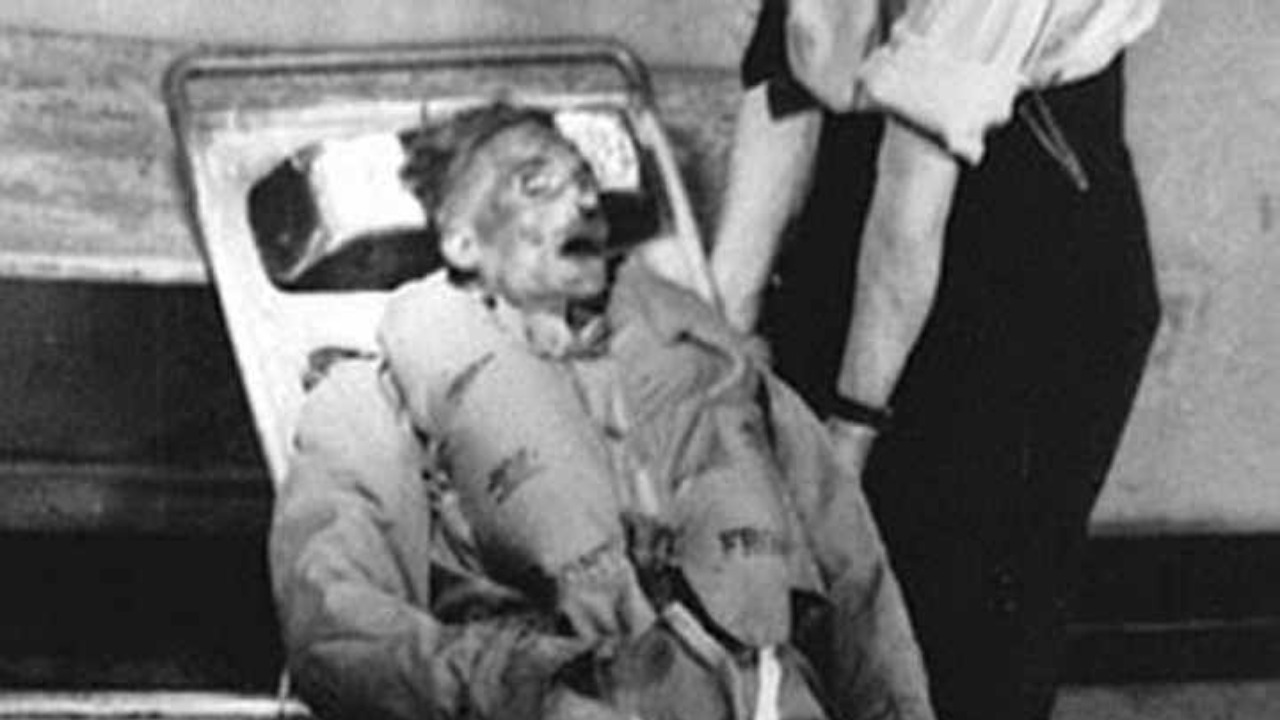
The success of the operation depended on transforming an anonymous corpse into a man the Germans would accept as real. The body used was that of Glyndwr Michael, a homeless Welshman who died in London after ingesting rat poison, whose remains could be plausibly presented as a victim of drowning with no obvious injuries to contradict the cover story. British officials, working with a cooperative coroner, preserved the body and prepared it to appear as if it had been lost at sea in an air crash, a scenario that would explain both the condition of the remains and the presence of intact documents.
On paper, Michael became Captain (Acting Major) William Martin of the Royal Marines, a fictitious officer with a meticulously crafted life. Intelligence staff assembled “pocket litter” to support the illusion, including a photograph of a supposed fiancée known as “Pam”, actually an MI5 clerk named Jean Leslie, along with theater ticket stubs, an overdraft notice from his bank and a receipt for an engagement ring. The attention to such mundane details was deliberate, intended to convince any investigator that “Major Martin” was a genuine officer whose private life had been interrupted by war. Later accounts of the Identity of the corpse note that Ewen Montagu resisted revealing Glyndwr Michael’s name for years, describing him only as “a bit of a ne’er-do-well”, which underlined how the fictional Major Martin had, for a time, eclipsed the real man.
The documents that moved divisions
At the heart of the deception was not the body but the paperwork it carried. The key item was a “personal and most secret” letter between senior Allied commanders that, in casual language, suggested that the main Allied invasion would strike Greece and Sardinia, while referring to Sicily only as a diversion. The tone was designed to feel authentic, as if the writers assumed the letter would never be read outside a small circle of trusted officers. This was classic strategic misdirection, using apparently routine correspondence to plant a false narrative in enemy minds, consistent with the broader pattern of Strategic deception that the Allied services were refining at the time.
The letter was supported by additional documents that reinforced the illusion, including references to notional units and operations that would make sense only if Greece and Sardinia were the true objectives. The planners understood that German intelligence would scrutinize every inconsistency, so the package had to withstand hostile analysis. Later research on What Operation Mincemeat was describes how the British expected these “top secret” papers to be photographed and passed up the German chain of command, which is exactly what happened. The documents were not simply props; they were the operational core of a plan intended to shift entire German formations away from Sicily and into the Balkans.
Delivery to Spain and the German bite
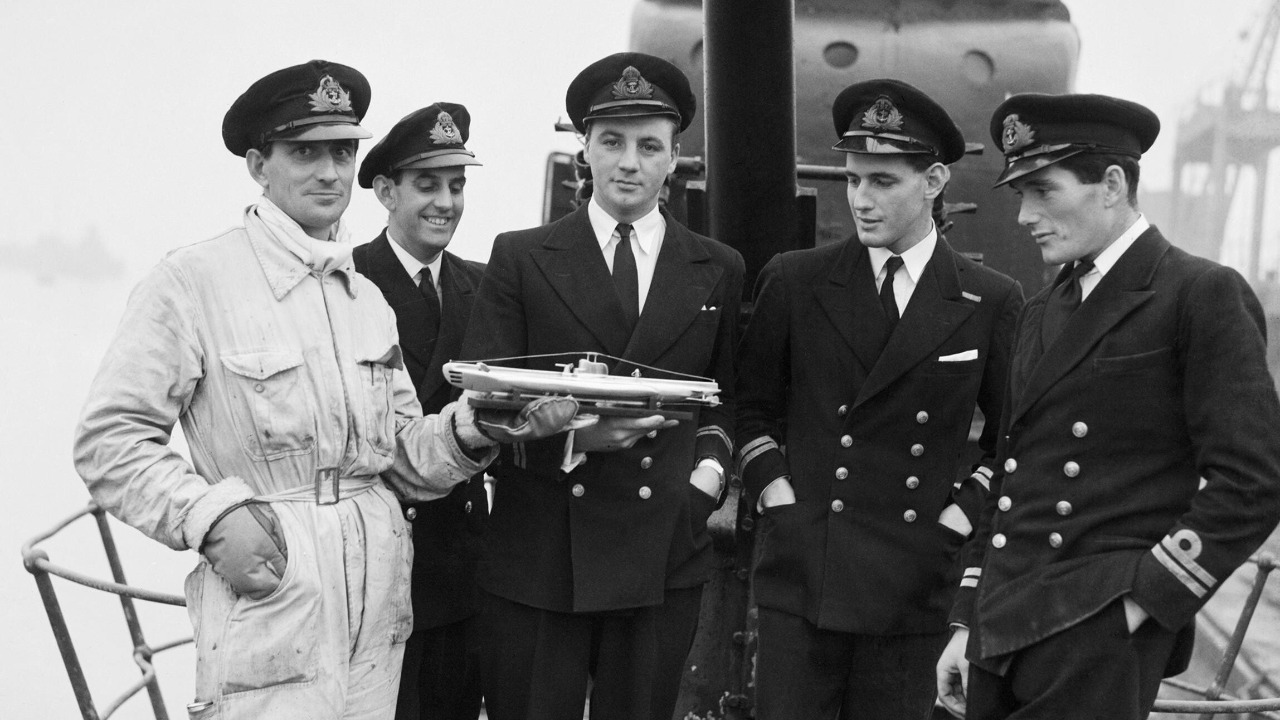
Turning the plan into reality required getting the body, and its papers, into waters where German intelligence could plausibly acquire them without suspecting a plant. The corpse of “Major Martin” was sealed in a special canister filled with dry ice and carried aboard the British submarine HMS Seraph. Off the coast of Huelva in southwestern Spain, a region known to host active Nazi agents, the crew released the body into the sea so that it would drift ashore and appear to be the victim of a crash. Accounts of Secret Agents, Secret Armies and Operation Mincemeat describe how the canister was disguised as if it contained a secret meteorological device, adding another layer of plausible cover.
The body washed ashore near Huelva and was recovered by local authorities, who followed normal procedures and informed British representatives. Behind the scenes, sympathetic Spanish officials allowed German Abwehr officers to access and photograph the documents before returning them, apparently unopened, to the British. The ruse depended on Berlin believing that the British did not know the papers had been compromised. According to later reconstructions of Operation Mincemeat, the material was judged reliable by German analysts and eventually reached Adolf Hitler, who accepted the deception and ordered forces, including armored units, shifted toward Greece and the Balkans.
Impact on Sicily and the story’s long afterlife
When Allied troops came ashore in Sicily in the summer of 1943 under Operation Husky, they faced a defense weakened by the redeployment of German formations that had been sent to meet a phantom threat in Greece and Sardinia. Contemporary assessments and later academic work argue that Operation Mincemeat was a successful deception that helped persuade German planners to divert attention and resources away from Sicily, easing the invasion and reducing expected casualties. One analysis from the University of Plymouth notes that the operation encouraged the Germans to anticipate attacks into Sardinia and Corsica, reinforcing the idea that the central Mediterranean was not the immediate focus of Allied strategy, and credits Operation Mincemeat as a successful Allied deception.
The human story did not end with the invasion. Glyndwr Michael was buried in Huelva under the name “Major William Martin”, and decades later an additional inscription was added to acknowledge his true identity and his role in the war. The operation has since inspired books and screen adaptations, including a recent film titled Operation Mincemeat, subtitled “The True Spy Story that Changed the Course of World War II”. That subtitle captures how a single corpse, armed with forged letters and a carefully invented life, helped fool an empire and demonstrated that in modern conflict, information and imagination can be as lethal as any weapon.