
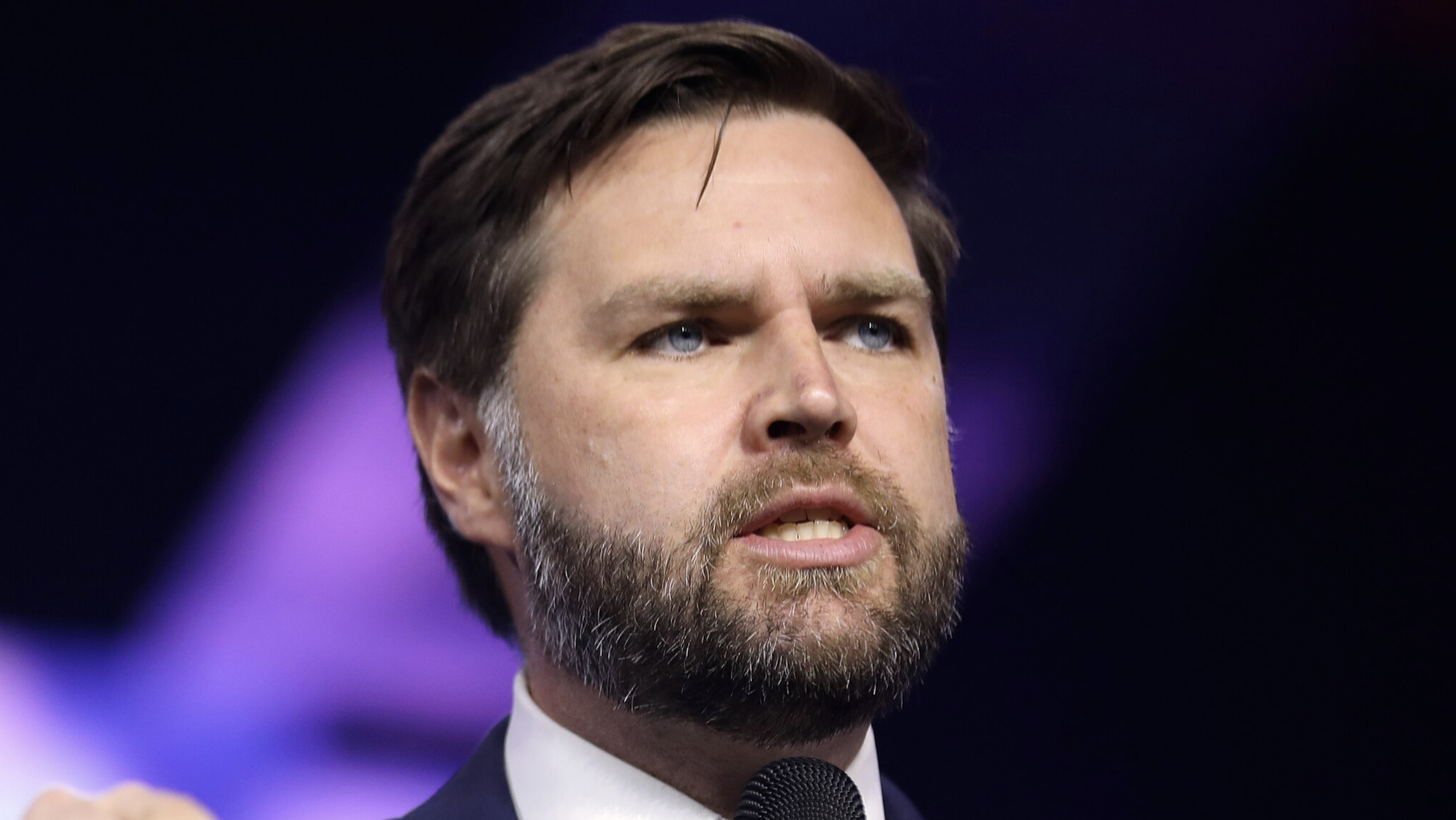
WASHINGTON — Vice President JD Vance on Tuesday flatly rejected claims that the United States will send any money to Iran as part of the emerging nuclear framework agreement, calling widespread reports about a $300 billion payment “Iranian propaganda” and accusing some members of the media of amplifying hardline talking points from Iran’s Islamic Revolutionary Guard Corps.
Speaking to reporters on Fox News on Tuesday, June 16, 2026, Vance was pressed directly on several financial claims that have circulated since President Trump announced the framework’s completion — among them, reports from Iranian state media that Qatar and Gulf states would pay $300 billion in reparations to Tehran and that $23 billion in frozen Iranian assets would be unfrozen as part of the deal’s initial terms.
“Most of that is Iranian propaganda,” Vance said. “The Iranians — well, their conventional military is destroyed, their country is destroyed, they have different leadership — some elements in society are trying to sell this deal as positively as possible to their domestic audience. That is expected.”
“Not a Single Cent”
What Vance said he did not expect was the degree to which certain media figures were, in his view, carrying water for Tehran’s hardline faction rather than accurately reporting what the deal contains.
“What is unexpected is you see certain people in the media recirculating hard-liner talking points from the IRGC instead of telling the truth about what is going on,” he said. “Not a single cent of American money goes to Iran. Not any money floating around.”
The vice president’s remarks came one day after he confirmed on CBS Mornings that Iran could theoretically gain access to a $300 billion reconstruction fund — but made clear at the time, and again Tuesday, that such a fund would be financed entirely by Gulf nations such as Qatar, the UAE, and Saudi Arabia, not by the United States. That distinction, Vance argued, is being deliberately blurred by those seeking to frame the deal unfavorably to Iranian hardline audiences at home.
What Is Actually in the Deal
According to Vance, the framework does not include any direct American financial outlay to Iran. What it does include, he said, is a structure in which Gulf Arab partners may choose to invest in Iranian reconstruction — but only if Iran fulfills specific and verifiable obligations under the agreement.
The vice president also addressed the claim regarding unfrozen assets. The day prior on CBS Mornings, when asked about a specific figure of $24 billion in frozen Iranian funds, Vance was notably direct in pushing back on that number as well, saying it “just doesn’t appear anywhere in any of the texts that we’ve talked about with the Iranians.” What American negotiators have discussed, he said, is the possibility of eventually unfreezing some Iranian assets — but he framed economic normalization as a much larger and longer-term proposition than any specific asset release.
Iranian state media had claimed the memorandum of understanding requires the release of all sanctions on Iran, a $300 billion reconstruction plan financed by the United States and its allies, the release of nearly $30 billion in blocked Iranian funds, and the exclusion of any negotiation over Iran’s missile program or proxy support — all claims the Trump administration has contested.
A Deliberate Information Campaign
Vance argued Tuesday that the divergence between what Iranian officials are saying publicly and what is actually in the agreement reflects a calculated domestic political strategy in Tehran. Iran’s conventional military has been devastated by U.S. strikes since Operation Epic Fury launched on February 28, 2026. The country’s economy is under sustained pressure from the American naval blockade, which restricted port traffic and sent oil prices to a peak of $126 per barrel. Under those circumstances, Vance suggested, certain elements within Iran’s leadership have an incentive to oversell the financial benefits of any deal they agree to.
“Some elements in society are trying to sell this deal as positively as possible to their domestic audience,” he said. “That is expected.”
What he found less acceptable, Vance made clear, was for that messaging to migrate into American news coverage without pushback.
The Structure of Benefits
Rather than a direct American payment, the deal as Vance described it rests on a conditional economic architecture built around Gulf investment and the potential lifting of U.S. sanctions on Iran’s broader economy — contingent on Iran meeting its obligations under the framework. The administration has argued that unsanctioning Iran’s economy over time, should Tehran comply, represents a far more significant economic prize than any specific asset release or reparations figure.
For now, Vance said, the financial narrative coming from Iranian state media serves one audience in one direction, and Americans should be clear-eyed about that.
“Not a single cent of American money goes to Iran,” he repeated. “Not any money floating around.”
The formal signing ceremony for the framework agreement is scheduled for June 19 in Switzerland, where Pakistani Prime Minister Shehbaz Sharif — who served as a mediator in the negotiations — confirmed the parties are expected to sign. Technical talks on implementation are set to begin in the days following.