
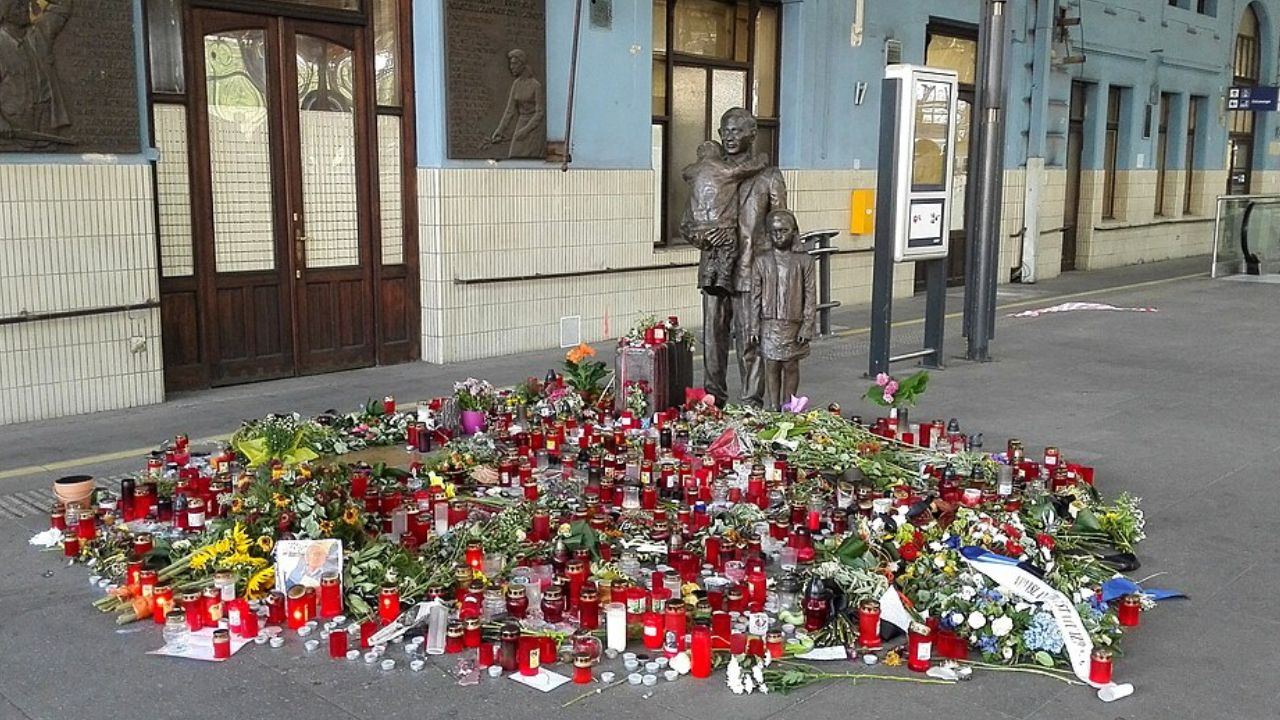
Nicholas Winton, often dubbed “Britain’s Schindler,” orchestrated the rescue of 669 children from Nazi-occupied Czechoslovakia on the eve of World War II. His remarkable story of courage and compassion remained largely unknown for decades until it was serendipitously uncovered. We explore the extraordinary actions and the lasting legacy of a man who quietly changed the course of history.
The Genesis of a Heroic Mission
The late 1930s in Europe were marked by political upheaval and a looming sense of dread as Nazi Germany’s ambitions became increasingly aggressive. The Munich Agreement of 1938, which allowed Hitler to annex parts of Czechoslovakia, left many Jewish families in grave danger. Against this backdrop, Nicholas Winton, a young stockbroker from London, found himself in a unique position to witness these unfolding events. When he traveled to Prague in December 1938, what was intended as a ski holiday quickly turned into a mission of immense importance.
As Winton observed the worsening conditions and the growing threat posed to Jewish families by the Nazis, he realized the urgent need for action. The stark reality of families being torn apart and the increasing hostility towards Jews compelled him to act. It was in Prague that Winton made the pivotal decision to establish a rescue operation. With a sense of urgency, he began organizing what would become known as the Kindertransport, under the guise of arranging holiday trips for children. This clever ruse allowed him to begin the monumental task of saving lives from impending catastrophe.
The Rescue Operation: Kindertransport
Executing the Kindertransport was no small feat; it required intricate planning and a network of dedicated individuals. Winton and his team faced the daunting challenge of securing transportation for hundreds of children from Czechoslovakia to safety in Britain. Beyond just logistics, obtaining the necessary paperwork and entry visas was a formidable hurdle. The British government, while supportive, imposed strict limitations and bureaucratic obstacles that Winton had to navigate with tact and determination.
Despite these challenges, Winton’s operation managed to bring 669 children to safety, each with their own harrowing story of escape and resilience. The children, once safe in the UK, were taken in by British families, beginning new lives far removed from the turmoil they left behind. These stories of survival and the fresh starts provided by Winton’s efforts are a testament to the power of compassion and action during times of crisis.
Winton’s Lifelong Secret
Remarkably, Nicholas Winton chose to keep his heroic deeds a secret for nearly 50 years. It wasn’t until 1988 that his wife, Greta, discovered an old scrapbook in their attic, filled with lists of the rescued children, their parents, and the families who took them in. Winton’s decision to remain silent about his role in the Kindertransport stems from his humble view of the operation; he believed he had simply done what was necessary.
The discovery of the scrapbook led to a heartwarming and emotional reunion with the “Winton’s Children” on a BBC program. During the broadcast, Winton was unaware that he was surrounded by many of those he had saved, now adults with families of their own. This moment of revelation not only highlighted Winton’s humility but also underscored the profound impact of his actions. The reunion can be seen in a heartwarming segment that captures the emotional weight of this extraordinary reunion.
Nicholas Winton’s Legacy
In the years following the revelation of his remarkable deeds, Nicholas Winton received numerous accolades and honors. He was knighted by Queen Elizabeth II in 2003, a fitting recognition of his contributions to humanity. His actions not only saved lives but also shaped the futures of the descendants of those he rescued, many of whom have gone on to make significant contributions in various fields across the globe.
Winton’s legacy continues to inspire acts of humanitarianism and courage today. His story serves as a powerful reminder of the profound impact one individual can have. The lessons drawn from his life are as relevant now as they were during the war, encouraging new generations to respond with empathy and action when faced with injustice. Articles like this one from BBC Culture delve deeper into how Winton’s legacy is perpetuated through ongoing efforts in humanitarian aid and awareness.
The Philosophy of “Fundamentally Reasonable Heroism”
Winton often downplayed his actions, describing them as “fundamentally reasonable heroism.” He viewed what he did not as an extraordinary feat but as a necessary response to an urgent need. This philosophy raises important questions about moral and ethical responsibilities in times of crisis. Winton’s life exemplifies how ordinary individuals can make a significant difference by choosing to act when it matters most.
His story challenges us to consider the power of individual action in the face of adversity. It encourages us to look beyond our immediate circumstances and recognize the potential we each have to effect change. Winton’s philosophy continues to resonate in contemporary discussions around humanitarian efforts and can be further explored in articles like this one from the Jewish Telegraphic Agency.
The Global Influence of Winton’s Story
Nicholas Winton’s story has been celebrated in various forms of media, from documentaries to feature films. These portrayals have helped cement his legacy and introduce his remarkable story to broader audiences. Through the lens of film and television, Winton’s life serves as both an educational tool and an inspiration, reminding us of the enduring power of empathy and action.
In honor of his work, several initiatives and foundations have been established, aiming to continue the spirit of Winton’s mission. These organizations work to address contemporary refugee crises and promote humanitarian efforts worldwide, keeping Winton’s legacy alive. As current global challenges mirror those of the past, Winton’s story remains a beacon of hope and a call to action. For more on how Winton’s influence persists today, see this Time article that explores the lasting impact of his deeds.