
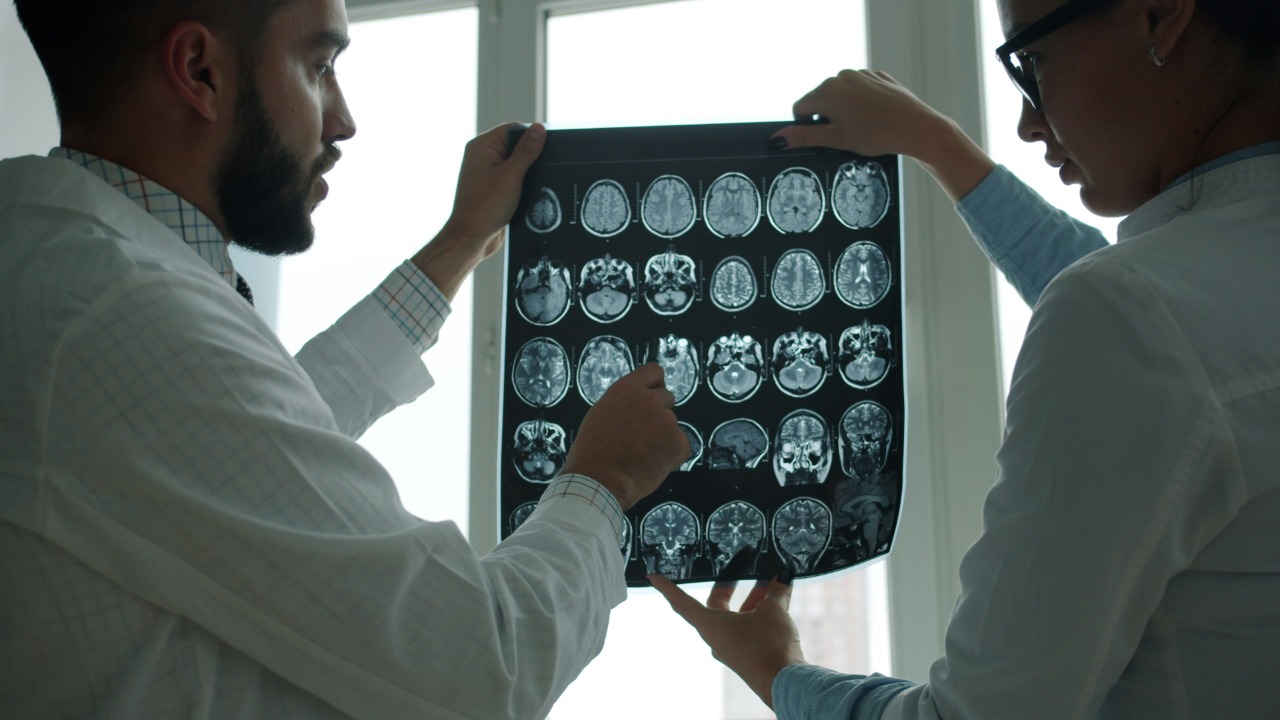
Scientists are closing in on a way to supercharge human memory, using carefully tuned brain stimulation that appears to double recall performance in early experiments and may slow the biological cascade that leads to Alzheimer’s disease. The approach, which targets the brain’s natural rhythms rather than relying on drugs, is emerging alongside a wave of breakthroughs that are reshaping how experts think about dementia prevention and treatment. Together, these advances suggest that the brain’s own electrical language could be one of the most powerful tools for protecting memory in aging minds.
The stakes are enormous. Of the 57 m people living with dementia worldwide, 60-70% are thought to have Alzheimer’s disease, a burden that is growing as populations age and that still has no definitive cure. As researchers refine noninvasive stimulation techniques and test them in people at risk, the prospect of a therapy that both boosts day‑to‑day memory and slows underlying damage is moving from speculative idea to realistic clinical goal.
How tuning brain rhythms can double memory performance
The new generation of memory‑boosting techniques is built on a simple but powerful insight: the brain encodes and retrieves memories using rhythmic electrical activity, and those rhythms can be nudged from the outside. In laboratory settings, researchers have shown that stimulating key memory hubs at specific frequencies can strengthen how new information is stored and later recalled, in some cases producing improvements that approach a 200% gain compared with baseline performance. Work highlighted in a series of studies on aging brains describes how targeting two critical regions involved in forming and stabilizing memories, and pairing stimulation with a gene that supports memory, can sharply enhance recall in older subjects, according to reporting on Targeting memory loss in two key brain regions.
These experiments are not science fiction implants. They typically rely on noninvasive tools such as scalp electrodes, sensory cues like light and sound, or precisely timed pulses delivered while people learn or sleep. In one line of work, scientists have focused on a type of brain signal called a gamma oscillation, which helps with shifting attention and binding together different elements of a memory. By driving gamma activity at a specific frequency, researchers have been able to improve how well subjects remember weak or easily forgotten information, a strategy that is now being tested as a way to counter early cognitive decline, as described in coverage of a new molecule that interacts with these brain rhythms.
The 40 Hz signal that could slow Alzheimer’s
Among the most closely watched approaches is stimulation at 40 Hz, a gamma frequency that appears to be especially important for brain health. A decade of work has built a growing body of Evidence that 40 Hz gamma stimulation promotes brain health and may help in Alzheimer’s and other neurological diseases. In animal models, driving this rhythm with flickering lights or pulsing sounds has been shown to reduce the buildup of toxic proteins, improve the function of brain immune cells, and preserve synapses that are essential for memory. These biological changes line up with behavioral gains, including better performance on tasks that depend on learning and recall.
Early human data are starting to echo those findings. A pilot study of daily 40 Hz multimodal GENUS, which combines synchronized light and sound, in people with mild Alzheimer’s disease suggested that long‑term use could benefit some patients. The authors of that pilot study reported that participants who received daily sessions over many months showed signs of slower brain atrophy and more stable cognitive scores compared with control groups. While the sample was small and the results need confirmation in larger trials, the data support the idea that carefully tuned sensory stimulation can do more than temporarily sharpen attention, it may alter the disease trajectory itself.
Noninvasive neuromodulation moves into real‑world trials

What makes these techniques especially compelling is that they are noninvasive and relatively easy to deliver, opening the door to home‑based or clinic‑based therapies that do not require surgery or complex infusions. One yearlong program funded by a major philanthropy tested a noninvasive stimulation protocol in people with early Alzheimer’s disease and found that Participants had short, painless sessions of the treatment over the course of the year, with results showing that nearly all of them experienced a slowing of clinical progression. Reporting on that non‑invasive treatment notes that the therapy appeared to stabilize several clinical aspects of Alzheimer’s disease, suggesting that neuromodulation can have durable effects when applied consistently.
Industry is now pushing the field further with personalized neuromodulation systems designed to match stimulation patterns to an individual’s brain activity. In a 12‑month phase 2 study presented at a major meeting, a company described how its device, which it calls personalized neurom modulation, slowed cognitive decline in people with mild Alzheimer’s disease compared with historical expectations, according to a Jan briefing on the results. Although full peer‑reviewed data are still pending, the study adds to a pattern emerging across academic and commercial efforts: when stimulation is tailored to the brain’s own rhythms and delivered regularly, it can produce clinically meaningful changes without the side effects associated with many drugs.
From mice to molecules: rebuilding memory circuits
Behind the headlines about doubled memory scores and slowed decline is a deeper biological story about how memory circuits can be repaired. In animal models, scientists have shown that manipulating brain activity during sleep, when memories are consolidated, can rescue information that would otherwise fade. One group working with mice found that stimulating specific brain regions during particular sleep phases boosted weak memories, effectively turning fragile traces into stable ones. Coverage of that work describes how Manipulating mouse brain activity during sleep strengthened recall of tasks that the animals had nearly forgotten, a finding that dovetails with human studies using stimulation during naps or overnight to enhance learning.
Other teams are focusing on the chemical side of memory repair. In Alzheimer’s disease model mice, a Molecule developed by UCLA researchers restored cognition and memory by enhancing energy production in neurons and reducing the accumulation of toxic proteins. The compound, tested in the brains of Alzheimer model animals, improved performance on maze tests and other measures of learning, according to a report on how the Molecule restores cognition and memory. Parallel work at the University of Virginia School of Medicine has identified an immune molecule called STING that appears to drive damaging inflammation in conditions including dementia and Alzheimer’s, raising the possibility that blocking STING could protect brain tissue, as described in reporting on Researchers at the University of Virginia School of Medicine.
A broader shift in the Alzheimer’s playbook
The surge of interest in brain stimulation and circuit repair is part of a wider rethinking of how to tackle Alzheimer’s disease. For years, drug development focused almost exclusively on clearing amyloid plaques, with limited impact on real‑world function. Now, scientists are layering multiple strategies that target lifestyle, immune pathways, and neural activity at once. A major U.S. clinical trial of older adults at risk for cognitive decline, known as Alzhe, tested two healthy lifestyle plans and found that structured changes in diet, exercise, and cognitive training could slow memory loss, according to reporting on Alzhe and other 2025 breakthroughs. When such behavioral interventions are combined with neuromodulation that directly strengthens memory circuits, the effect could be greater than either approach alone.
At the same time, global awareness of the scale of the problem is sharpening the urgency of this work. Of the 57 m people living with dementia worldwide, 60-70% are estimated to have Alzheimer’s disease, according to analysis by Jun and Madeleine North on recent breakthroughs in the fight against Alzheimer’s. That same reporting highlights how new tools, from blood tests that detect early disease to immune‑targeting drugs and brain stimulation devices, are converging into a more comprehensive toolkit. As evidence accumulates that techniques like 40 Hz GENUS, personalized neuromodulation, and sleep‑phase stimulation can both boost memory performance and slow structural brain damage, clinicians are beginning to imagine a future in which Alzheimer’s is managed with a combination of lifestyle programs, targeted molecules, and precisely tuned electrical rhythms rather than a single silver‑bullet pill.