
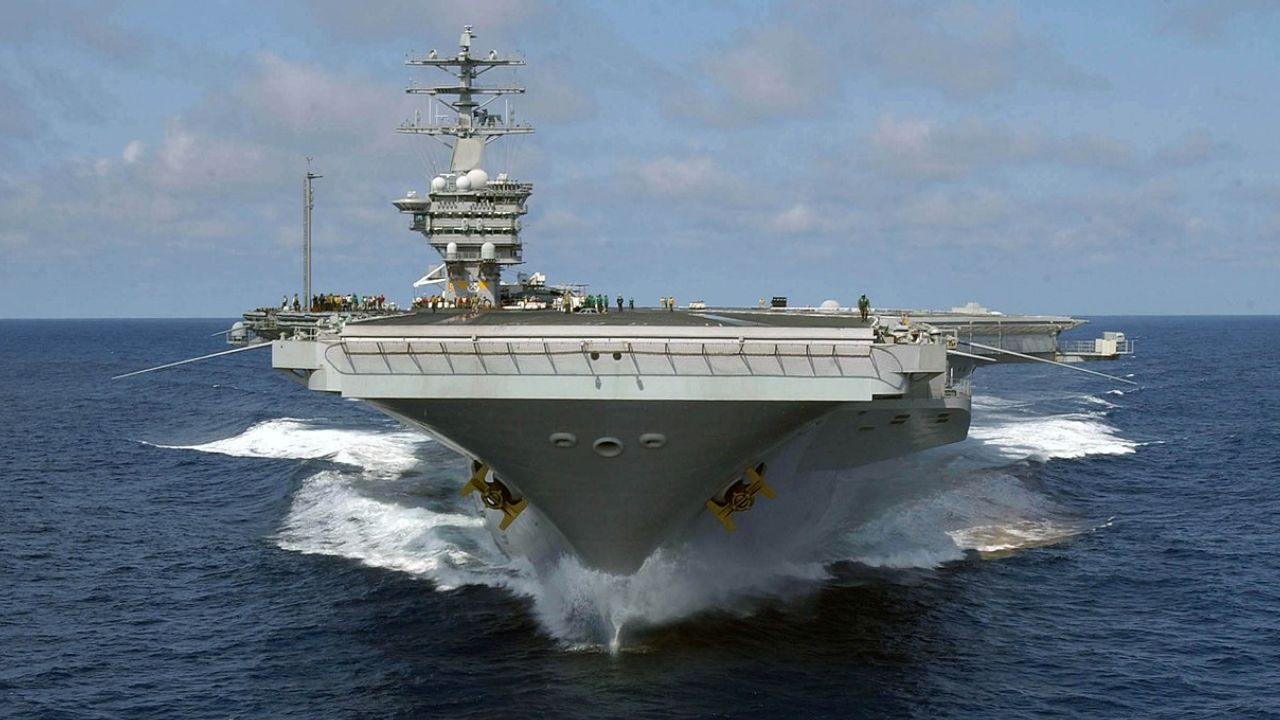
The U.S. Navy’s ambitious plan to construct 15 nuclear-powered battleships by 2055 has sparked significant debate and skepticism among defense analysts and lawmakers. As the Navy aims to modernize its fleet, questions arise regarding feasibility, cost, and strategic necessity.
Background of the Navy’s 2055 Plan
The Navy’s 2055 plan is a strategic initiative designed to reshape the future of naval warfare. By introducing 15 new nuclear-powered Trump-class battleships, the Navy seeks to bolster its fleet capabilities amid a rapidly changing geopolitical landscape. This plan is underpinned by a vision of maintaining maritime superiority in an era where threats are increasingly multifaceted and technologically advanced. The objectives of this strategy include enhanced deterrence, the ability to project power globally, and a commitment to technological innovation in naval operations.
Historically, battleships have played a pivotal role in naval warfare, with their origins dating back to the early 20th century. The iconic battleship USS Missouri, for instance, was pivotal during World War II and continued to serve through the Gulf War, showcasing the battleship’s versatility and firepower. However, with the rise of missile technology and air power, the relevance of traditional battleships has been questioned. The Navy’s current initiative aims to reinvigorate the battleship concept by integrating modern technology and nuclear capabilities.
Technological advancements are at the forefront of the Navy’s design for the new battleships. Innovations in stealth technology, automation, and advanced weapon systems are being considered to ensure the Trump-class battleships maintain a competitive edge. The integration of nuclear power will not only provide a significant boost to operational range and endurance but also symbolize a commitment to cutting-edge naval engineering.
Details of the Proposed Battleships
The proposed Trump-class battleships are expected to be equipped with cutting-edge specifications and capabilities. Each vessel is projected to be armed with advanced missile systems capable of engaging targets on land and at sea, as well as state-of-the-art radar and electronic warfare systems. The design aims to enhance survivability through improved hull designs and integrated defense systems, making them formidable assets in any naval engagement.
Nuclear power offers several advantages over traditional propulsion systems, particularly in terms of operational range and endurance. Nuclear-powered vessels can operate for extended periods without the need for refueling, allowing them to maintain a constant presence in critical areas of operation. This capability is particularly valuable in a world where rapid response to emerging threats is essential. Additionally, the reduced logistical requirements associated with nuclear propulsion can lead to lower operational costs over time.
When comparing the Trump-class battleships to existing U.S. Navy vessels, the advancements in technology and firepower become evident. Current destroyers and cruisers, while effective, may not possess the same range or striking power anticipated with the new battleships. Furthermore, international counterparts, such as China’s Type 055 destroyer, are already showcasing the need for the U.S. Navy to innovate and modernize its fleet to remain competitive on the global stage.
Financial Implications
Estimating the costs associated with designing and building the new Trump-class battleships presents significant challenges. Early projections suggest that the overall investment could be in the tens of billions of dollars, a substantial commitment for the Navy. Specific figures are still being debated, but the financial burden of developing cutting-edge technology and maintaining existing vessels complicates budgeting efforts.
The allocation of funds from Congress will play a crucial role in determining the feasibility of the 2055 plan. Lawmakers have expressed concerns regarding the practicality of such an ambitious initiative amidst competing priorities within the defense budget. The potential for funding challenges may necessitate difficult decisions about which programs to prioritize, ultimately impacting the Navy’s modernization efforts.
Long-term economic implications of the 2055 plan on the Navy’s overall budget and priorities could be significant. If the estimated costs prove accurate, the Navy may have to reallocate resources from other programs, potentially leading to delays in other critical modernization initiatives. This could foster a ripple effect throughout the defense establishment, as funding shortages trickle down to affect various departments and capabilities.
Technological Challenges
Engineering hurdles in the construction of nuclear battleships cannot be understated. The complexities of integrating nuclear propulsion with advanced weapon systems and modern electronics pose significant challenges for designers and engineers. The Navy must navigate a landscape of evolving technologies and regulatory requirements, ensuring that the new vessels meet the highest standards of safety and operational effectiveness.
Moreover, the timeline for development raises concerns about potential delays. Historically, large-scale naval projects have often faced setbacks, as seen with the troubled development of the Zumwalt-class destroyers. The Navy must ensure that its ambitions do not outpace technological readiness, as rushing the development process could lead to compromised safety or performance.
Risks associated with nuclear technology in maritime warfare are also a critical consideration. The Navy must address public concerns regarding nuclear safety, waste management, and environmental impact. A transparent approach to these challenges will be essential in gaining public and legislative support for the 2055 plan.
Strategic Necessity
Analyzing current global maritime threats underscores the strategic necessity for new battleships. As nations like China and Russia continue to expand their naval capabilities, the U.S. Navy must adapt to ensure it can counter these developments. The growing prevalence of anti-access/area denial (A2/AD) strategies necessitates a platform capable of projecting power over vast distances while ensuring survivability against modern threats.
The role of battleships in modern naval strategy and warfare is evolving. While traditional battleship engagements may be less common, their capabilities can be effectively integrated into a multi-domain strategy encompassing air, land, and cyber operations. Military strategists argue that maintaining a formidable presence at sea serves as a deterrent against potential aggressors, reinforcing the importance of the Navy’s 2055 plan.
Opinions from military analysts regarding the relevance of battleships today vary. While some advocate for a shift toward smaller vessels and unmanned systems, others contend that the sheer firepower and versatility of nuclear battleships will remain essential for maintaining maritime dominance. This ongoing debate highlights the complexities of naval strategy in an increasingly competitive global environment.
Political and Legislative Reactions
Initial reactions from Congress and key defense committees to the Navy’s 2055 plan have been mixed. While some lawmakers support the initiative as a means of ensuring national security, others express concerns regarding the practicality and feasibility of building such a fleet within the proposed timeline. Questions surrounding funding, resource allocation, and the overall necessity of new battleships have emerged as focal points of debate.
Concerns raised by lawmakers regarding the practicality of the plan are compounded by the broader context of national defense spending. With ongoing debates surrounding the federal budget and fiscal responsibility, many legislators are cautious about committing significant resources to a program that may not yield immediate results. This skepticism reflects a broader trend in defense policy, where lawmakers increasingly scrutinize large-scale military initiatives.
The role of public opinion and advocacy groups in shaping defense policy cannot be overlooked. As discussions around the 2055 plan unfold, public sentiment toward military spending and nuclear technology will likely influence legislative decisions. Advocacy groups focused on nuclear safety and environmental sustainability may push for greater transparency and accountability in the Navy’s plans, advocating for a balanced approach to national security priorities.
Comparative Analysis with Other Naval Programs
Reviewing similar international naval programs provides valuable insights into the potential outcomes of the Navy’s 2055 plan. Nations such as China and Russia are investing heavily in modern naval capabilities, with projects like the Type 055 destroyer and the Admiral Gorshkov-class frigate illustrating their commitment to advancing maritime power. These programs serve as benchmarks for the U.S. Navy as it seeks to maintain its competitive edge.
Lessons learned from past U.S. Navy projects, such as the challenges faced by the Zumwalt-class destroyers, highlight the importance of careful planning and execution. The Navy must consider the failures and successes of previous initiatives to inform its approach to the 2055 plan, ensuring that it avoids pitfalls that could jeopardize its objectives. Additionally, collaboration with allied nations may offer opportunities for shared learning and development.
Ultimately, the 2055 plan’s alignment with allied nations’ naval strategies will be crucial. As global security dynamics shift, maintaining interoperability with allies through common platforms and technologies will enhance collective defense capabilities. The Navy’s ability to adapt to these changing circumstances will determine the long-term success of its ambitious proposal.
Potential Environmental Concerns
As the Navy moves forward with the 2055 plan, potential environmental impacts of nuclear-powered vessels must be carefully considered. The environmental implications of constructing and operating nuclear battleships, including concerns about radioactive waste and marine ecosystems, are significant. The Navy will need to develop comprehensive strategies to address these challenges and ensure compliance with environmental regulations.
Regulatory challenges associated with nuclear energy in maritime operations can complicate the planning process. The Navy must navigate a complex landscape of federal, state, and international regulations, ensuring that its plans align with existing frameworks governing nuclear safety and environmental protection. Engaging with relevant stakeholders, including environmental advocacy groups, will be essential to build trust and transparency throughout the process.
The Navy’s plans for addressing environmental sustainability will play a vital role in garnering public support for the 2055 initiative. Demonstrating a commitment to minimizing environmental impact and prioritizing safety will be critical in overcoming skepticism and fostering a broader dialogue about the future of naval power.
Future Outlook and Implications
Predictions for the future of naval warfare indicate that the role of battleships may continue to evolve. As technology advances, the integration of unmanned systems and artificial intelligence into naval operations is likely to reshape traditional paradigms. The Navy’s 2055 plan may serve as a catalyst for innovation, potentially influencing the trajectory of naval warfare and military strategy in the coming decades.
The implications of the 2055 plan for U.S. military posture worldwide are profound. By committing to a new class of nuclear battleships, the Navy signals its intention to maintain maritime dominance and deter potential adversaries. This strategic posture could influence global alliances and partnerships, as allies may look to the U.S. for leadership in maritime defense.
Finally, the potential for technological advancements to alter the feasibility of the 2055 plan is a crucial consideration. As the Navy continues to refine its vision for future battleships, ongoing research and development may yield breakthroughs that enhance the viability of nuclear propulsion and advanced weapon systems. The intersection of innovation and strategic necessity will ultimately shape the Navy’s path forward in an increasingly complex security environment.