
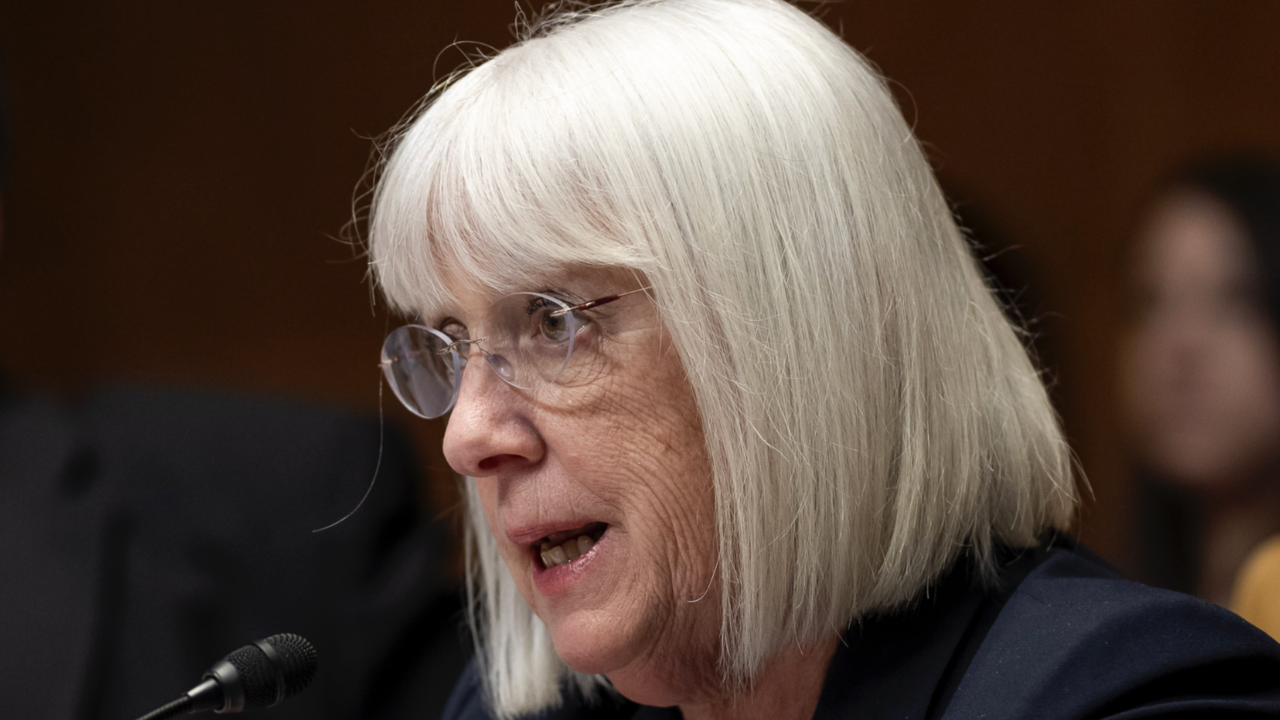
Sen. Patty Murray criticized a newly proposed federal rule rolling back Head Start regulations Friday, arguing the administration should fund the program more fully rather than lower its standards. “Invest in kids, not war,” Murray wrote on X. “Trump wants to shred Head Start health & safety standards. He says fewer standards mean we MIGHT be able to enroll more kids. Actually, we can maintain standards AND open more slots by simply funding Head Start instead of a war with Iran.”
What the Administration Actually Proposed
According to the official press release from the Department of Health and Human Services, the Administration for Children and Families unveiled a Notice of Proposed Rulemaking on August 6 titled “Reducing Federal Burden for Head Start Programs.” HHS Secretary Robert F. Kennedy Jr. framed the change as a return to the program’s founding vision, invoking his uncle, Head Start founder Sargent Shriver: “Head Start began as a bold commitment to the health, dignity, and potential of every child… Today, we are returning Head Start to those roots. We are removing unnecessary bureaucracy, strengthening nutrition and physical health, trusting parents and local communities, and opening Head Start to hundreds of thousands more children.”
The Scale of the Rewrite
The proposed rule is a substantial overhaul rather than a targeted adjustment. According to the official rule text published for inspection by the Federal Register, the Office of Head Start proposes to “rescind and replace” the Head Start Program Performance Standards last revised in 2024, condensing what had grown to roughly 133 pages of federal requirements down to a small fraction of that length. The stated goals, per the rule’s own text, are to “significantly reduce Federal bureaucratic burden on programs,” “defer to State policies wherever possible,” “return substantial local control to Head Start agencies,” and “emphasize the critical role of health, nutrition, and physical exercise for young children.” The rule is open for public comment through October 6, 2026.
What the Administration Says It Would Achieve
HHS’s own projections, laid out in its press release, estimate the changes would preserve or expand as many as 236,000 Head Start slots nationwide and save $2.2 billion — a figure the department described as “the largest known reinvestment in the program since its creation 61 years ago.” ACF Assistant Secretary Alex Adams tied the changes directly to enrollment trends under the prior administration, saying in the release: “The Biden Administration oversaw the largest decline in Head Start slots in American history… Today’s action reverses that decline. Head Start’s greatest strength is the people who make the program work, and we seek to empower them to work directly with parents to best meet the needs of their local communities.”
What Specifically Would Change
The HHS release details several concrete shifts. Administrative overhead costs would be capped, which the department says will lower provider expenses and expand capacity. Programs would face new requirements to serve “nutrient-dense, whole foods compatible with the Dietary Guidelines for Americans” and structure mealtimes to support learning, alongside new minimum physical activity requirements. Many existing federal mandates on staffing, group sizes, and specific safety protocols would instead defer to state licensing standards, which the department describes as “modernizing safety standards by replacing rigid federal mandates with state flexibility.” The department maintains that “nothing in this proposed rule alters or waives statutory obligations” under the Head Start Act itself.
Murray’s Direct Response
Murray held a press conference the same day the rule was announced, joined by Sen. Ben Ray Luján and Head Start advocates. According to the transcript posted to her official Senate website, Murray said: “This morning, the Department of Health and Human Services proposed shredding the rule book that has protected kids in Head Start for sixty years — 133 pages of standards, gutted.” She went through specific provisions she said were being eliminated: “It’s duration requirements — meaning, is the program actually open while parents are working? It’s professional development requirements to make sure that our teachers are equipped to keep our kids safe — that’s everything from instruction on our kids’ social-emotional development, and training to recognize and report child abuse.”
Murray’s Concern About Children With Disabilities
In a separate written statement, Murray raised a specific concern about the rule’s effect on enrollment practices for children with disabilities. “This proposed rule also gives programs across the country a green light to slam the door shut on any kid with a disability they decide is too difficult or too much work to take care of,” Murray said, according to a statement on her Senate website. In the same statement, she connected the rule to a broader pattern: “Whether it was his leaked memo to eliminate Head Start, his illegal impoundments, or his decimation of the Office of Head Start — President Trump has all but declared war on Head Start and affordable child care in America.”
Why the Health Screenings Detail Matters to Murray
Murray specifically emphasized Head Start’s role as a first point of contact for basic medical screening in low-income communities. “For millions of families, Head Start is the first place anyone will check their child’s hearing, vision, or teeth — ignoring the health and safety of these kids today will just cost us more tomorrow,” Murray said in her statement. That framing ties directly to the specific medical and developmental screening requirements the current 133-page standards include, which the proposed rule would significantly reduce or shift to state discretion.
A History of Praising Similar Standards Under a Different Administration
Murray’s current opposition stands in contrast with her own past praise for a comprehensive revision of the same standards. In a statement on her official Senate HELP Committee page from an earlier Head Start standards overhaul, Murray said: “For over 50 years, the Head Start program has delivered high-quality health, education, and family services to children in Washington state and across the country… I am glad that the Department of Health and Human Services has listened to stakeholders and developed a final rule that promotes family engagement, increases access to programming for homeless and foster children, and balances high standards with the flexibility necessary to meet the needs of local communities.” That praise for a prior HHS-led rulemaking process illustrates that Murray’s objection to the current proposal centers on its specific content rather than opposition to Head Start regulatory changes as a category.
Independent Analysis of the Rule’s Effects
Outside experts have offered assessments consistent with Murray’s concerns about the scope of the changes. Katie Hamm, who served as deputy assistant secretary for early childhood development at ACF under the Biden administration, said the result would be “a really watered-down Head Start program that removes a lot of the health and safety requirements, quality standards, and comprehensive services.”
Whether This Follows an Earlier, More Direct Attempt to End the Program
The current rulemaking arrives after previous administration efforts regarding Head Start funding drew significant public and congressional pushback. According to reporting on the timeline, the administration had previously withheld funding from Head Start programs, leading some to briefly close, and had separately proposed eliminating the program outright before backing away following opposition from parents, providers, and members of Congress from both parties — context that shapes how Murray and other Democrats have characterized the current, more incremental deregulatory approach as an alternate route toward a similar underlying goal.
Where This Leaves Things
As of Murray’s Friday post, the rule remained in its public comment period, open through October 6, meaning no final version has been adopted. The dispute between the administration’s framing — that reduced federal mandates will expand access without compromising core protections — and Murray’s characterization — that the same changes would eliminate meaningful health, safety, and educational standards — remains unresolved and will likely be shaped by the volume and substance of public comments the rule receives before HHS finalizes it.