
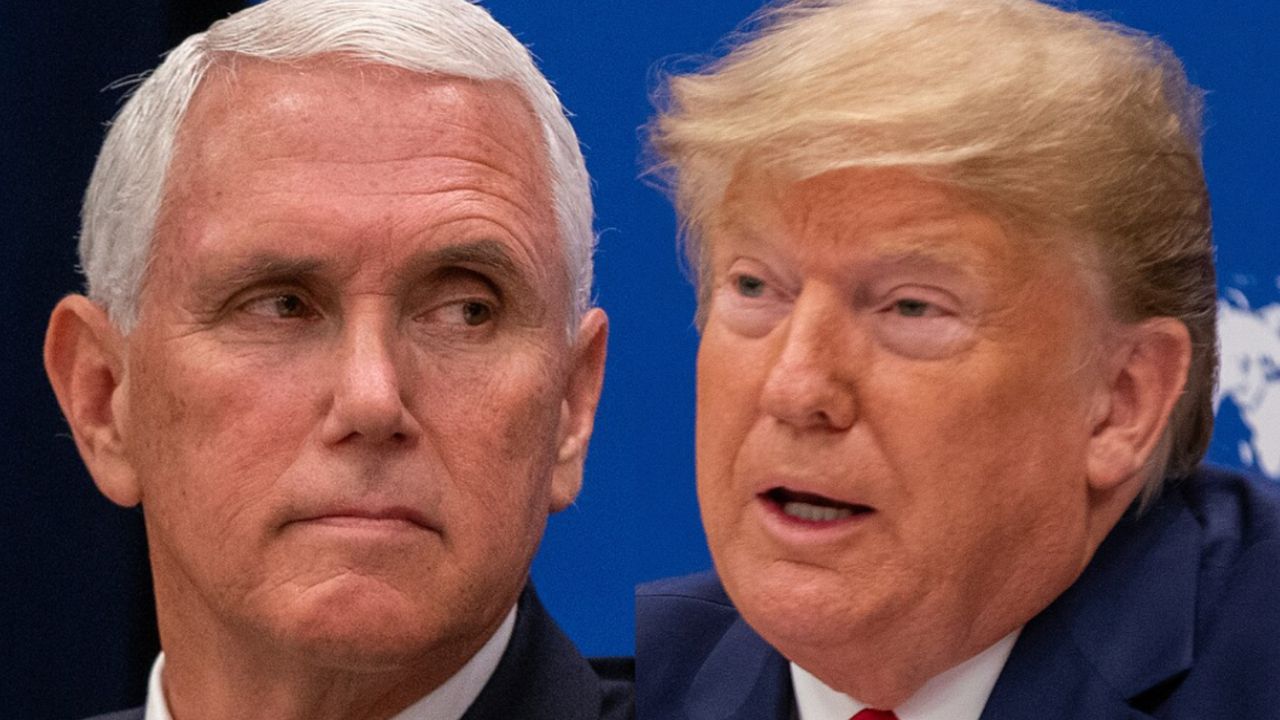
Pence Calls on Trump to Reverse Course on Russian Diesel
Former Vice President Mike Pence on Friday called on President Donald Trump to rescind a diesel deal with Russia, declaring that “Putin doesn’t want peace. Putin wants Ukraine.” Pence urged the president to use the Lindsey Graham Sanctioning Russia Act to impose harsh sanctions on nations purchasing Russian energy and to work with allies so Ukraine can repel and defeat Russia’s invasion “once and for all.”
Pence, who served as vice president under Trump from 2017 to 2021, published the message on X at 12:16 p.m. on Oct. 16, 2026. His full post read:
“Putin doesn’t want peace. Putin wants Ukraine. Enough is enough.
President Trump should rescind the diesel deal with Russia and use the Lindsey Graham Sanctioning Russia Act to impose harsh sanctions on nations purchasing Russian energy, work with our allies to ensure Ukraine has the military support it needs to repel and defeat this Russian invasion once and for all. Slava Ukraini🇺🇸🇺🇦“
The post makes three demands: that the diesel arrangement be rescinded, that sanctions be imposed on countries buying Russian energy, and that the United States and its allies supply Ukraine with the military support needed to defeat the invasion. It closes with “Slava Ukraini,” Ukrainian for “Glory to Ukraine.”
The Diesel License and the Graham Sanctions Law
The deal Pence wants rescinded was announced Oct. 9 after a phone call between Trump and Russian President Vladimir Putin. The same day, the Treasury Department’s Office of Foreign Assets Control issued General License No. 135, signed by Director Bradley T. Smith. It authorizes transactions related to the sale, delivery, offloading and importation of Russian-origin diesel fuel, “including importation into the United States,” through 12:01 a.m. eastern daylight time on April 7, 2027. The license does not authorize debits to accounts of the Central Bank of the Russian Federation, the National Wealth Fund or the Ministry of Finance. Treasury said it acted “at President Trump’s direction,” and Trump argued the added supply could help ease high fuel prices.
The license has drawn objections beyond Pence. Rep. Lloyd Doggett (D-Texas) said the arrangement violates the 2022 Ending Importation of Russian Oil Act, which passed the House 413–9 and the Senate unanimously and was signed April 8, 2022. Doggett said the law bans imports of Russian energy products, including diesel, and lets a president lift the ban only by certifying conditions to Congress. A bipartisan group of House members sent a letter Thursday urging the administration to revoke the license, and seven senators from both parties, including Republicans Susan Collins, Lisa Murkowski, Thom Tillis and John Curtis, urged Trump to reverse the decision.
The sanctions law Pence cites is formally the Lindsey O. Graham Sanctioning Russia and Iran Act of 2026, named for the South Carolina Republican who died July 11, 2026, and who introduced the original bill in April 2025. The Senate passed it 86–11 on Aug. 7 and the House passed it 262–159 in September. Trump signed it that month. It targets Russia’s energy and defense sectors, its “shadow fleet” of sanctions-evading tankers, and Russian political and military leaders, and it authorizes tariffs of up to 100% on the five largest buyers of Russian energy.
A Week of Posts and a Widening Rift Over Ukraine
Friday’s post was not Pence’s first on the subject this week. On Oct. 10, a day after the deal was announced, he wrote that Trump’s decision to lift sanctions on Russian fuel “makes no sense” and was “a betrayal of the legacy and leadership of the late Senator Lindsey Graham.” He added that “Putin is losing this war” and warned that if Putin overran Ukraine, Russia’s military would eventually cross a border that U.S. troops would have to confront. On Oct. 13, he posted again, urging Trump to rescind the deal and return to the policies of the first administration.
The posts came as tensions grew between Trump and Ukrainian President Volodymyr Zelensky. Zelensky responded angrily to the diesel announcement, saying it would embolden Moscow’s attacks, according to Reuters. Trump told reporters Oct. 10 that “it’s time for Ukraine to get a new president.” The next day he announced an “ENERGY CEASEFIRE” between Russia and Ukraine “effective immediately,” which Zelensky called news to him. Zelensky said Russia struck Ukrainian energy sites after the announcement, and that Ukraine would accept a ceasefire if Russia did.
A Long Record on the War
Pence’s opposition to Russia’s invasion dates to its first day. On Feb. 24, 2022, he posted on X that the United States should keep arming Ukraine and sanction every Russian financial institution until Russian forces withdraw. In early March 2022, he said there was no room in the Republican Party for “apologists for Putin.” On March 10, 2022, he visited the Ukraine-Poland border with the charity Samaritan’s Purse to meet refugees. His group, Advancing American Freedom, also launched a $10 million ad campaign that month urging House Democrats to back American energy production over reliance on Russian oil.
In 2023, Pence marked the invasion’s first anniversary by calling for more sanctions and military aid, and said that while the war was not America’s, faltering would risk American sons and daughters being called to defend freedom. On June 29, 2023, he met Zelensky in Kyiv, becoming the first Republican presidential candidate in the 2024 race to visit Ukraine, and said “freedom is winning in Ukraine.” He also said “we should never send American troops into Ukraine, and we don’t need to.” Earlier that month, on the day he launched his campaign, he said of Trump’s past praise for Putin: “I know the difference between a genius and a war criminal.”
After Trump returned to office, Pence pressed him on the war in public. On Feb. 19, 2025, he wrote on X: “Mr. President, Ukraine did not ‘start’ this war,” adding that Russia had launched an “unprovoked and brutal invasion” and that the road to peace “must be built on the truth.” A week earlier he had warned that if Ukraine fell, Russia would eventually invade a NATO ally that U.S. troops would be required to defend. In a May 2025 interview, he said “Vladimir Putin doesn’t want peace; he wants Ukraine,” and that the administration’s inconsistent support had encouraged Russia.
Pence has also credited Trump when he moved toward his position. When Trump resumed military aid to Ukraine in 2025, Pence said “the time has come” to renew support and urged the president to make clear he wanted the Russia sanctions bill on his desk. After the Aug. 15, 2025 Alaska summit between Trump and Putin, he said Trump deserved credit for “not giving up on Ukraine” and that “no deal is better than a bad deal.” He added that Putin “is not going to stop until he’s stopped” and urged additional secondary sanctions.
This year, Pence made his third wartime trip to Ukraine, addressing the National Prayer Breakfast in Kyiv on Aug. 23. Afterward he said “Ukraine is winning this war,” pointing to a stalemate on the front lines and to Ukrainian drone strikes inside Russia. In an opinion essay after the trip, he wrote that “by every measure that truly matters, Ukraine is winning this war,” that Putin “will either be stopped in Ukraine or further west,” and he endorsed the Graham sanctions legislation.
Support for the Iran War, Opposition on Russia
Pence’s criticism of Trump’s Russia policy sits alongside support for the president’s Iran campaign. After strikes began Feb. 28, 2026, under Operation Epic Fury, Pence said he was “proud of President Trump for making the decision to launch operation Epic Fury.” He later described the conflict as “finishing a war that’s nearly 50 years in the making.” No statements from Pence backing war powers resolutions on Iran turned up in reviewing his record.
The Treasury license Pence wants rescinded remains in effect through April 7, 2027, and the administration has defended the decision. Pence’s post lands in the middle of a dispute over whether Trump’s diesel arrangement conflicts with sanctions the same president signed into law last month.