
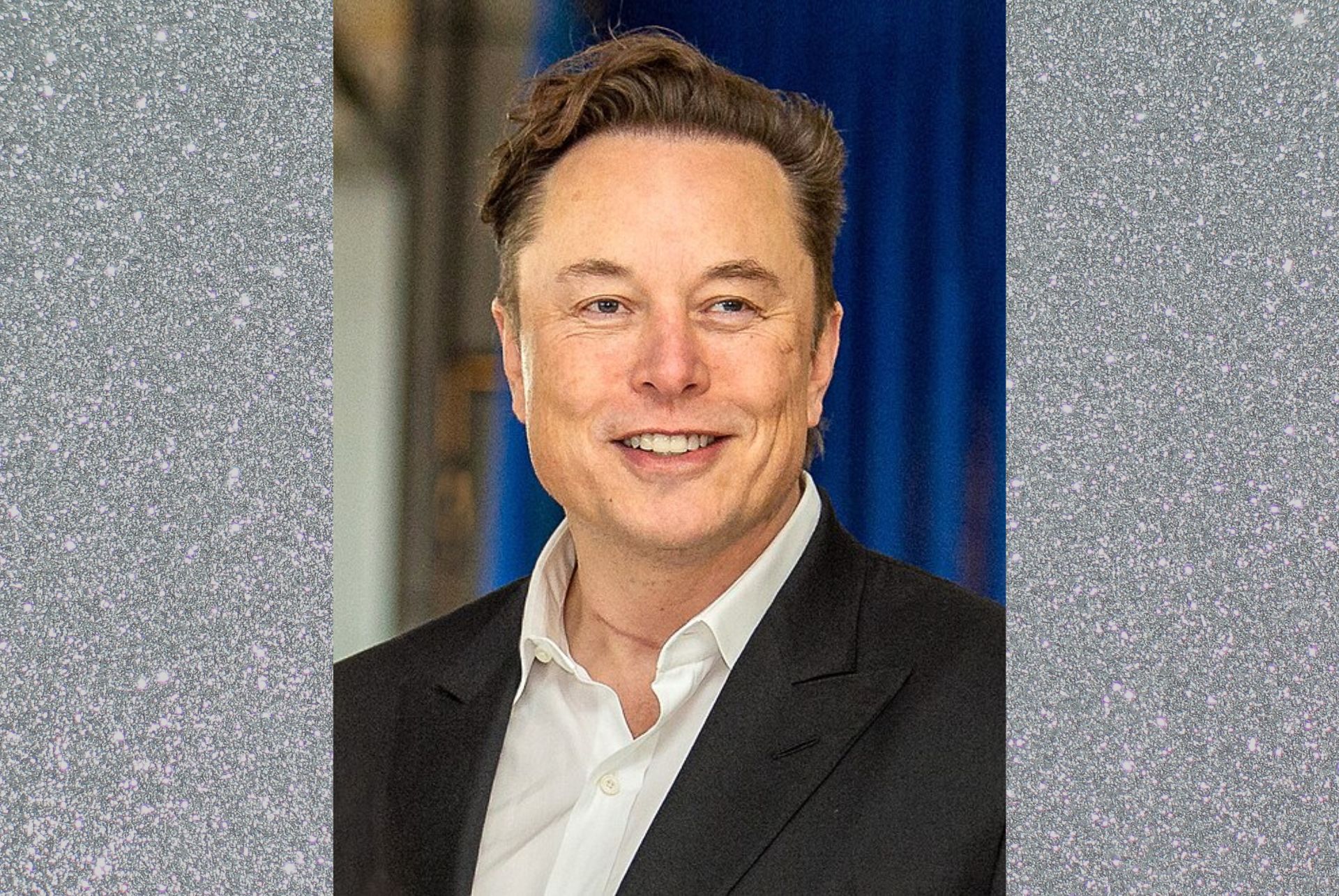
The Mexican government is considering taking legal action against Elon Musk following his controversial comments suggesting a connection between President Andrés Manuel López Obrador and drug cartels. This bold claim has sparked a diplomatic uproar, prompting a closer examination of the implications for international relations and free speech dynamics.
Background on Musk’s Comments
Elon Musk, the prominent entrepreneur and CEO of Tesla and SpaceX, made headlines with his comments insinuating a link between Mexican President Andrés Manuel López Obrador and the country’s notorious drug cartels. These remarks were made during a live-streamed discussion on a popular podcast, where Musk was asked about the challenges of operating businesses in Mexico. Musk’s statements quickly went viral, drawing widespread attention and criticism from both local and international media outlets.
The public reaction was immediate and polarized. In Mexico, many citizens expressed outrage, perceiving Musk’s comments as an affront to their nation’s leader and sovereignty. Internationally, opinions were divided, with some defending Musk’s right to free speech while others criticized him for making unfounded allegations. Musk is no stranger to controversy, having previously faced backlash for his tweets about COVID-19, his involvement in cryptocurrency markets, and his disputes with regulatory bodies.
Mexico’s Legal Considerations
The Mexican government is now exploring its legal options in response to Musk’s allegations. Under Mexican law, defamation is considered a criminal offense, particularly when it involves public figures. Article 1916 of the Mexican Civil Code outlines the possibility of seeking damages for moral harm caused by defamatory statements. However, the challenge lies in navigating international legal frameworks, as Musk’s remarks were made outside Mexican jurisdiction.
Mexico could potentially pursue legal action through international courts, such as the International Court of Justice, although such cases are rare and complex. Additionally, historical precedents in Mexico show limited instances of successfully prosecuting foreign nationals for defamation. The legal process could be further complicated by Musk’s significant global influence and the potential diplomatic ramifications of such a move.
Diplomatic Relations Between Mexico and the United States
The incident comes at a sensitive time for diplomatic relations between Mexico and the United States. Historically, the two nations have maintained a complex and interdependent relationship, with trade agreements like the USMCA and cooperation on issues like immigration and security. Musk’s comments have the potential to strain this relationship, especially if legal proceedings are initiated.
Diplomatic immunity and international law may play a crucial role in the unfolding legal scenario. While Musk is not a government official, his status as a prominent U.S. business leader could influence diplomatic discussions. Officials from both countries have been cautious in their statements, emphasizing the importance of maintaining strong bilateral ties while respecting legal processes. The outcome of this situation could set a precedent for how similar cases are handled in the future.
Public Opinion and Media Influence
Social media platforms have amplified Musk’s comments, rapidly spreading them across the globe and shaping public perception. In Mexico, hashtags related to the controversy trended on Twitter, with many users expressing their discontent and defending their president. Mexican media outlets have extensively covered the story, often highlighting national pride and the perceived disrespect from a foreign figure.
The incident underscores the power of celebrity influence in shaping public discourse. Musk, with his massive following on platforms like X, formerly known as Twitter, wields significant influence over public opinion. This raises questions about the responsibilities of public figures in their communications, as their statements can have far-reaching consequences. The situation also highlights the challenge of balancing free speech with accountability in the digital age.
Broader Implications for Free Speech and Accountability
The controversy surrounding Musk’s comments presents a complex dilemma between free speech and accountability. While freedom of expression is a fundamental right, it comes with the responsibility to avoid making harmful or unfounded allegations, especially against public figures. This incident serves as a reminder of the potential impact of words, particularly when spoken by individuals with substantial influence.
Looking ahead, the outcome of this situation could influence future discourse involving high-profile individuals and politicians. It highlights the need for clearer guidelines on the limits of free speech, particularly in the context of international relations and digital communication. As the global narrative on free speech continues to evolve, this case may prompt further discussions on how to navigate the challenges posed by the digital age.