
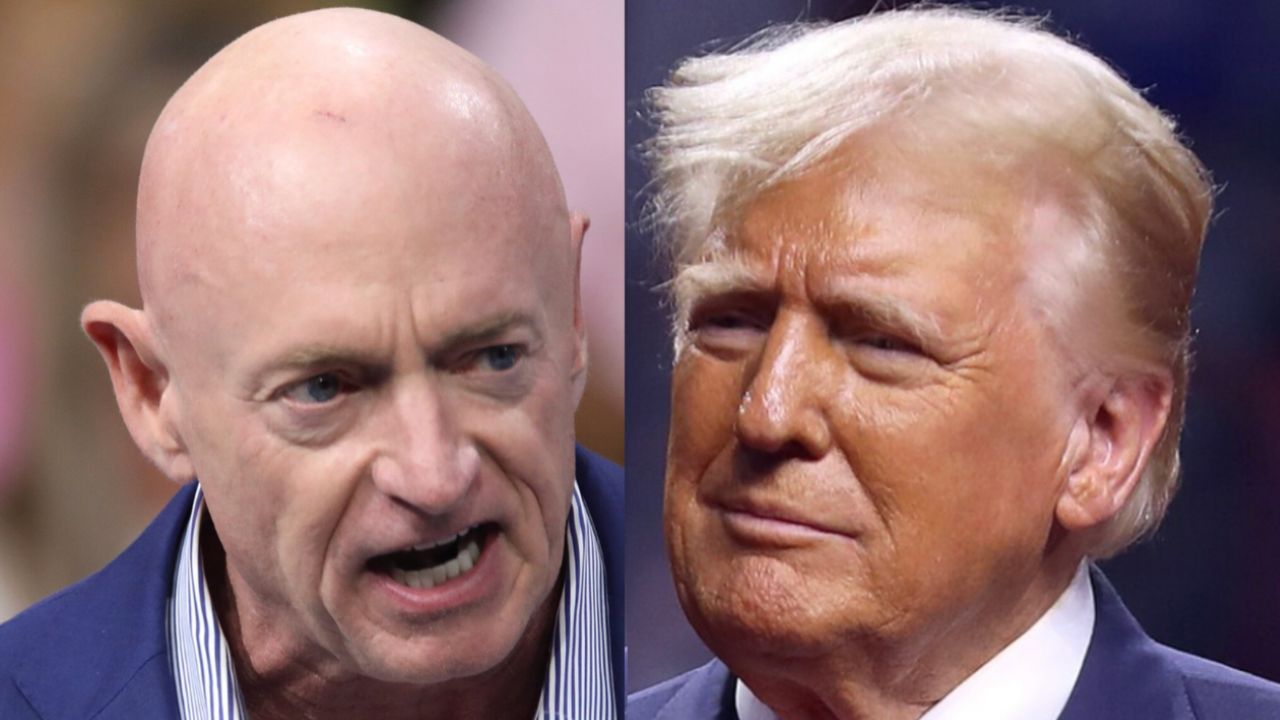
Sen. Mark Kelly, a Democrat from Arizona and a Navy combat veteran, accused President Donald Trump on Tuesday of inventing a Russia-Ukraine “energy ceasefire” that neither country had agreed to, saying the move is meant to halt Ukrainian strikes on Russian oil refineries and amounts to a gift to Russian President Vladimir Putin. In a lengthy post on X, Kelly also tied the global diesel shortage to Trump’s decision to go to war with Iran, calling it “perhaps one of the biggest geopolitical blunders in modern history.”
What Kelly Wrote
Kelly published the post at 12:09 p.m. on Oct. 13, 2026. It reads in full:
“This weekend, Trump announced Ukraine and Russia agreed to an “energy ceasefire,” which has turned out to be completely false. Neither side agreed to anything, and Russia attacked Ukraine’s energy infrastructure again.
He’s making up fake ceasefires because he wants Ukraine to stop striking Russian oil refineries. Those strikes have been having a real impact in the war, and stopping them is a gift to Putin. It’s important to understand that any shortage of diesel fuel is because of Trump’s decision to go to war with Iran without understanding that they would shut down the Strait of Hormuz, which is perhaps one of the biggest geopolitical blunders in modern history. Instead of admitting that and trying to solve the problem he created, Trump is trying to put the blame on a country that’s literally fighting for its survival against Russia.
Siding with Putin and Russia seems to be a mainstay of this presidency. Even his supporters are piling on with Elon Musk tweeting that Zelenskyy has gone “too far.” Whose side are they on?
Regardless, the Ukrainians are making progress, and if things continue to go well, it’s a real possibility that Putin could be pressured to accept a deal that maintains Ukrainian sovereignty. Anyone who supports the Russians in this conflict will find themselves on the wrong side of history and the wrong side of America’s interests. Trump, Elon, etc. should try to avoid being this century’s Neville Chamberlain.”
Diesel Prices and the Push to Halt Refinery Strikes
The dispute traces back to a record spike in fuel costs. On Sept. 14, with U.S. diesel averaging more than $6 a gallon after setting a record, Trump told reporters that Ukrainian President Volodymyr Zelenskyy had to stop knocking out diesel fuel in Russia, saying the strikes were causing a global shortage. A White House official later said Zelenskyy had ignored roughly half a dozen U.S. requests to stop hitting Russian refineries.
A Diesel Deal With Moscow
On Friday, Oct. 9, Trump announced an agreement with Putin under which Russia would supply more than 300,000 tons of diesel immediately, followed by 500,000 tons in November and 1 million tons after that. The announcement came about a month after Trump signed a sweeping Russia sanctions law aimed at the oil and gas revenues that fund the war, and as U.S. envoy Steve Witkoff and Jared Kushner were meeting Ukrainian officials in Miami. Kirill Dmitriev, a Russian presidential envoy, praised the arrangement on X, writing that “Russia-US cooperation on diesel and energy will benefit the world.”
Treasury Lifts Restrictions Through April 2027
The same day, the Treasury Department’s Office of Foreign Assets Control issued General License No. 135, signed by Director Bradley T. Smith. The license authorizes transactions otherwise barred by Russia sanctions regulations that relate to the sale, delivery, offloading or importation, including importation into the United States, of Russian-origin diesel. It runs through 12:01 a.m. eastern daylight time on April 7, 2027. It does not authorize debits to U.S. accounts of Russia’s Central Bank, National Wealth Fund or Ministry of Finance. Sen. Richard Blumenthal, a co-sponsor of the sanctions law Trump signed in September, said the decision “makes us complicit in Putin’s war against Ukraine.”
Trump Calls for a New Ukrainian Leader
On Saturday, Oct. 10, Trump turned on Zelenskyy directly. He said he had told the Ukrainian leader to “do what you want” against Russia but not to hit refineries, adding, “He better damn well stop.” Trump then said, “I think it’s time for Ukraine to get a new president,” claiming Zelenskyy could have settled the war many times. Musk shared a video of those remarks on X and wrote that Zelenskyy “has gone too far,” the comment Kelly refers to in his post.
The “Energy Ceasefire”
On Sunday, Oct. 11, Trump posted on Truth Social: “Effective immediately, there is an ENERGY CEASEFIRE in the War between Russia and Ukraine.” He added, “Both parties have agreed.” Zelenskyy said Ukraine “didn’t know about it” and was waiting for details, though he said Ukraine supports a ceasefire and would stop hitting Russian refineries if Moscow stopped attacking Ukrainian power infrastructure. Kremlin spokesman Dmitry Peskov said only that “contacts are ongoing.” Trump had made a similar announcement in September, and attacks continued afterward as well.
Strikes Continue as Definitions Diverge
By Tuesday, Zelenskyy said Ukraine had not struck Russian refineries or the wider energy sector for two days, while Russia hit a combined heat and power plant in Kharkiv and a power plant in Kyiv. A White House official has said the administration understands an “energy ceasefire” to mean the two sides stop attacking each other’s oil refineries only. Zelenskyy has said Ukraine has just one refinery, so the key issue for Kyiv is an end to Russian strikes on its power plants and grid.
The Iran War and the Strait of Hormuz
Kelly’s post ties the fuel shortage to the Iran war, which began Feb. 28, and to the closure of the Strait of Hormuz, through which about 20 percent of the world’s oil passes. Iran has declared the strait closed, citing a U.S. blockade of its ports, while Trump has said it remains open. Zelenskyy has also said the energy crisis originated mainly in the Middle East rather than from Ukrainian strikes. Reports have noted that both the Iran conflict and the refinery attacks have contributed to higher diesel prices.
Kelly’s Record on the Iran War
Kelly has opposed the Iran war since it began. On March 11, he said the administration had no articulated strategic goal and that he could not see how it helped Americans afford rent, groceries, health care or gas. In March he introduced the Gas Prices Relief Act of 2026 with Blumenthal, which would suspend the 18.4-cent federal gas tax through Oct. 1. Kelly said “gas prices are skyrocketing because Donald Trump started a war with Iran.”
Efforts to End the War
In April, Kelly joined 10 other Senate Democrats in filing a new war powers resolution after three earlier attempts failed, saying the president was “just flailing.” The group argued the war had cost the lives of 13 U.S. service members and thousands of civilians. Kelly also joined 37 Senate Democrats in a letter challenging the administration’s claim that hostilities in Iran had “terminated,” asking Trump to release the Office of Legal Counsel opinion behind that claim. Before the current war began, he voted for an earlier Kaine war powers resolution on Iran.
Kelly’s Record on Russia and Ukraine
Kelly’s stance on Putin predates the current dispute. In 2022, after Russia’s further invasion of Ukraine, he called it “unprovoked and unjust” and urged maximum sanctions on Putin and the Russian government. As chair of the Armed Services Subcommittee on Emerging Threats and Capabilities, he supported security assistance to Ukraine, cosponsored the Defending Ukraine Sovereignty Act, and voted for Nord Stream 2 sanctions. He also backed a Senate resolution, passed unanimously, calling for a war crimes investigation of Putin and his backers.
What Comes Next
The dispute lands weeks before the Nov. 3 midterm elections, with diesel prices still elevated and the Treasury license in force through April. Kelly’s post argues that Ukraine is making progress and that Putin could be pressured into a deal preserving Ukrainian sovereignty. The White House has not publicly responded to his post. Whether Russia will honor any energy ceasefire, and on what terms, remains unconfirmed by Moscow.