
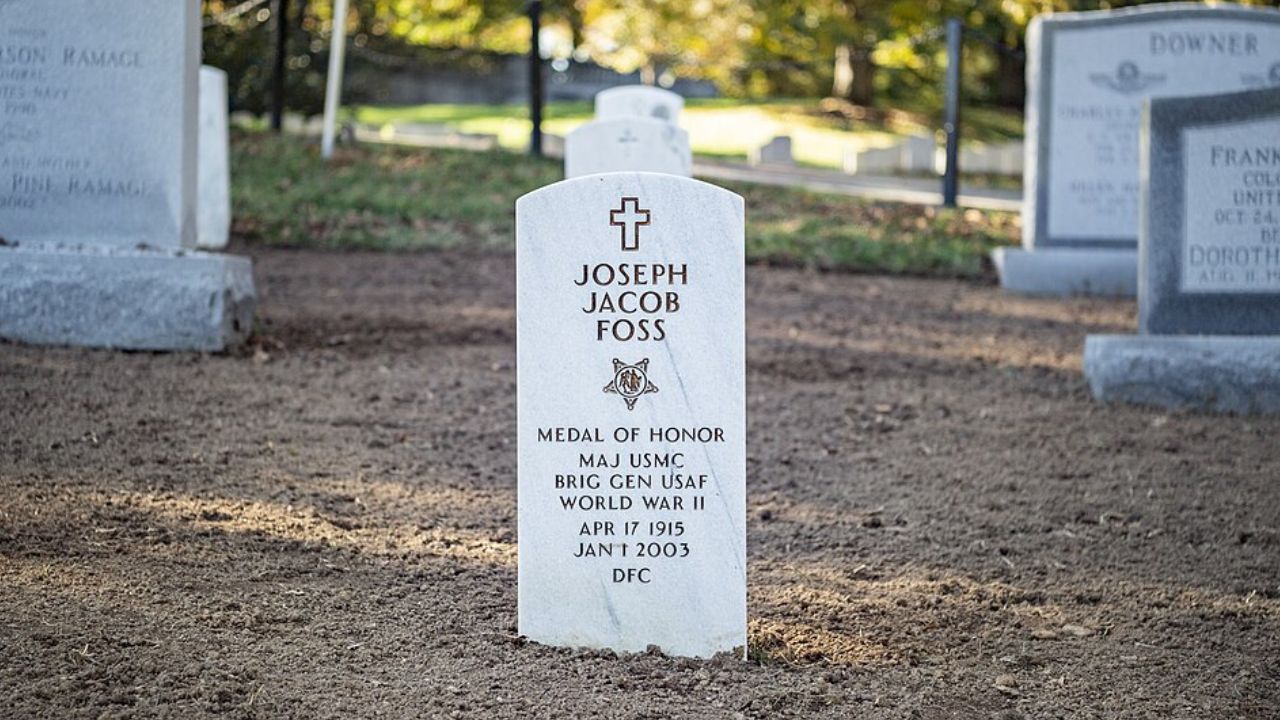
Joe Foss was a remarkable figure in American history, renowned for his extraordinary achievements as a fighter ace during World War II. Despite his impressive record and contributions, his story often falls into the shadows of more widely publicized figures. This article delves into the life and legacy of Joe Foss, examining why his story deserves greater recognition.
Early Life and Military Beginnings
Born in a small town in South Dakota, Joe Foss grew up on a farm where he learned the values of hard work and perseverance. The rural landscape of his childhood provided a backdrop that fueled his imagination and ambition. Despite financial hardships, he was inspired by the pioneering spirit of his surroundings, which laid the foundation for his future endeavors. His father’s storytelling, often centered around daring tales of bravery, instilled in him a deep-rooted sense of duty and adventure.
Foss’s fascination with aviation began at a young age when he saw the legendary Charles Lindbergh fly over Sioux Falls. This event sparked an unyielding interest in flight. He pursued his passion with determination, often visiting local airfields to watch planes take off and land. This fascination grew into an ambition to become a pilot, leading him to enroll at the University of South Dakota, where he joined the Civilian Pilot Training Program. His journey from a humble farm boy to a Marine Corps aviator was marked by resilience, as he navigated the challenges of both academic and flight training with a singular focus on achieving his dream.
World War II Heroics
The Battle of Guadalcanal was a defining moment in Joe Foss’s career as a fighter pilot. His strategic acumen and fearless flying made him stand out during this critical campaign. On numerous missions, he demonstrated an uncanny ability to outmaneuver enemy aircraft, often using the F4F Wildcat’s rugged capabilities to his advantage. His tactical prowess and precision flying helped secure vital airspace for the Allies, earning him a reputation as one of the top aces of the war.
Foss’s record-breaking 26 aerial victories during World War II placed him among the elite ranks of American fighter aces. His achievements were not only a testament to his skill and courage but also served as a significant morale booster for the troops. Recognitions soon followed, including the prestigious Medal of Honor, awarded for his “extraordinary heroism and conspicuous intrepidity.” Foss’s leadership was evident in the way he inspired and led his squadron, earning the respect and admiration of his peers. His valor on the battlefield became legendary, a symbol of American resilience and determination during the war.
Post-War Career and Achievements
After the war, Joe Foss transitioned seamlessly from military life to the civilian world, embarking on a series of political and business ventures. He served as the Governor of South Dakota, where he implemented policies that reflected his commitment to public service and community development. His tenure was marked by efforts to improve infrastructure and education in the state, showcasing his leadership skills beyond the battlefield. Foss also ventured into the private sector, where he applied his strategic thinking to various business enterprises, further solidifying his post-war legacy.
Beyond politics and business, Foss left an indelible mark on the world of sports and aviation. As the Commissioner of the American Football League (AFL), he played a pivotal role in shaping the league’s identity and popularity. Under his guidance, the AFL thrived, eventually leading to its merger with the National Football League (NFL). His contributions to aviation continued as he remained an advocate for veterans and a proponent of air safety and innovation. Foss’s passion for flying never waned, and he remained actively involved in promoting aviation causes throughout his life.
Reasons for Overshadowing
Despite his remarkable achievements, Joe Foss’s story is often overshadowed by contemporaries such as Charles Lindbergh and other well-known war heroes. Lindbergh’s transatlantic flight and high-profile life captured the public’s imagination, drawing attention away from other deserving figures like Foss. The media’s focus on certain personalities and events contributed to this overshadowing, as narratives around larger-than-life figures dominated headlines and historical accounts.
Additionally, the changing public interests over the decades have played a role in the waning recognition of Foss’s contributions. As societal focus shifted towards new challenges and heroes, the stories of World War II veterans like Foss receded into the background. This shift in priorities, coupled with the passage of time, led to a gradual fading of his story from the collective memory of the nation. Despite these factors, his legacy remains intact, though often less celebrated than those of his more famous peers.
Legacy and Recognition Efforts
Despite the overshadowing, there are numerous memorials and honors dedicated to Joe Foss’s life and career. Museums and dedications across the country celebrate his contributions, such as the South Dakota Air and Space Museum, which houses exhibits related to his aviation achievements. These tributes serve as a testament to his enduring impact and provide a platform for educating future generations about his legacy.
Efforts to revive Joe Foss’s story are ongoing, with historians and aviation enthusiasts working tirelessly to bring his achievements back into the spotlight. Documentaries, books, and articles continue to highlight his heroics, ensuring that his legacy is not forgotten. These initiatives aim to inspire current and future generations by showcasing the values and lessons embodied by Foss’s life. Remembering Joe Foss is important not only for preserving history but also for celebrating the spirit of courage and determination that he exemplified.