
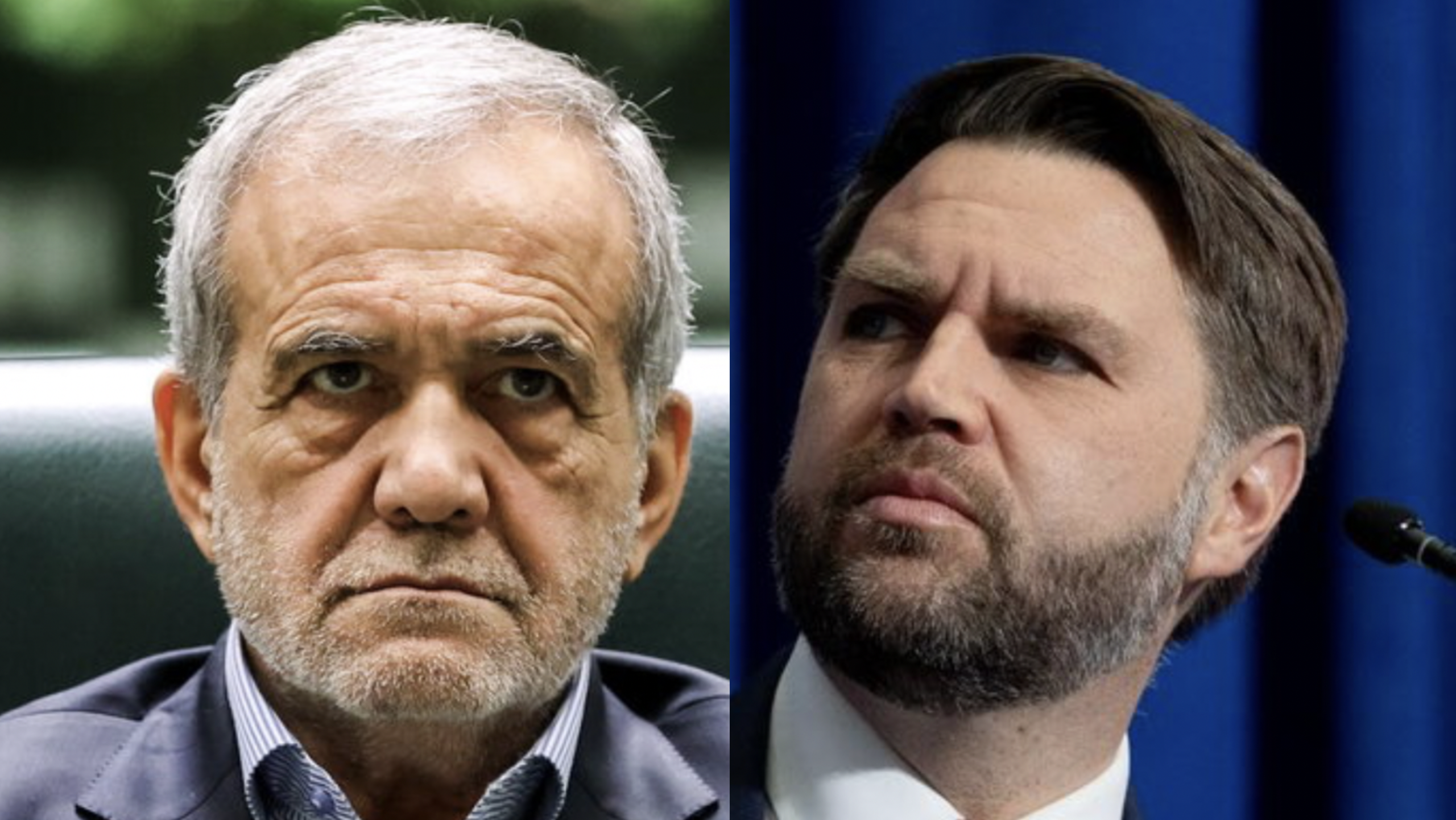
An Iranian delegation arrived in Islamabad on Friday for negotiations with the United States following a recently announced two-week ceasefire that paused six weeks of intense conflict. The diplomatic effort comes amid lingering uncertainty, as Iranian officials have cast doubt on the talks even as they begin. The ceasefire has halted airstrikes between the United States, Israel, and Iran, but has not resolved broader regional tensions, including continued fighting in Lebanon and the ongoing disruption of global energy flows tied to the Strait of Hormuz.
📸 The Iranian delegation in Pakistan. pic.twitter.com/LIgnY8SLwA
— Clash Report (@clashreport) April 10, 2026
Iranian parliamentary Speaker Mohammad Baqer Qalibaf, who is leading the delegation alongside senior political and economic officials, made clear that negotiations would not proceed without preconditions. In a public statement, he demanded the release of unspecified Iranian assets held abroad, stating that such measures must be addressed before meaningful discussions could begin. His stance reflects a broader position from Tehran that the ceasefire alone does not constitute sufficient progress toward resolving the conflict.
The United States delegation, led by Vice President JD Vance, arrived in Pakistan with cautious optimism. Vance indicated that while a positive outcome is possible, the United States would remain firm in its negotiating position. “I think it’s going to be positive,” he said, while warning, “If they’re going to try to play us, then they’re going to find the negotiating team is not that receptive.” The U.S. position centers on ensuring Iran does not develop nuclear weapons capabilities and on securing the full reopening of the Strait of Hormuz, a critical global shipping route that Iran has partially restricted since the conflict began.
President Donald Trump also weighed in on the negotiations, suggesting that Iran’s leverage is limited. In a social media post, he wrote, “The Iranians don’t seem to realize they have no cards, other than a short term extortion of the World by using International Waterways. The only reason they are alive today is to negotiate!” His remarks came shortly after announcing the ceasefire, which was brokered with Pakistani assistance and intended to create space for diplomatic resolution.
— Rapid Response 47 (@RapidResponse47) April 10, 2026
Iran’s leadership has maintained a firm stance following the ceasefire, signaling that negotiations will not involve concessions without compensation. Supreme Leader Ayatollah Mojtaba Khamenei, in his first public remarks since assuming power, stated, “We will certainly not leave unpunished the criminal aggressors who attacked our country.” His comments reflect broader resistance within Iran’s leadership to external pressure, even as the country faces economic strain from longstanding sanctions and recent wartime damage.
The negotiations are unfolding against a backdrop of global economic impact and regional instability. Iran continues to assert control over the Strait of Hormuz, where only limited commercial shipping has resumed, contributing to rising energy prices and inflation worldwide. Pakistani Prime Minister Shehbaz Sharif described the moment as a critical turning point, stating, “The permanent ceasefire is the next difficult phase, which is to resolve the complicated issues through negotiation. This, as called in English, is a make-or-break phase.” With both sides entering talks under competing expectations and unresolved demands, the outcome of the negotiations remains uncertain as the ceasefire window continues.