
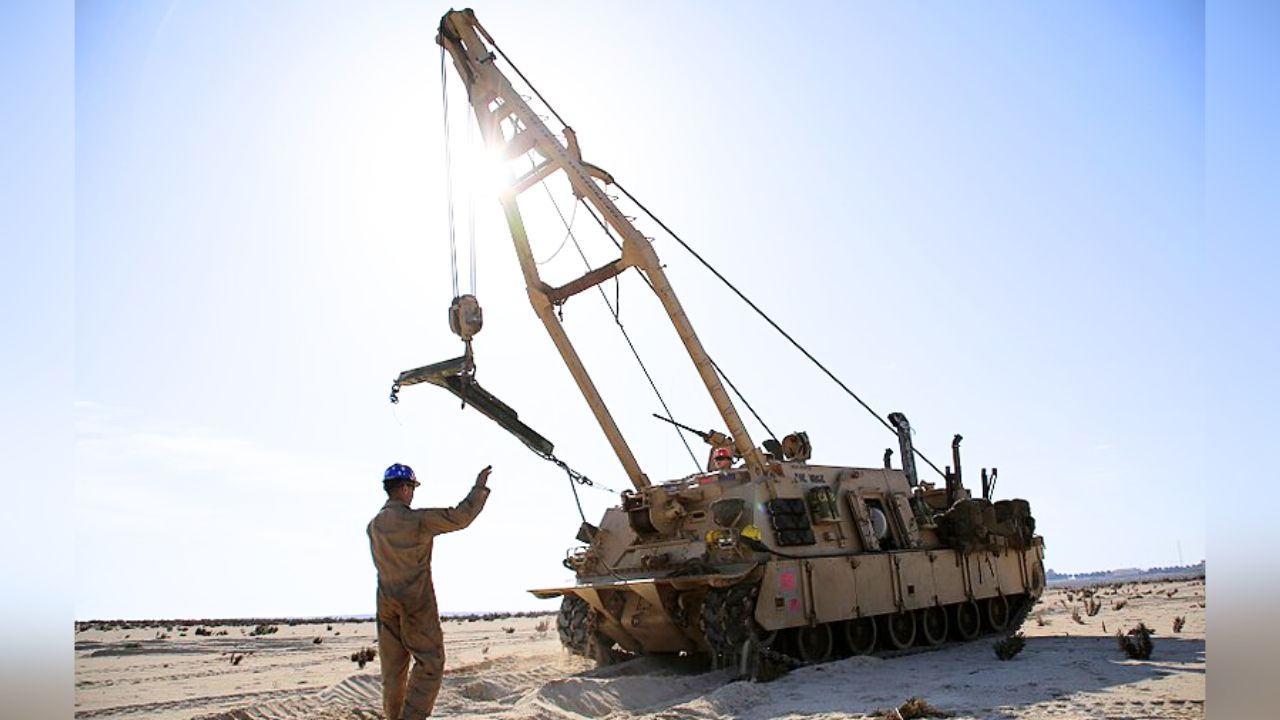
The M88A2 Hercules is a marvel of military engineering, designed to perform the crucial task of recovering and repairing tanks on the battlefield. Known for its robustness and versatility, the M88A2 plays a pivotal role in ensuring armored units remain operational in the most challenging conditions. Delve into the fascinating world of the M88A2 Hercules, exploring its design, capabilities, and the vital role it plays in modern military operations.
Design and Development
The origins of the M88 series date back to the early 1960s, with the introduction of the M88 Recovery Vehicle by BMY, later United Defense, and now part of BAE Systems. Initially designed to support the M48 and M60 Patton tanks, the M88 series has undergone numerous upgrades to meet the evolving demands of battlefield recovery. The M88A2 Hercules, introduced in the late 1990s, represents a significant leap forward, boasting enhanced power, durability, and recovery capabilities compared to its predecessors.
Among the standout features of the M88A2 is its engine, a 1050-horsepower AVDS-1790-8CR diesel engine, which provides the necessary muscle to tackle the arduous task of tank recovery. The vehicle’s armor protection has been upgraded to withstand small arms fire and artillery shell splinters, ensuring the safety of its crew during recovery operations. Onboard equipment includes a 35-ton main winch, a 3-ton auxiliary winch, and a 70-ton boom, making it capable of lifting and towing the heaviest of armored vehicles.
The design philosophy behind the M88A2 emphasizes reliability and ease of maintenance, crucial for operations in diverse combat scenarios. Its modular design allows for quick repairs and adaptations on the field, while the vehicle’s robustness ensures minimal breakdowns during crucial operations. This focus on adaptability and durability allows the M88A2 to perform in a variety of environments, from harsh desert landscapes to urban conflict zones.
Capabilities and Features
The primary function of the M88A2 Hercules is recovery operations, a task it performs with unmatched efficiency. Equipped with a main winch that boasts a pulling capacity of 140,000 pounds, the M88A2 can recover even the most heavily armored tanks from challenging positions. Its towing capabilities allow it to transport disabled vehicles back to safe zones, where they can be repaired and returned to battle. The vehicle’s boom can lift turrets from tanks, enabling more extensive repairs in the field.
In addition to recovery, the M88A2 is outfitted with tools and equipment to perform on-site repairs and maintenance. The vehicle carries welding gear, cutting torches, and various hand tools, allowing crews to conduct field expedient repairs that can make the difference between victory and defeat. This comprehensive support extends the operational life of armored vehicles, minimizing downtime and ensuring that units remain combat-ready.
One of the M88A2’s key strengths is its versatility. Designed to operate in diverse environments, it can navigate rugged terrains and urban landscapes with equal proficiency. This adaptability is crucial in modern warfare, where battlefields can vary drastically, and the ability to respond quickly to changing conditions is paramount. Whether maneuvering through mountainous regions or tight city streets, the M88A2 remains a reliable asset to any armored unit.
Role in Military Operations
The M88A2 Hercules plays a crucial role in enhancing the longevity of armored units. By providing rapid recovery and repair services, it ensures that tanks and other armored vehicles spend less time out of action, thereby maximizing their availability for operations. This capability is essential for maintaining the momentum of military campaigns, as prolonged downtime can disrupt strategic initiatives and compromise mission success.
In tactical terms, recovery vehicles like the M88A2 are indispensable for maintaining the pace and effectiveness of military operations. They allow for the swift retrieval of damaged equipment, minimizing the risk of enemy capture or destruction. The M88A2’s contributions to operational readiness can be seen in conflicts such as the Iraq War, where recovery vehicles were vital in keeping armored units operational under challenging conditions.
Training and crew proficiency are critical to the effective deployment of the M88A2. Operators undergo rigorous training to master the vehicle’s complex systems and recovery techniques. Skilled crews are adept at improvising solutions in the field, enhancing the M88A2’s effectiveness and ensuring that missions proceed smoothly. The expertise of these crews is a testament to the importance of human skill in complementing advanced technology.

Comparative Analysis
When compared to other recovery vehicles like the German Bergepanzer or the British Challenger Armored Repair and Recovery Vehicle, the M88A2 stands out for its combination of power, versatility, and reliability. While each recovery vehicle has its strengths, the M88A2’s ability to perform multiple recovery tasks with minimal crew and equipment makes it particularly valuable in fast-paced combat scenarios.
The M88A2 has proven its worth in various combat situations, from Operation Iraqi Freedom to more recent deployments in Afghanistan. In these operations, the vehicle’s performance has been consistently praised for its ability to handle the rigors of modern warfare, ensuring that armored units remain a formidable presence on the battlefield. Its capacity to recover and repair under fire has often been a key factor in maintaining operational momentum.
Looking to the future, the M88A2 is likely to undergo further upgrades to enhance its capabilities. Potential advancements could include improved armor protection, more efficient power plants, and integrated technology for better diagnostics and repairs. These enhancements will ensure that the M88A2 remains a cornerstone of recovery operations for years to come, adapting to new challenges and threats as they arise.
Challenges and Innovations
In contemporary warfare, the M88A2 faces a range of challenges, including the threat of improvised explosive devices (IEDs) and advanced enemy tactics. These modern threats necessitate constant vigilance and adaptation to ensure the vehicle’s continued effectiveness and crew safety. Addressing these challenges requires ongoing innovation in armor protection and countermeasure systems.
Technological advancements offer promising avenues for enhancing the M88A2’s effectiveness. Integrating cutting-edge sensors and communication systems could improve situational awareness, while advancements in robotics and automation might streamline recovery operations. These innovations will not only enhance the M88A2’s performance but also ensure its relevance in an ever-evolving battlefield landscape.
Logistical considerations are equally important in deploying and maintaining the M88A2. The vehicle’s size and weight require careful planning for transportation and support, particularly in remote or hostile environments. Ensuring a steady supply of parts and skilled personnel is crucial for sustaining operations, highlighting the importance of comprehensive logistical strategies in maximizing the M88A2’s potential.