
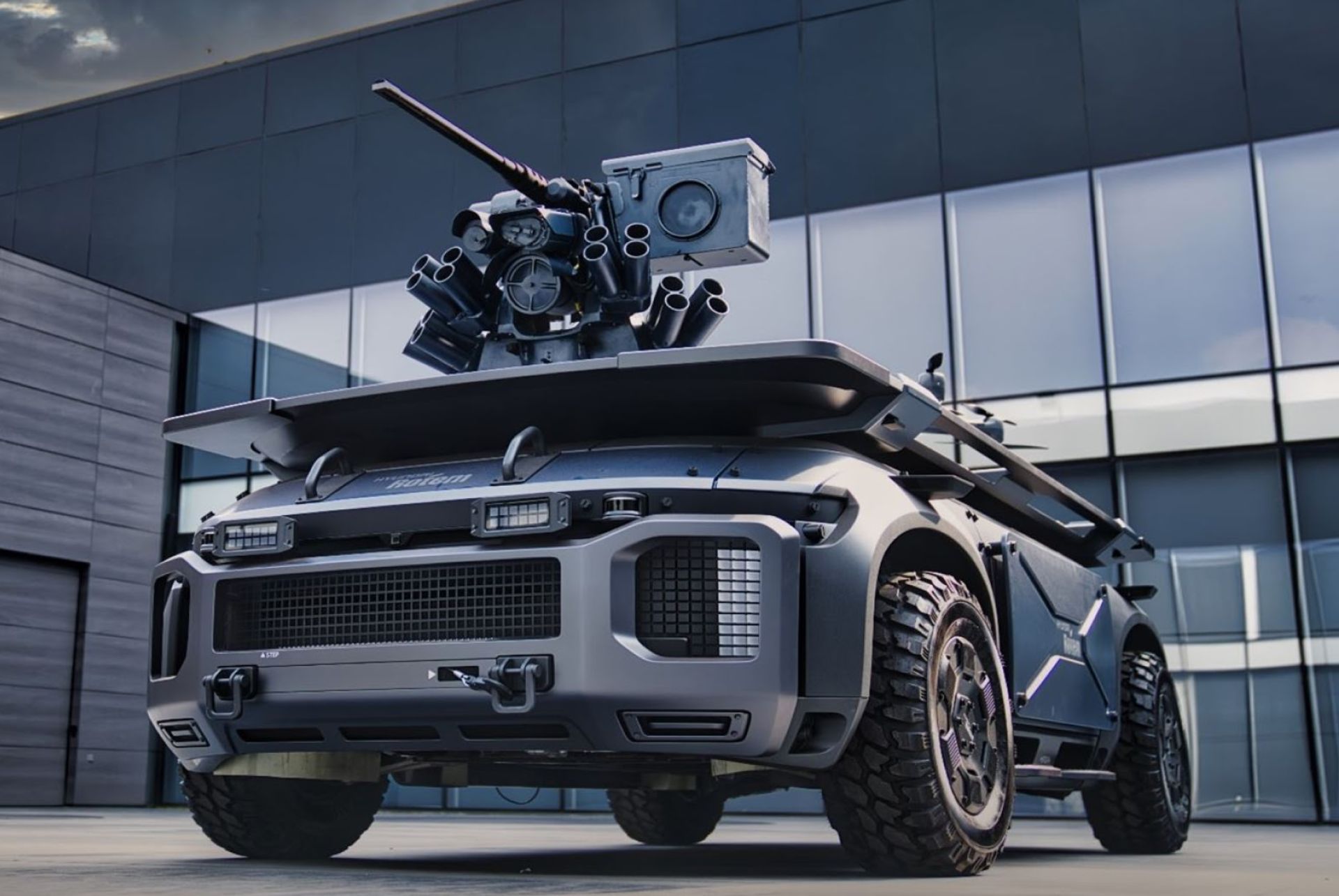
Hyundai’s new hydrogen-powered Black Veil vehicle is poised to revolutionize modern warfare by providing a sustainable and efficient alternative to traditional military vehicles. This cutting-edge technology promises enhanced performance on the battlefield while addressing environmental concerns. As nations seek both tactical advantages and sustainable solutions, Hyundai’s innovation could play a crucial role in future military strategies.
The Genesis of Black Veil
The origins of Hyundai’s Black Veil vehicle can be traced back to the company’s pioneering efforts in hydrogen technology, which began several years ago with the goal of creating eco-friendly transportation solutions. Hyundai has been a leader in hydrogen fuel cell technology since the early 2000s, with models like the Hyundai Nexo setting benchmarks in the consumer market. These advancements laid the groundwork for their venture into military applications, aiming to combine sustainability with enhanced battlefield capabilities.
Strategic partnerships have been crucial in the development of the Black Veil. Collaborations with defense organizations and technological partners have ensured that the vehicle meets the rigorous demands of military operations. By working alongside defense contractors and research institutions, Hyundai has been able to integrate cutting-edge technology into the Black Veil, ensuring it is not only effective but also reliable under combat conditions.
Hyundai envisions a future where hydrogen-powered vehicles are a staple in military operations worldwide. The company’s long-term goals include expanding their hydrogen technology beyond the Black Veil, integrating it into a broader range of military applications. By doing so, Hyundai aims to set new standards for efficiency and environmental responsibility in defense sectors globally.
Technological Advancements
At the heart of the Black Veil’s innovation is its hydrogen fuel cell technology. Unlike traditional combustion engines, hydrogen fuel cells produce electricity through a chemical reaction between hydrogen and oxygen, emitting only water vapor as a byproduct. This not only makes the vehicle environmentally friendly but also provides a quieter operation, which can be a significant tactical advantage in stealth missions.
The Black Veil is equipped with advanced autonomous driving features, allowing it to navigate complex terrains without direct human intervention. This capability can transform battlefield strategies by reducing the need for personnel in high-risk environments and enabling new tactical maneuvers that were not possible with manned vehicles. The integration of artificial intelligence and machine learning further enhances its ability to adapt to changing conditions on the fly.
Moreover, the Black Veil is designed for enhanced durability and performance. It boasts a robust chassis and advanced suspension systems that enable it to withstand harsh conditions and operate effectively across various terrains. Its superior performance metrics, including speed and range, ensure that it can meet the demanding requirements of modern military operations.
Environmental and Economic Impacts
The shift towards hydrogen-powered vehicles like the Black Veil offers significant environmental benefits. By reducing reliance on fossil fuels, these vehicles dramatically cut down the carbon footprint associated with military operations. This is particularly crucial as countries worldwide strive to meet international emissions targets and reduce environmental impact.
From an economic perspective, the use of hydrogen technology in military vehicles can lead to substantial savings. Hydrogen is more abundant and can be produced domestically, reducing dependency on imported fuels. Additionally, the maintenance costs of hydrogen fuel cell vehicles are generally lower compared to traditional combustion engines, which can result in long-term savings for military budgets.
The lifecycle sustainability of hydrogen vehicles is another important consideration. From production through disposal, hydrogen vehicles are designed to be more sustainable than their conventional counterparts. This includes the use of recyclable materials and a focus on reducing waste throughout the vehicle’s lifecycle, aligning with global efforts towards circular economies.
Strategic and Tactical Advantages
The Black Veil offers several strategic advantages on the battlefield, starting with its stealth and mobility. The quiet operation of hydrogen fuel cells means that the vehicle can move more discreetly, reducing the chance of detection by enemy forces. This stealth capability is complemented by the vehicle’s enhanced mobility, allowing it to access hard-to-reach areas and execute tactical maneuvers with greater flexibility.
Rapid deployment capabilities are another key feature of the Black Veil. Its design enables quick and efficient transport of troops and equipment across diverse terrains, from deserts to mountainous regions. This rapid mobility can be a game-changer in military operations, providing commanders with the ability to reposition forces swiftly and respond to evolving battlefield scenarios.
Advanced communication systems integrated into the Black Veil enhance its operational effectiveness. These systems allow for improved coordination between units, ensuring that forces can communicate efficiently even in challenging environments. The integration of secure communication technologies also mitigates the risk of interception, providing a tactical edge in information warfare.
Challenges and Criticisms
Despite its many advantages, the Black Veil faces several challenges, particularly regarding infrastructure. The current lack of widespread hydrogen refueling stations poses a significant hurdle for the vehicle’s deployment in remote or hostile areas. Establishing a robust refueling infrastructure is essential for the practical implementation of hydrogen vehicles in military operations.
Security concerns also need to be addressed, especially regarding hydrogen storage and vehicle cybersecurity. The highly flammable nature of hydrogen requires stringent safety measures to prevent accidents during storage and refueling. Additionally, the vehicle’s advanced technological systems may be vulnerable to hacking, necessitating robust cybersecurity protocols to protect against potential threats.
There is also skepticism within the military and industry about the widespread adoption of hydrogen vehicles. Concerns about the initial costs of transitioning to hydrogen technology and doubts about its long-term viability in defense applications persist. However, as technology advances and infrastructure improves, these concerns may diminish, paving the way for a broader acceptance of hydrogen-powered military vehicles.